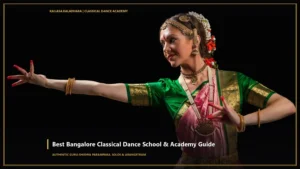
By mid-November, the early morning chill across South Bangalore brings a distinct rhythm to our dance studios. In Jayanagar and HSR Layout, tanpuras begin humming earlier. Leather straps are inspected for loose brass bells, and rehearsal rooms carry the faint scent of fresh camphor and eucalyptus. The Tamil month of Margazhi—celebrated across Karnataka as Dhanurmasam—is here, representing the undisputed high-water mark of South Indian classical performing arts.
While Chennai’s Mylapore remains a historic epicenter, Bangalore’s own winter festival circuit has matured into a fiercely dedicated platform. Stepping onto a winter sabha stage requires physical stamina, musical sharpness, and smart repertoire planning.
1. The Bangalore–Chennai Performance Axis
Bangalore artists no longer treat the winter season as a passive spectator trip. Historic institutions like The Bangalore Gayana Samaja on KR Road and Chowdiah Memorial Hall in Malleshwaram, alongside intimate sabha baithaks in BTM, Jayanagar 9th Block, and HSR Layout, host packed auditoriums of knowledgeable rasikas.
Many Bangalore soloists now manage a demanding hybrid schedule: catching early morning trains to Chennai for mid-day slots at Narada Gana Sabha or the Music Academy mini-hall, then returning mid-week for curated local recitals. Because winter audiences in both cities include senior gurus and critics, performances demand far greater polish than regular school showcases.
2. Repertoire Pacing: The 60-Minute Sabha Slot
The most frequent misstep young soloists make during Margazhi is over-programming. When granted a prestigious 45-to-60-minute festival slot, the temptation is to pack in every technically difficult item in your notebook. Rushing through a 30-minute Varnam often exhausts your stamina, leaving your facial expressions strained by the time you reach the Padam.
Experienced gurus pace festival recitals with architectural balance:
- Dynamic Opener (6–8 mins): A crisp Mallari or Alarippu in Khandam or Misram to command the stage.
- The Anchor Piece (22–26 mins): A Varnam prioritizing rhythmic clarity and emotional depth over frantic speed.
- Emotional Repose (10–12 mins): A quiet Padam, Javali, or Devaranama where subtle abhinaya can breathe.
- Rhythmic Climax (8–10 mins): A melodic Tillana with clean, celebratory sculptures.
- Mangalam (2 mins): Respectful closure.
Prioritize footwork precision over breakneck tempo. Close-quarter sabha lighting clearly exposes whether your heels strike cleanly on the thattu and whether your fingers hold a sharp Tripataka. Clean geometry always triumphs over rushed movement.
3. Rehearsing with a Live Ensemble
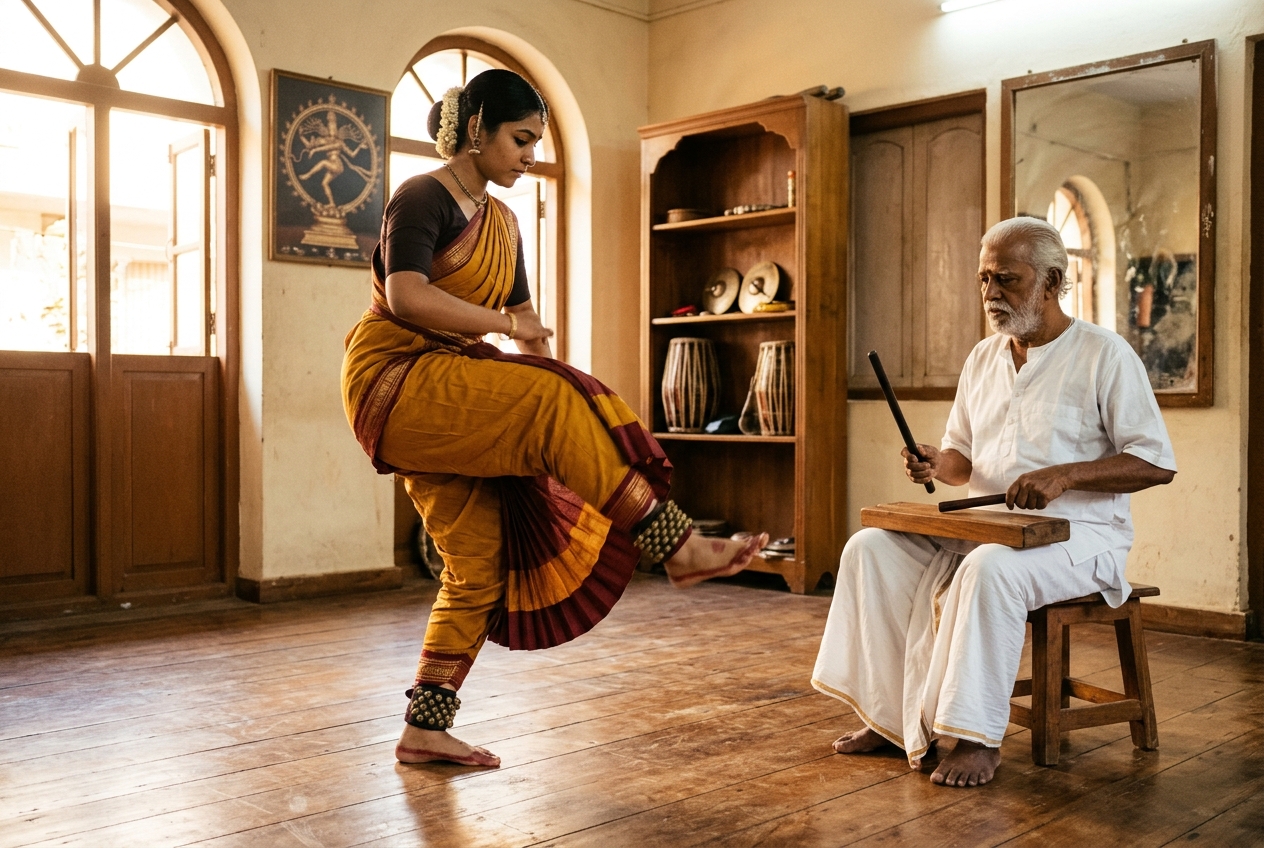
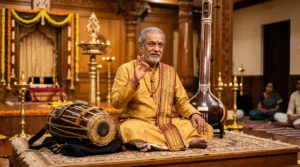
While pre-recorded tracks suit student competitions, performing to recorded audio on a winter sabha platform flattens the energy of the auditorium. The soul of classical dance lies in spontaneous musical dialogue:
- Peripheral Eye Contact with the Nattuvanar: Keep your peripheral vision aligned with the thattukazhi (wooden clapping block). When the rhythm conductor feels your breath, they hold or propel the tempo naturally.
- Locking with the Mridangam: A skilled percussionist shades your footwork. Spend dedicated studio time isolating adavu sequences with only the mridangam. Ensure your heel strikes exactly on the samam as the bass thoppi resonates.
- Catching the Vocalist’s Pickup (Edippu): Know the exact syllable where the singer breathes. Finishing a theermanam late delays the vocal pickup on the pallavi, breaking the spell of the raga.
- Cracked Heel Prevention: Frequent applications of Alta (red dye) combined with dry winter winds can crack heel rims. Soak feet nightly in warm salt water, massage with cold-pressed sesame oil, and wear cotton socks to sleep.
- Throat Protection for Jathis: If reciting solkattu, South Bangalore evening dust can irritate the vocal cords. Drink warm water infused with dry ginger (sukku) and black pepper rather than commercial lozenges that numb the throat without reducing inflammation.
4. Winter Care for Joints and Voice
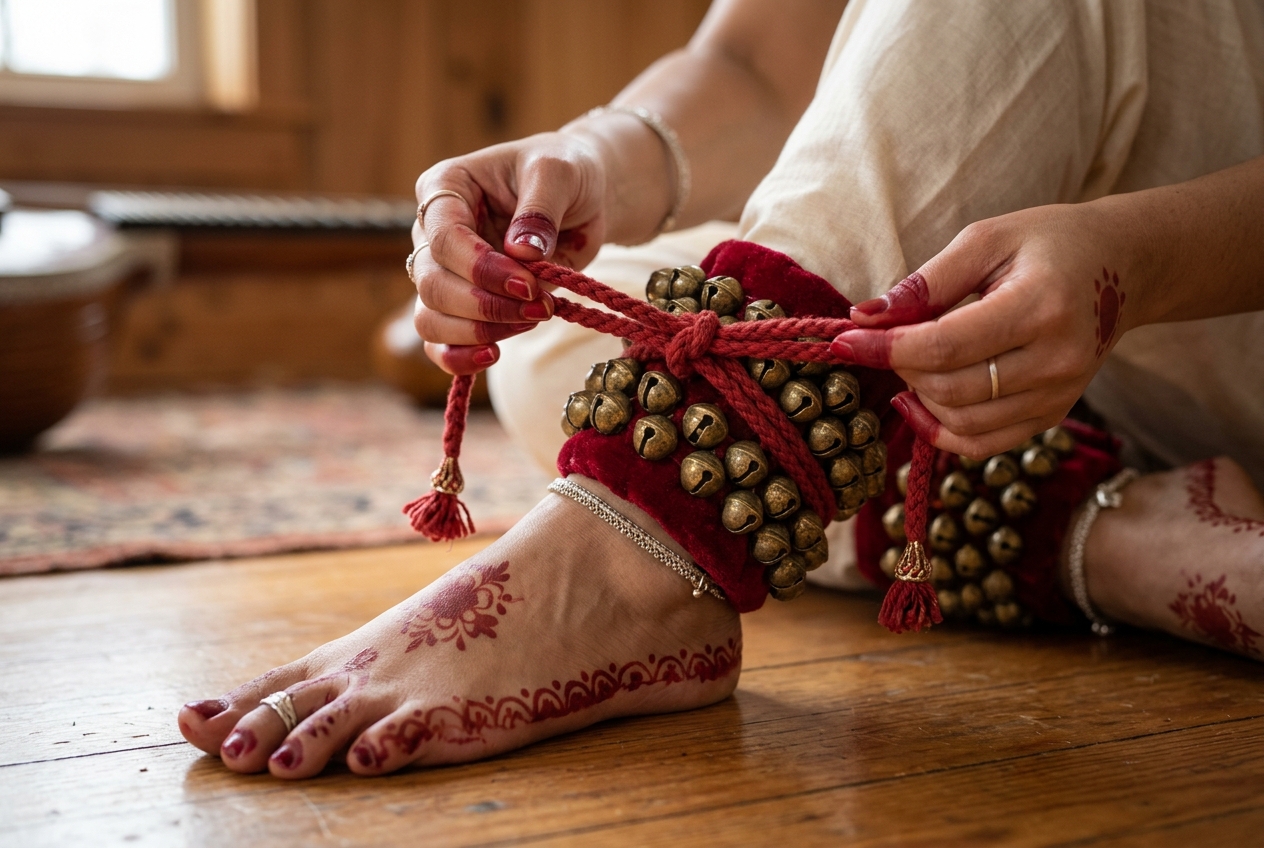
Bangalore winters are dry, windy, and crisp—weather that creates specific physical challenges for dancers:
The Cold-Floor Rule: Never step straight into deep Aramandi on cold studio floors without a 15-minute mobility sequence. Cold Achilles tendons and stiff plantar fascia risk heel spurs. Begin with slow hip openers, ankle circles, and spinal waves before tying your bells.
5. Professional Preparation at Kailasa Kaladhara
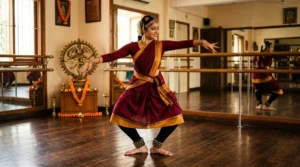
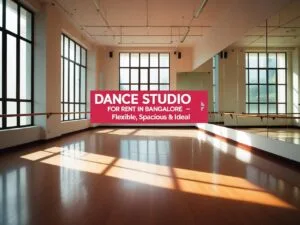
A memorable Margazhi recital is built across months of focused studio practice. At Kailasa Kaladhara’s HSR Layout Academy, our dance floors feature sprung wooden subfloors that absorb foot-strike shock, balanced room acoustics for live ensemble rehearsals, and full-span mirrors to refine alignment.
Whether preparing for your sabha debut or refining an established Margam, make every rehearsal count.
Looking for dedicated rehearsal space with professional sprung wooden dance floors and live ensemble acoustics in South Bangalore? Visit Kailasa Kaladhara Studio Rentals or explore our HSR Layout Arts Center.