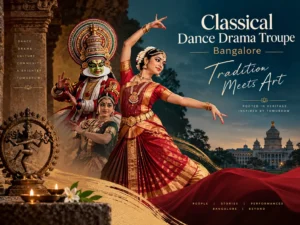
Contemporary dance form has emerged as a captivating expression of movement, blending traditional techniques with innovative choreography to reflect modern artistic sensibilities. This blog dives into the essence of contemporary dance, its evolution, and the key elements that make it a unique and powerful medium of artistic communication. For those intrigued by contemporary dance form, the exploration will reveal insightful perspectives on dance innovation and expressive dance practices.
How Did Contemporary Dance Form Come Into Existence?
The roots of contemporary dance trace back to the early 20th century when pioneers like Martha Graham and Merce Cunningham challenged the rigid boundaries of classical ballet. Their revolutionary approaches laid the foundation for what is known today as contemporary dance. Unlike traditional dances, contemporary emphasizes freedom of movement and emotional expression, incorporating elements from various styles, including modern choreography.
The Core Elements Defining Contemporary Dance
Contemporary dance form is characterized by its fluidity, versatility, and emphasis on expression. Key features include:
- Use of floor work and improvisation techniques
- Fusion of ballet, modern, jazz, and other styles
- Focus on natural body movements and gravity
- Emotional storytelling through gestures and posture
- Innovative choreography breaking traditional patterns
This rich blend enables dancers to convey complex emotions and abstract ideas, creating impactful performances.
What Role Does Modern Choreography Play in Contemporary Dance?
Modern choreography serves as the backbone of contemporary dance form, allowing choreographers to explore new movement vocabularies. Through innovative patterns and techniques, choreographers like Pina Bausch and Anne Teresa De Keersmaeker have expanded the dance vocabulary, making it more inclusive and expressive. Their work illustrates how contemporary dance embraces creative freedom while maintaining structural integrity.
Expressive Dance as a Form of Emotional Release
Expressive dance in contemporary styles allows performers to connect deeply with their feelings, using their bodies as instruments of communication. Research shows that expressive dance can enhance emotional well-being, reduce stress, and foster creativity. This connection to emotion distinguishes contemporary dance, making each performance a unique artistic statement.
How Has Dance Innovation Transformed Contemporary Dance Over Time?
Dance innovation continuously shapes the contemporary dance form by integrating technology, multimedia elements, and cross-disciplinary collaborations with theater and visual arts. Innovations such as digital projections and interactive stage designs have expanded the possibilities for storytelling and audience engagement, marking a new era in contemporary performances.
Training and Techniques Behind Mastering Contemporary Dance
To excel in contemporary dance form, dancers undergo rigorous training focusing on strength, flexibility, and body awareness. Techniques from Graham, Cunningham, and Limon are often taught alongside improvisational exercises to develop both technical skill and creative exploration. Many dancers benefit from attending workshops or enrolling in courses that emphasize a holistic approach to modern choreography.
The Global Impact and Popularity of Contemporary Dance
Today, contemporary dance form enjoys worldwide popularity, with festivals, performances, and dance schools dedicated to its practice. According to recent analytics, the global contemporary dance scene has been growing steadily, reflecting society’s increasing interest in diverse and innovative art forms. The accessibility of contemporary dance helps artists from different backgrounds to bring fresh perspectives, enriching the dance community.
What Makes Contemporary Dance Different from Classical Ballet?
While classical ballet is known for its strict techniques and codified movements, contemporary dance form thrives on flexibility and experimentation. Ballet’s verticality contrasts with contemporary’s utilization of the floor and off-center balances. These differences highlight the creative freedom in contemporary dance, prioritizing expression over formality, appealing to larger audiences and contemporary artists alike.
Exploring The Role of Music and Rhythm in Contemporary Dance
Music selection in contemporary dance often breaks away from traditional rhythms to incorporate eclectic soundscapes, including electronic music, ambient sounds, and silence. This musical diversity complements innovative choreography by setting moods and enhancing the storytelling element. Dancers learn to adapt their movements intuitively, making the interaction between music and dance fluid and dynamic.
The Future of Contemporary Dance: Trends and Expectations
Looking ahead, contemporary dance form is expected to embrace more interdisciplinary approaches and digital influences. Emerging choreographers are experimenting with virtual reality, AI-generated choreography, and global fusion styles to redefine boundaries. For those interested in keeping up with latest modern choreography developments, following innovative dance communities and attending performances is invaluable.
In conclusion, the contemporary dance form continues to evolve, captivating audiences with its blend of technique, emotion, and innovation. Kailasakaladhara stands as a beacon for those passionate about dance, offering insights and opportunities to explore this dynamic art. For more inspiration and guidance, consider contacting the school via their contact us page and discover how you can be part of this vibrant artistic movement.
FAQs
- What is contemporary dance form? Contemporary dance is an expressive style that combines elements from classical ballet and modern dance to create innovative movement.
- Who pioneered contemporary dance? Important pioneers include Martha Graham and Merce Cunningham.
- Can beginners learn contemporary dance? Yes, with proper training and practice, beginners can learn foundational contemporary dance techniques.
- How does contemporary dance differ from ballet? Contemporary dance is more fluid and expressive, while ballet follows strict techniques and postures.
- What benefits does expressive dance provide? It promotes emotional release, creativity, and physical fitness.