Yoga poses form the backbone of any yoga routine, offering something valuable for every practitioner, whether you’re just starting or looking to deepen your practice. This article explores various yoga postures designed to improve flexibility, bring calm, and guide beginners into this holistic discipline. For those eager to understand more or start practicing, exploring yoga poses can open a door to wellness.
Exploring Yoga Poses for All Levels
Yoga consists of thousands of poses, but some key postures stand out for their effectiveness and beginner friendliness. Flexibility, strength, and mental calmness are common goals achieved through consistent practice of selected moves.
What yoga poses are best for beginners?
Beginners should focus on foundational postures that are gentle yet impactful. Among the most recommended poses are:
- Mountain Pose (Tadasana) – establishes grounding and posture alignment.
- Downward Dog (Adho Mukha Svanasana) – stretches the entire body and eases tension.
- Child’s Pose (Balasana) – promotes relaxation and gentle stretching.
- Cat-Cow Pose (Marjaryasana-Bitilasana) – enhances spine flexibility.
- Warrior I and II (Virabhadrasana) – build strength and balance.
These poses create a foundation for increasing flexibility and preparing for more complex sequences.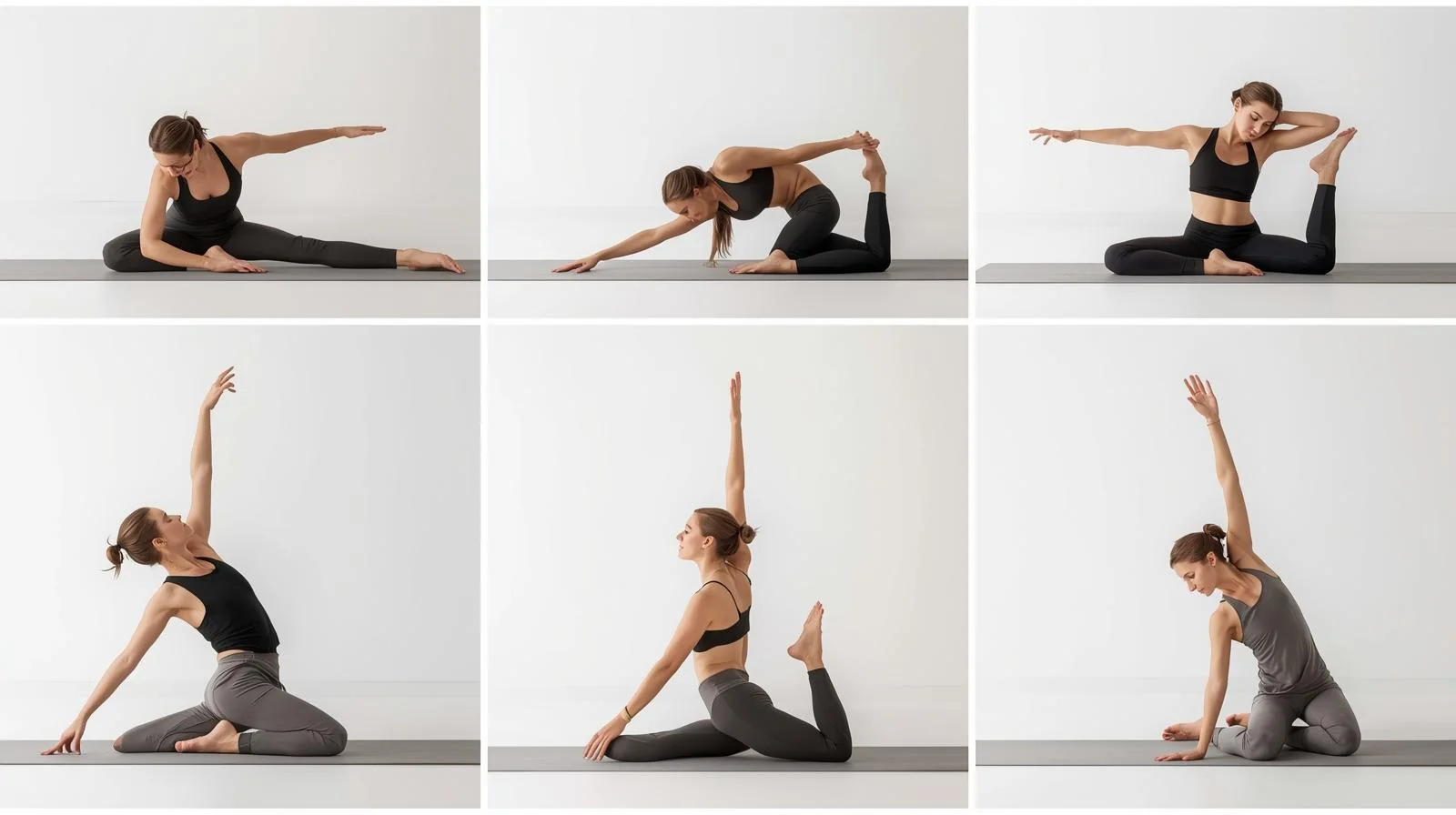
The Role of Yoga Poses in Enhancing Flexibility
Flexibility isn’t just about being able to touch your toes; it involves the health of muscles, tendons, and joints. Studies show that regular yoga practice improves range of motion and decreases injury risk. By integrating dynamic stretches in poses like the Forward Fold or Cobra Pose, practitioners experience gradual loosening of stiff muscles and improved mobility.
How can yoga poses promote relaxation effectively?
Yoga also serves as a powerful tool for relaxation by activating the parasympathetic nervous system. Poses such as Legs-Up-The-Wall (Viparita Karani) and Savasana (Corpse Pose) help lower heart rate and calm the mind. Incorporating breathing exercises and meditation with these postures elevates their calming effects, which is backed by neuroscientific research linking yoga to stress reduction.
Integrating Breath Work with Yoga Poses
Pranayama, or breath control, is essential in yoga. Synchronizing breath with movements enhances posture effectiveness, focus, and endurance. Techniques like Ujjayi breathing during poses not only improve oxygen flow but also elevate concentration and energy levels throughout the session.
Historical Perspectives: Who Invented Yoga Poses?
The roots of yoga trace back over 5,000 years to ancient India. Patanjali, often called the ‘father of yoga,’ compiled the Yoga Sutras around 200 BC, providing a philosophy around asanas (poses) practice. The modern system we know today evolved through teachers like T. Krishnamacharya, who introduced postural sequences emphasizing health and fitness.
Comparing Beginner Yoga Poses and Advanced Postures
| Aspect | Beginner Poses | Advanced Poses |
|---|---|---|
| Flexibility Required | Low to moderate | High |
| Balance Challenge | Fundamental | Complex |
| Strength Needed | Moderate | Affluent |
| Mental Focus | Basic concentration | High mindfulness |
| Common Goals | Foundation & relaxation | Strength & flexibility |
The Importance of Consistency in Yoga Practice
Consistency is key to experiencing lasting benefits from yoga poses. Daily or several-times-weekly practice facilitates muscle memory, stress relief, and enhanced wellbeing. Even 10-15 minutes a day can usher in improvements in posture, mood, and energy.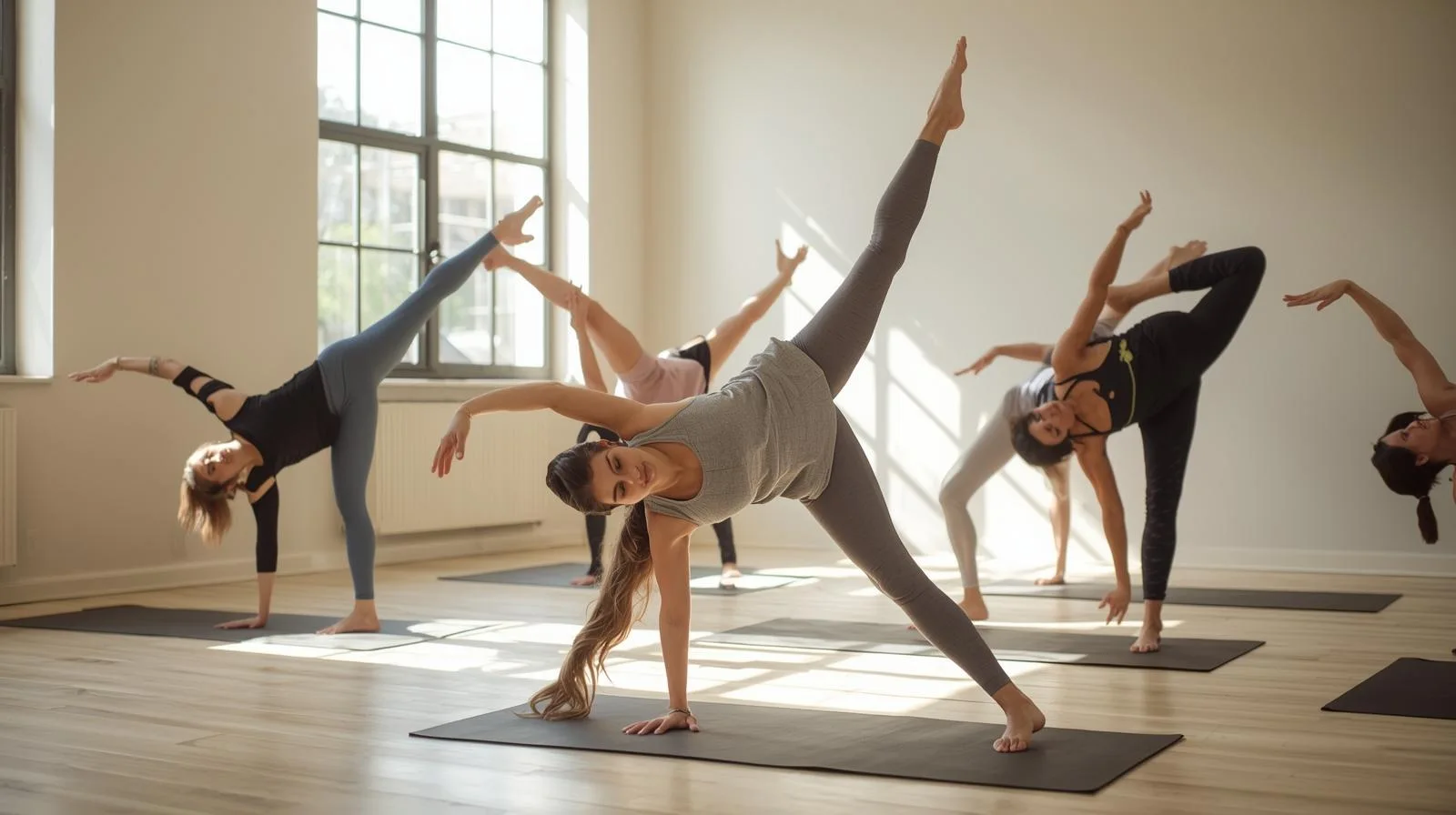
How to Choose the Right Yoga Poses for Your Needs?
Choosing poses depends on individual goals such as improving flexibility, easing stress, or strengthening muscles. Beginners should select gentle poses offering safety and learning opportunities. Attending classes, either online or in person, or following guided sessions can tailor practice suitably. This ensures steady growth and reduces injury risk.
Tips for Practicing Yoga Poses Safely and Effectively
- Warm up gently before starting your sequence.
- Listen to your body; never push into pain.
- Use props like blocks or straps to assist poses.
- Maintain steady, controlled breathing.
- Practice on non-slip surfaces in a calm environment.
Many practitioners find their routine enriched by following expert instructors who share insights and modifications.
On a concluding note, mastering yoga poses unlocks benefits across physical and mental health. For anyone embarking on this journey, Kailasakaladhara offers a supportive community and resources to deepen understanding and skill. Visit the contact us page to start your path toward greater flexibility and relaxation today.
FAQs
- What are the easiest yoga poses for beginners? Mountain, Child’s Pose, and Downward Dog are excellent starting points.
- Can yoga improve flexibility quickly? Consistent daily practice leads to noticeable flexibility improvements in weeks.
- Which yoga poses help to reduce stress? Legs-Up-The-Wall and Savasana are highly effective for calming anxiety.
- How often should I practice yoga poses? Ideally, practice 3-5 times a week for best health benefits.
- Do yoga poses require special equipment? Generally, a yoga mat suffices; props like blocks enhance accessibility.