How to make madhubani painting is a question many art enthusiasts and beginners ask when they want to explore this vibrant, traditional Indian art form. This blog will take you through the fascinating journey of creating a beautiful Madhubani painting, incorporating traditional how to make madhubani painting techniques, materials, and a step by step Madhubani painting guide to get you started with confidence.
Understanding the Origins and Significance
The distinctive Madhubani style, also known as Mithila painting, traces back to the Mithila region of Bihar, India. It was traditionally practiced by women to decorate their homes on festive occasions and special events. The art form gained international attention in the 20th century, especially through the efforts of artists like Sita Devi, often considered the modern pioneer who helped bring Madhubani art to the global stage.
What Are the Key Materials Used in Madhubani Art?
Unlike many modern art forms, Madhubani paintings rely on natural and eco-friendly materials which enhance their authenticity and charm. When assembling your painting supplies, consider these essentials:
- Handmade paper, cloth, or walls as canvas
- Natural dyes and pigments derived from flowers, turmeric, soot, and minerals
- Bamboo sticks, fine brushes, or even twigs for drawing detailed lines
- Black ink made traditionally from soot
Using authentic Madhubani art materials ensures that your artwork maintains the traditional texture and vibrancy.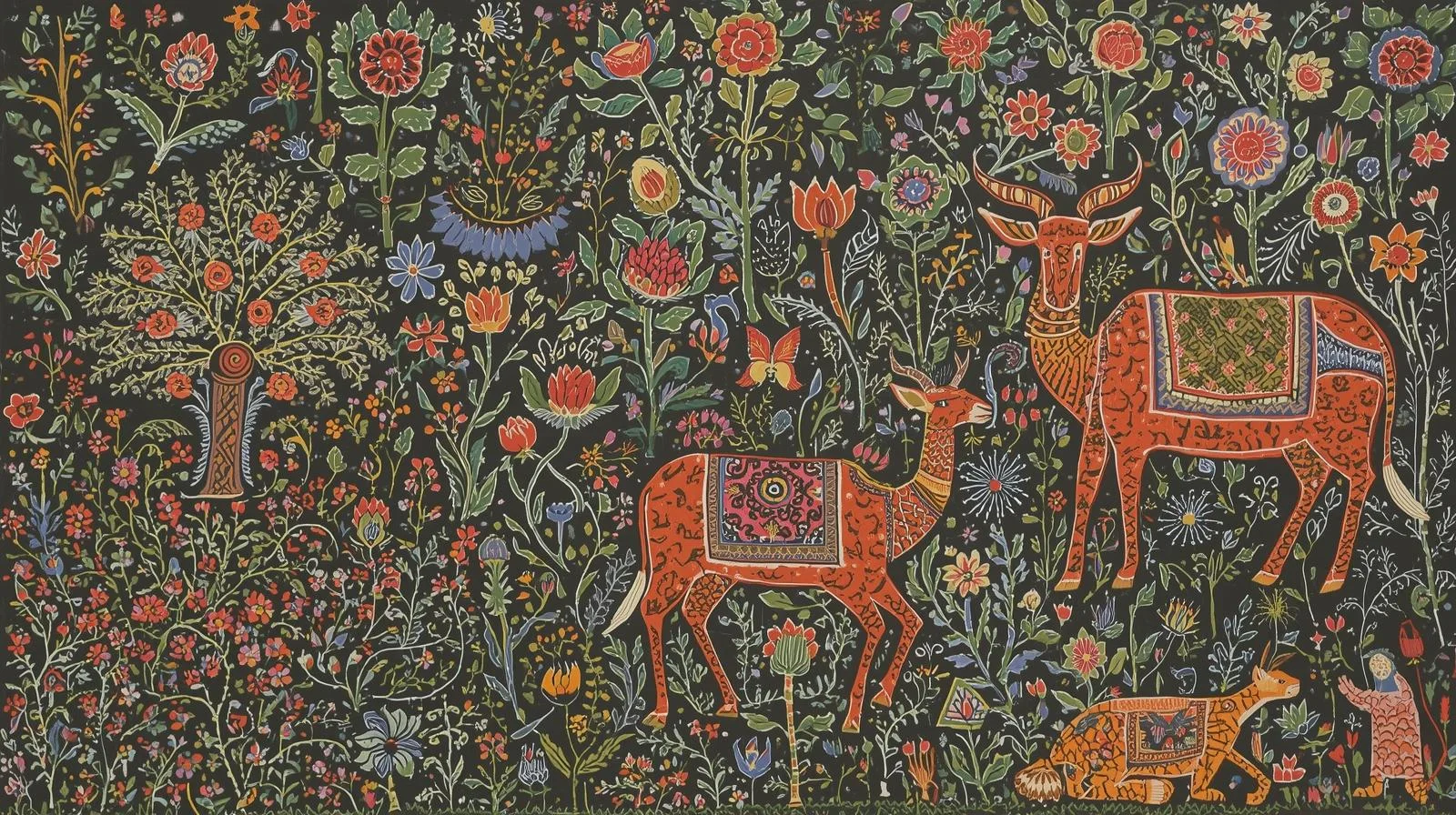
Common Madhubani Painting Techniques Explained
The hallmark of Madhubani art lies in its intricate patterns and vibrant color use. Artists employ several techniques which include:
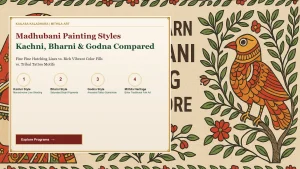
- Line drawing: Bold outlines in black ink define figures and motifs.
- Double-line technique: Two parallel lines are drawn with adornments like dots or small floral motifs.
- Filling: Patterns like cross-hatching or dots fill empty spaces to give depth.
Combining these Madhubani painting techniques creates the striking details that make this art form unique.
Step by Step Madhubani Painting Guide for Beginners
Ready to create your first Madhubani painting? Follow this stepwise approach to begin your artistic journey:
- Step 1: Choose your canvas and prepare it by smoothing the surface.
- Step 2: Sketch your main design lightly with a pencil.
- Step 3: Use black ink or paint with bamboo sticks or fine brushes to outline your drawing.
- Step 4: Fill the areas with natural colors, sticking to bright reds, yellows, greens, and blues.
- Step 5: Add fine decorative patterns such as floral motifs or geometric shapes.
- Step 6: Let the painting dry completely before displaying.
This step by step Madhubani painting method is a simplified version that ensures a beautiful result, even for amateurs.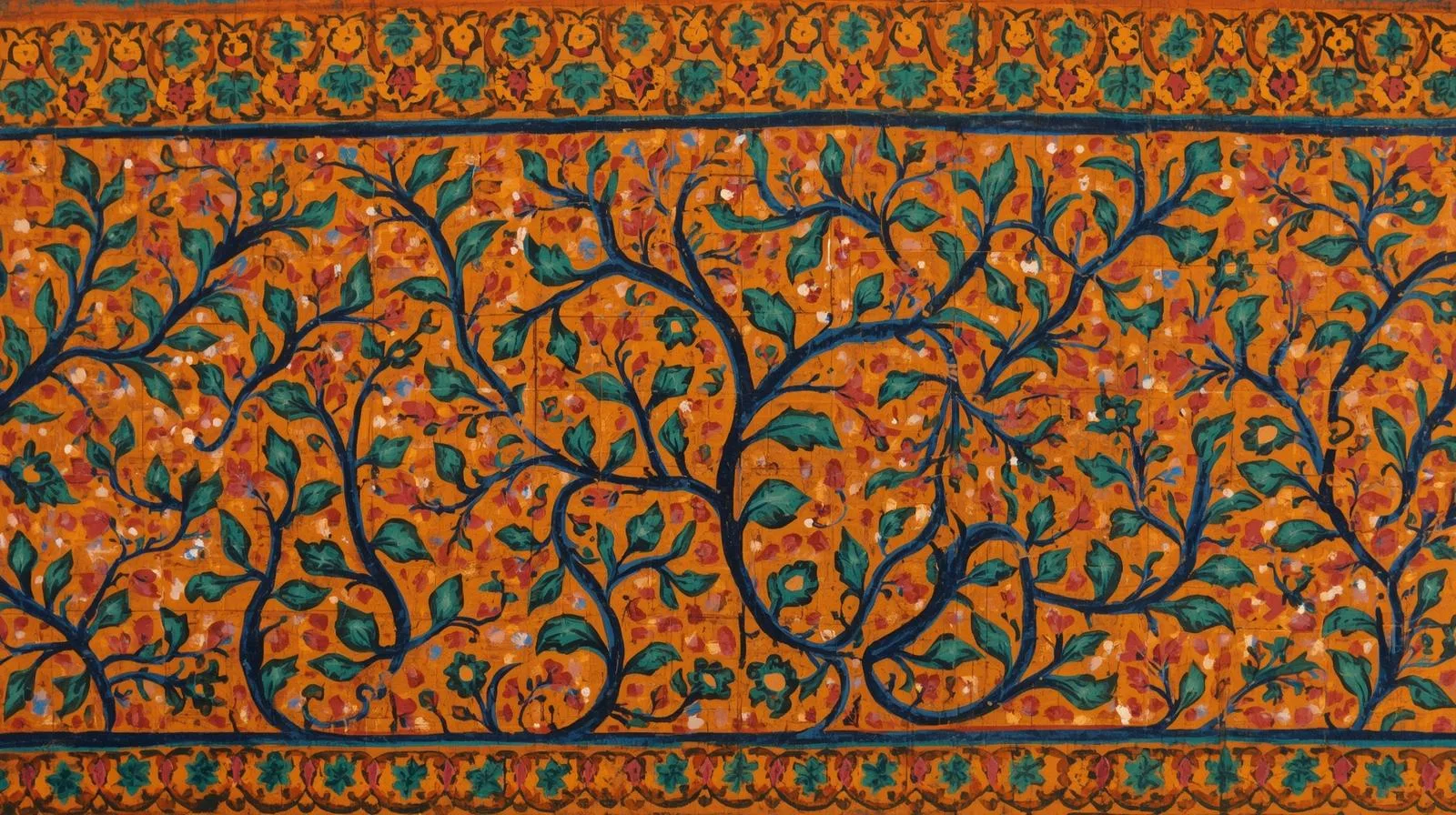
Which Themes Are Most Popular in Madhubani Paintings?
Madhubani art traditionally reflects Hindu mythological themes including gods, goddesses, and epic scenes. Depictions of nature, such as birds, fishes, and the sun, symbolize prosperity and fertility. Recently, artists have expanded themes to include social issues and daily life, demonstrating the versatility of the medium.
Can Madhubani Painting Be Done on Other Surfaces?
Absolutely! While the traditional medium involved walls and handmade paper, contemporary artists experiment with:
- Cloth like sari fabrics
- Canvas boards for gallery art
- Eco-friendly pottery and wooden panels
- Even contemporary items like notebooks and greeting cards
This evolution has helped Madhubani painting continue thriving in diverse art communities worldwide.
How Does the Use of Natural Dyes Impact the Artwork?
Natural dyes used in Madhubani art are sourced from plants, turmeric, and minerals, which lend colors a unique softness and longevity. According to research by the Indian National Trust for Art and Cultural Heritage, utilizing these materials helps preserve traditional craft methods and supports sustainable art production. Moreover, natural pigments age gracefully and avoid harmful chemical effects caused by synthetic colors.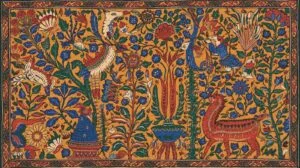
Exploring Modern Adaptations and Innovations
Madhubani painting today is not confined to age-old methods. Artists are incorporating acrylic paints for vibrant hues and using contemporary themes to appeal to modern audiences. This fusion thrives alongside conventional styles, allowing the art to maintain its roots while evolving creatively.
Where Can You Find Inspirational Madhubani Artworks?
If you are curious about different styles and expert applications, platforms showcasing a variety of Madhubani painting techniques from artists worldwide provide ample inspiration and learning opportunities. These social media sources are invaluable for both beginners and seasoned painters wanting fresh ideas.
What Makes Madhubani Painting an Enduring Cultural Heritage?
Madhubani painting is more than just a form of decoration; it represents centuries of tradition, symbolism, and storytelling. Its intricate designs convey community values, beliefs, and artistic expression passed down generations. This living heritage continues to connect people culturally, emotionally, and artistically, cementing Madhubani’s status as an iconic craft form.
Conclusion
Mastering how to make madhubani painting is a rewarding experience that connects you to one of India’s richest cultural legacies. With the right guidance on materials, techniques, and step-by-step processes, anyone passionate about art can create stunning works. For those seeking continuous inspiration and expert advice in traditional arts, engaging with institutions like kailasa kaladhara offers valuable opportunities and resources.
FAQs
- What is the best surface for Madhubani paintings? Handmade paper or cloth is ideal for authentic Madhubani paintings.
- Can beginners learn Madhubani painting easily? Yes, by following basic steps and practicing traditional techniques, beginners can learn effectively.
- Are natural colors necessary for Madhubani art? While traditional, natural colors enhance authenticity but synthetic colors can also be used safely.
- Who is credited with popularizing Madhubani painting globally? Sita Devi is a renowned artist who helped bring global recognition to Madhubani painting.
- Is Madhubani painting limited to religious themes? No, modern artists also explore social and contemporary themes in Madhubani style.