Nature canvas painting captures the timeless beauty and serenity of the natural world on a canvas, creating lasting memories and artistic expressions. This blog explores the appeal, techniques, historical significance, and the subtle art of bringing natural scenery art to life. For those interested in exploring the world of nature canvas painting, this article will offer insights and inspiration.
How Did Nature Canvas Painting Become Popular?
The art of painting landscapes dates back centuries, with roots in ancient Chinese and European traditions. The father of modern landscape painting, often credited as Claude Lorrain in the 17th century, popularized outdoor painting or en plein air, immersing artists directly in nature. This method allows capturing the natural light, colors, and atmosphere at specific moments, which lends authenticity to natural scenery art.
The Essence of Landscape Art
Landscape art brings forward nature’s elements such as mountains, rivers, forests, and open skies. Beyond mere representation, it evokes emotions and tells stories. The play of light and shadow, color contrasts, and brushstroke details make each piece unique. Mastering landscape art demands understanding perspective, weather effects, and seasons.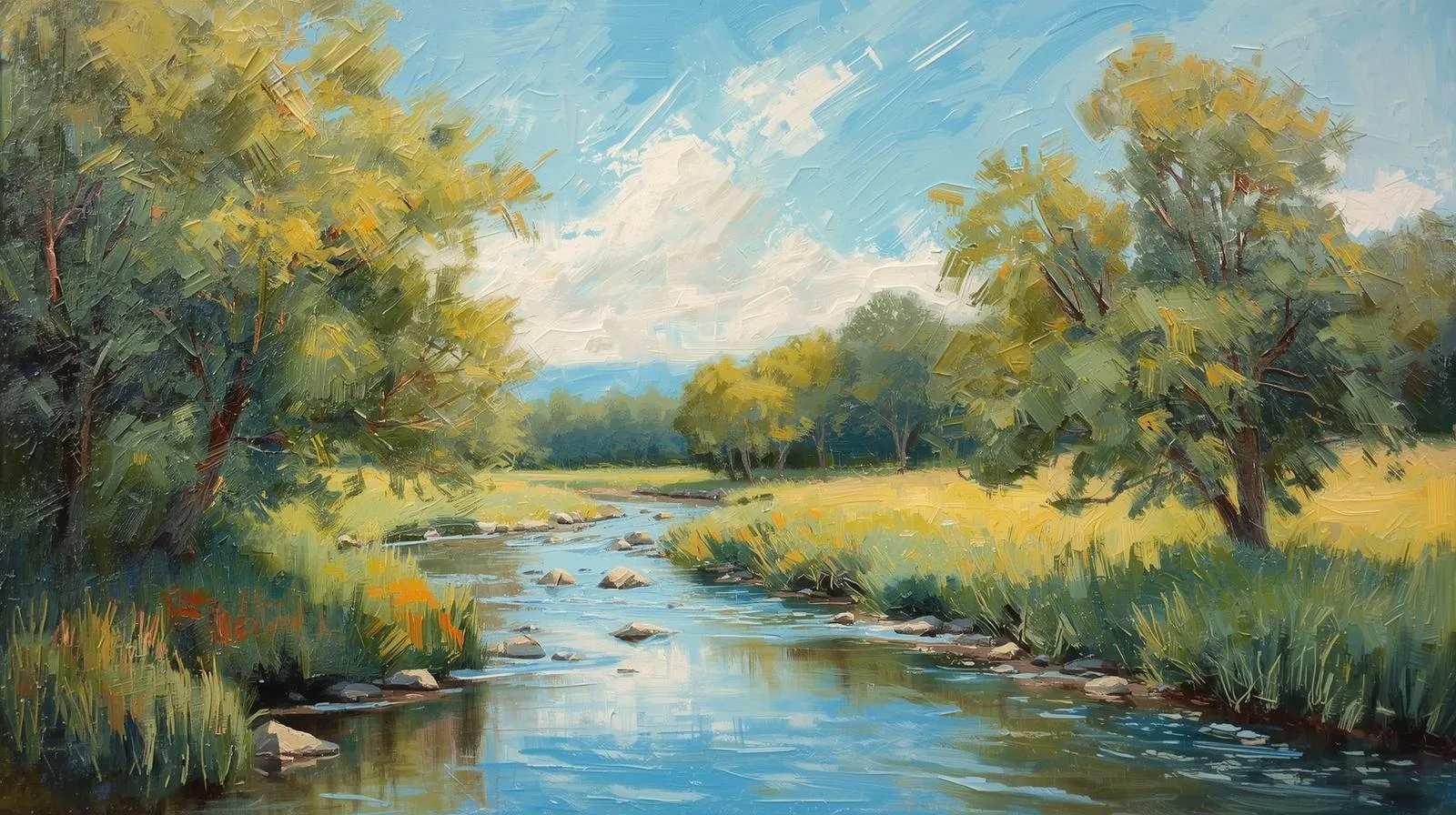
What Tools Are Essential for Outdoor Painting?
If you’re planning your first outdoor painting session, start with these essential tools:
- Portable easel for easy setup
- High-quality brushes with varied sizes
- Weather-resistant canvas
- Palette for mixing colors
- Compact set of oil or acrylic paints
- Brush cleaner and rags
- Sunhat and sunscreen for comfort
Outdoor painting allows artists to capture the vibrancy of nature more spontaneously. For example, the impressionist painters of the 19th century revolutionized art by using vibrant colors directly from nature during their outdoor painting sessions.
Exploring Techniques to Enhance Natural Scenery Art
Creating realistic natural scenery art involves several techniques, including:
- Layering colors to build depth
- Utilizing wet-on-wet technique for blending skies
- Applying dry brush for textured effects like tree bark
- Using glazing for subtle light reflections
- Incorporating perspective lines to create distance
Each technique contributes to the richness and authenticity of the final piece, turning simple landscapes into breathtaking visual stories.
How Does Modern Technology Influence Nature Canvas Painting?
Modern artists integrate technology through digital apps and high-resolution photography, enabling detailed studies of landscapes before painting. Tools like tablets and styluses allow sketching outdoors with instant editing. However, many artists agree that nothing beats the experience of outdoor painting to capture the nuances of natural light and atmosphere.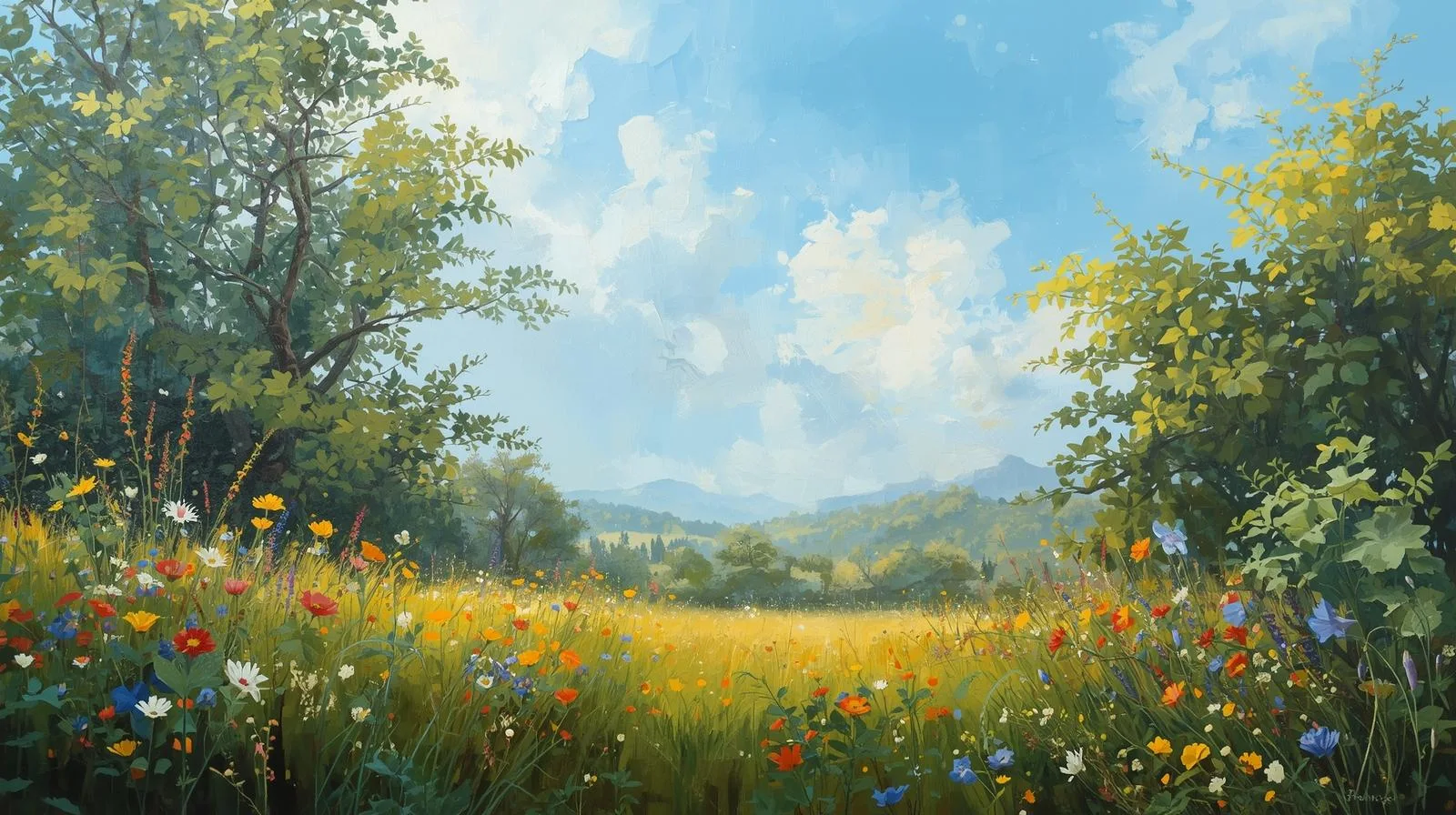
Choosing the Right Canvas for Your Landscape Art
Canvas choice greatly impacts the durability and texture of nature canvas painting. Cotton canvases are affordable and flexible, while linen provides more strength and fine texture, ideal for detailed work. Priming your canvas prevents paint absorption, maintaining pigment brilliance. Many manufacturers today treat canvases to be UV-resistant for long-lasting artworks.
The Psychological Benefits of Creating Outdoor Painting
Engaging in outdoor painting offers mental relief and boosts creativity. Studies show that spending time in nature reduces stress, and painting those scenes deepens the calming effect. Moreover, artists practicing natural scenery art often report increased mindfulness and emotional well-being.
What Makes a Nature Canvas Painting Truly Stand Out?
A standout nature canvas painting has a balance of technical skill and emotional resonance. Unique composition, striking color palettes, and personal interpretation often set exceptional work apart. Additionally, capturing weather conditions like morning mist or sunset hues adds an ephemeral quality cherished by viewers.
Tips for Beginners to Master Landscape Art
Beginners should start with simple compositions and practice consistently. Here are a few suggestions:
- Visit parks or countryside for firsthand experience
- Use quick sketches to compose scenes before detailed work
- Experiment with color mixing to match natural tones
- Attend workshops or study masters’ works
- Stay patient and open to learning from mistakes
Also, follow inspiring accounts showcasing landscape art to observe styles and trends in the field.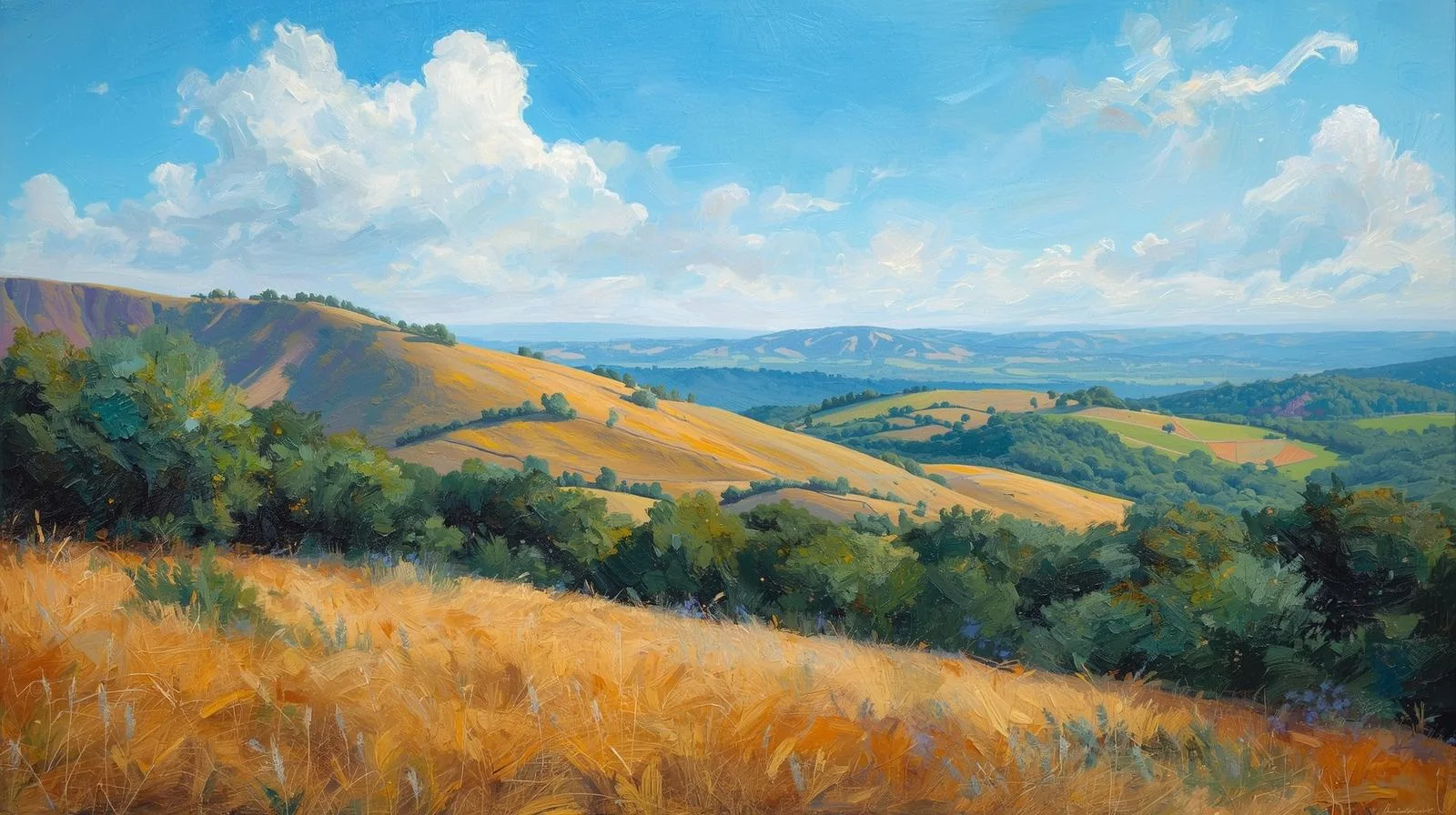
Final Thoughts on Nature Canvas Painting
Nature canvas painting remains a cherished art form that brings the serenity of the outdoors inside. The blend of traditional skills with modern insights continually evolves this genre, keeping it fresh and captivating. Enthusiasts and professionals alike find joy in exploring the interplay of colors, light, and atmosphere.
For artistically inclined readers, Kailasakaladhara offers pathways not only to explore related creative fields but also to deepen appreciation for naturalistic art forms. For more tips, updates, or inspiration, consider visiting kailasa kaladhara.
FAQs
- What is the best medium for nature canvas painting? Acrylic or oil paints are preferred for vibrant color and texture in landscape art.
- How do I start with outdoor painting? Begin with simple scenes, carry basic tools, and practice capturing light quickly.
- Is nature canvas painting suitable for all skill levels? Yes, from beginners to experts, it offers something unique for everyone.
- What defines landscape art uniquely? The authentic depiction of natural elements combined with emotional storytelling.
- Can technology help in nature canvas painting? Yes, through digital sketching and photography but it’s not a replacement for outdoor experience.