Oil painting on canvas is a timeless art form that has captivated artists and collectors for centuries. From the rich textures to the vibrant colors, this medium offers endless possibilities for expression. Whether you’re a beginner or a seasoned artist, understanding the right techniques and preparation is key to creating stunning artwork. This article explores essential aspects of oil painting on canvas, including canvas preparation, oil paint techniques, and the innovative approach of palette knife painting.
How does canvas preparation influence oil painting?
Preparing your canvas properly sets the foundation for a successful oil painting. A well-prepped surface ensures paint adheres evenly and lasts longer without cracking. Typically, artists start with a stretched canvas, applying a few layers of gesso. This whitens and smooths the surface, preventing the oil from soaking into the fibers. Canvas preparation affects texture, absorption, and how colors appear in the final piece.
The evolution of oil painting on canvas
The technique of oil painting on canvas dates back to the 15th century, popularized by the Flemish painter Jan van Eyck, known as the father of early oil painting techniques. The use of canvas became widespread due to its practicality compared to wooden panels. Over time, artists like Leonardo da Vinci and Rembrandt refined the medium, exploring the depths of layering and glazing that oil paints uniquely allow.
What are the must-know oil paint techniques?
When it comes to oil paint techniques, mastery of several methods can elevate your artwork:
- Glazing: Applying thin transparent layers to build luminous depth.
- Impasto: Thick, textured strokes that add a three-dimensional quality.
- Scumbling: Using a dry brush to create a broken, textured effect.
- Wet-on-wet: Blending colors directly on the canvas for smooth transitions.
Each technique offers different visual effects and requires patience as oil paint dries slowly, allowing artists ample working time.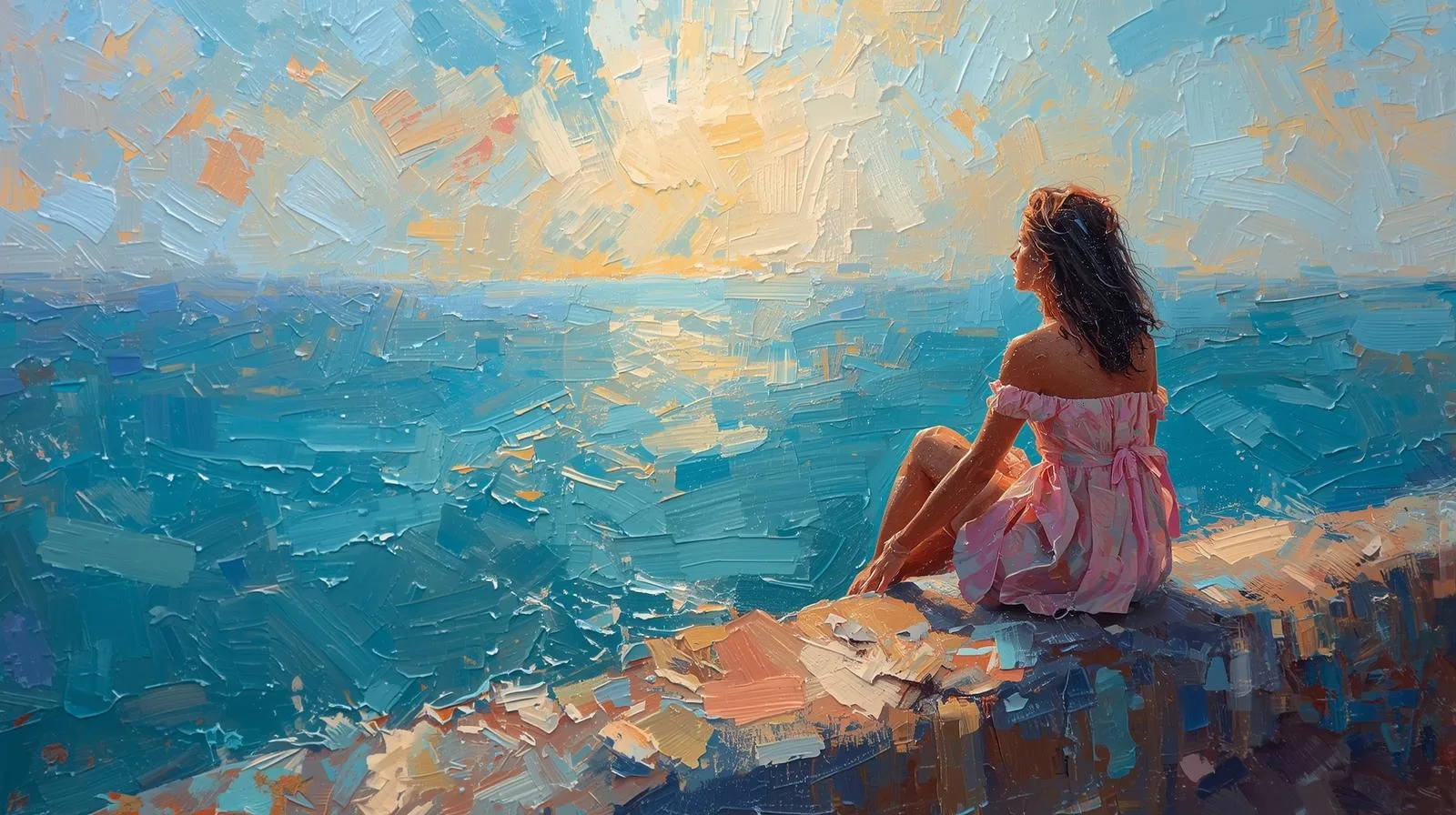
Techniques for integrating palette knife painting
Palette knife painting is a bold technique where artists use a knife instead of brushes to apply paint thickly. This style creates dramatic textures and a sense of movement. It’s excellent for landscapes and abstract art but requires a good understanding of paint consistency and layering. Palette knives allow for crisp edges and more spontaneous marks that can energize a composition.
Artistic surfaces beyond traditional canvas
While traditional cotton or linen canvas remains a favorite, some artists experiment with primed boards or textured papers. The surface chosen influences the granularity and absorption, impacting the look of brushstrokes or knife marks. Understanding your preferred support can help tailor techniques to suit the medium efficiently.
What tools complement oil painting on canvas?
Besides brushes and palette knives, several tools improve the oil painting experience. Linseed oil is a common medium that increases paint flow and gloss. Turpentine or odorless solvents aid in thinning paints and cleaning brushes. Quality palettes, easels, and proper lighting conditions also play crucial roles in delivering the best results responsibly and comfortably.
Environmental and health considerations in oil painting
Oil painting requires solvents and mediums which can emit volatile organic compounds (VOCs). Modern artists increasingly opt for safer alternatives like odorless mineral spirits and water-mixable oil paints, reducing environmental impact and health risks. Ensuring good ventilation in your studio is essential for safety during longer painting sessions.
Common challenges when painting with oils on canvas
Artists often face challenges such as cracking paint, slow drying times, or unintended muddiness of colors. Understanding the ‘fat over lean’ principle, which involves layering thicker paint over thinner layers, can prevent cracking. Patience and planning ensure smooth blending, while selecting a compatible color palette avoids muddiness—a frequent pitfall for novices.
Incorporating modern technology in oil painting
The digital age offers resources like online tutorials, virtual galleries, and forums that span the globe, helping artists learn diverse oil paint techniques and share feedback. Additionally, infrared reflectography, used by art historians, helps reveal underlying layers and provide insights into classical oil paintings’ processes, merging tradition with innovation.
How to preserve and care for oil paintings on canvas?
Proper care extends the life of your artwork significantly. Keeping paintings out of direct sunlight prevents fading, while stable humidity levels protect the canvas from warping. Regular cleaning by dusting with a soft brush and professional varnishing every few years safeguard colors and surface integrity.
As we explore the rich tapestry of oil painting on canvas, it’s clear that its blend of tradition and creativity offers a rewarding experience. For those eager to dive deeper into this vibrant form of art, the team at kailasa kaladhara invites you to reach out for more tips, inspiration, and updates on mastering painting techniques.
FAQs
- What is the best canvas for oil painting? Linen canvas is preferred for its durability and smooth texture.
- How long does oil paint take to dry? Typically, it takes days to weeks depending on thickness and conditions.
- Can beginners use palette knives easily? Yes, palette knives are beginner-friendly and encourage expressive techniques.
- Is gesso necessary before oil painting? Yes, gesso primes the surface, ensuring better paint adhesion.
- How do you clean oil paint brushes? Using turpentine or odorless mineral spirits followed by soap and water is effective.