What is a canvas in painting? Simply put, a canvas is the fabric surface artists use to create paintings. It is an essential tool that supports and displays the artwork. This blog delves into the many aspects of canvas in painting, including what is a canvas in painting?, types of painting canvas, the history of canvas in art, and best practices for canvas preparation for painting.
The Origins and Evolution of Canvas in Art
The use of canvas dates back to the 14th century when artists moved from wooden panels to a more flexible surface. The Italian Renaissance painter Leonardo da Vinci is often credited with popularizing canvas use. Over time, the history of canvas in art has shown a gradual shift toward lighter and more durable textiles, allowing artists greater freedom of expression.
What Are the Main Types of Painting Canvas?
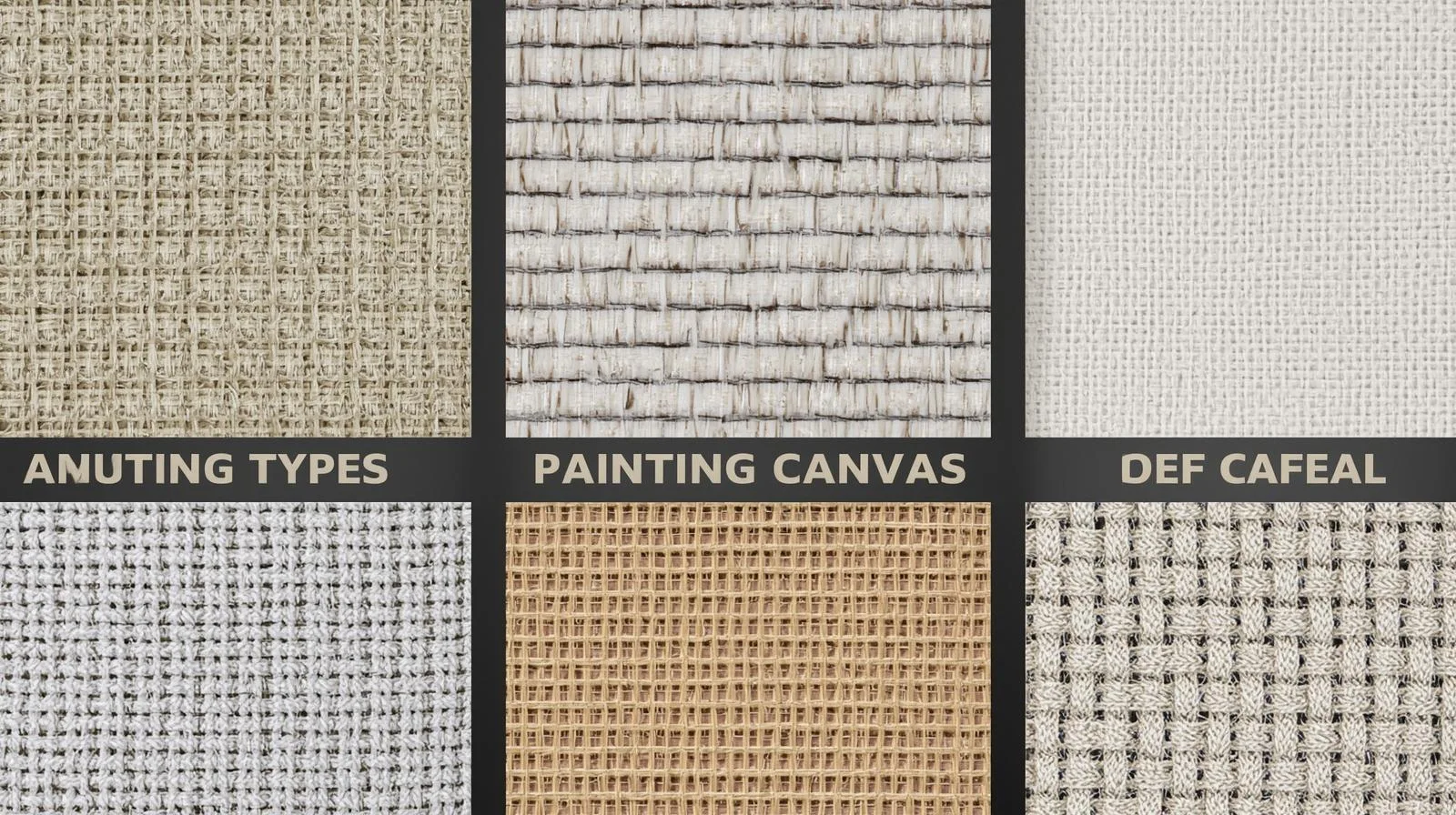
Understanding types of canvas materials is crucial for artists when selecting a canvas. Common types include:
- Cotton Canvas: Popular for affordability and smooth texture.
- Linen Canvas: Preferred by professionals for its strength and fine grain.
- Polyester Canvas: Resistant to weather and stretching; used in outdoor art.
- Jute Canvas: Rough and sturdy, suitable for rustic artworks.
The choice significantly affects the painting’s longevity and its final appearance.
How Do Artists Prepare Canvas for Painting?
Canvas preparation for painting is vital to ensure paint adhesion and prevent damage over time. Here’s a simple process artists follow:
- Stretching the canvas tightly over a wooden frame.
- Applying a primer, commonly gesso, which creates a barrier preventing paint from soaking into fibers.
- Sanding the primed surface for smoothness.
- Allowing it to dry thoroughly before painting.
Proper preparation helps the paint colors remain vibrant and the canvas durable.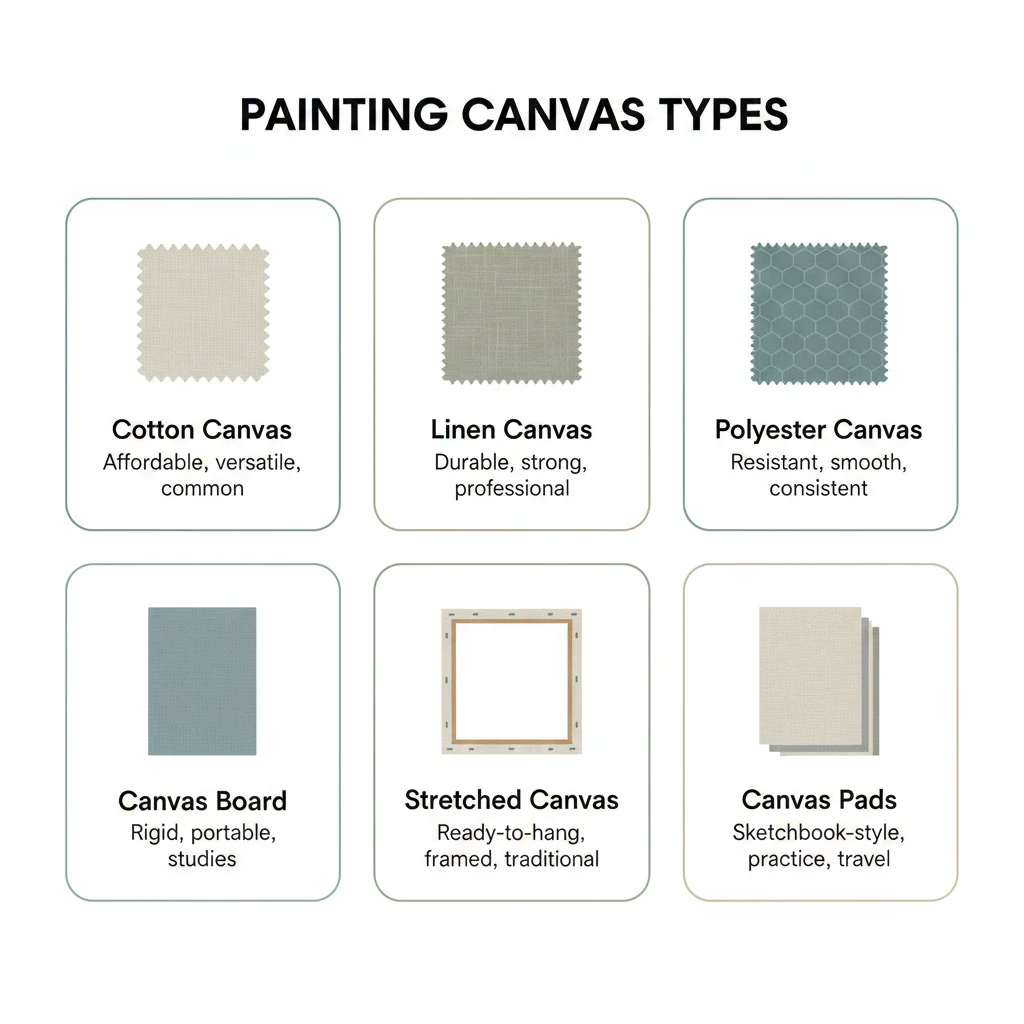
What Makes Canvas Different from Other Painting Surfaces?
Unlike paper or wood, canvas offers flexibility and a textured surface that adds depth to paintings. It’s lightweight and portable, making it preferred for large artworks and outdoor painting sessions. Its breathability also prevents moisture buildup, which could damage the artwork over time.
The Role of Canvas in Modern and Contemporary Art
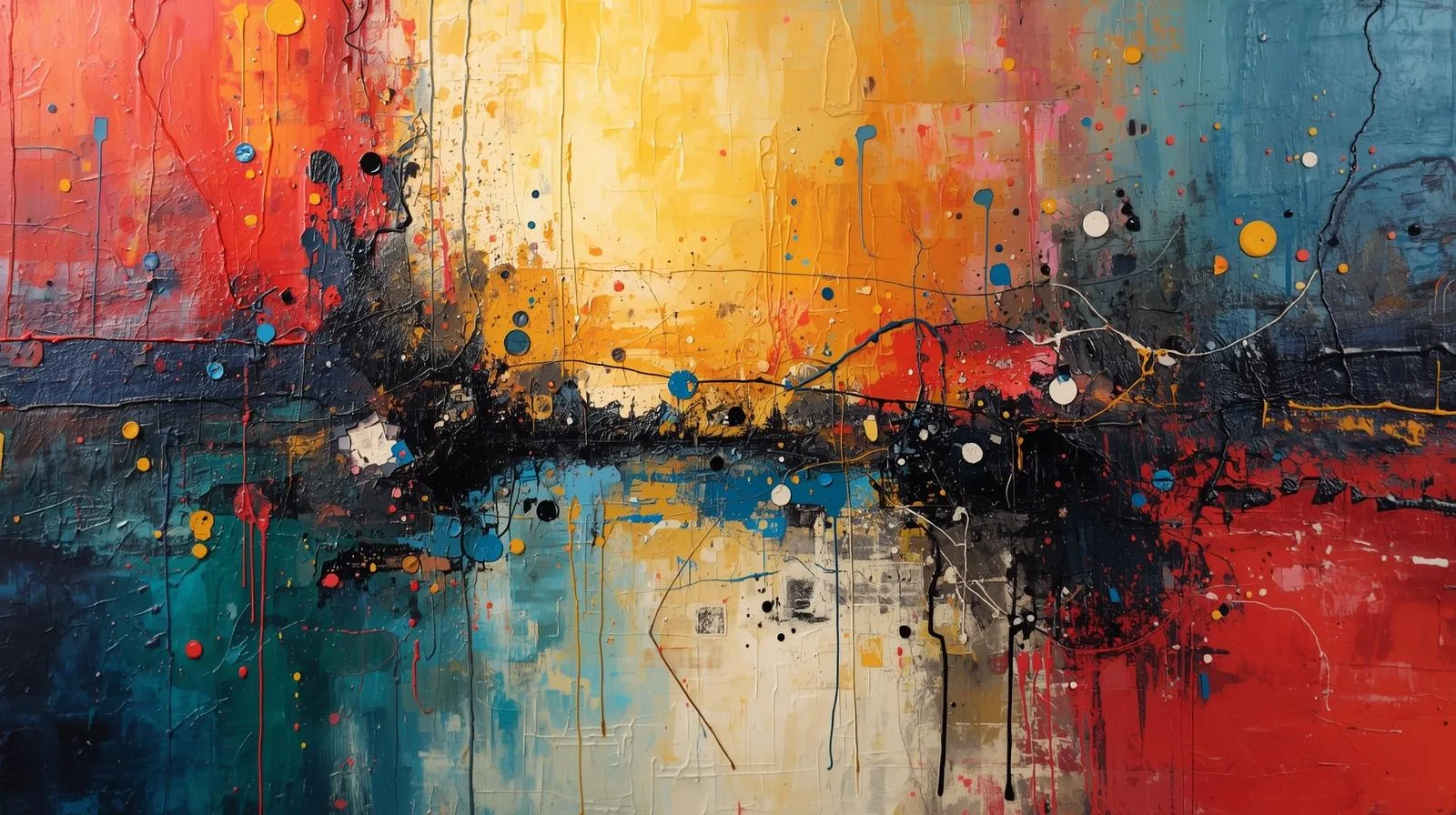
Canvas continues to be favored by many modern artists for its adaptability. Abstract, impressionist, and mixed media artists all utilize canvas for different effects. Recent advancements have introduced synthetic canvases that resist environmental wear, expanding its use beyond traditional oil and acrylic painting.
What Are Some Differences Between Cotton and Linen Canvases?
Cotton canvases are more budget-friendly and have a smooth texture that suits beginners and hobbyists. Linen canvases are stronger, with a naturally tighter weave, offering professional artists a durable surface that ages gracefully. According to research comparing canvas materials, linen better withstands the test of time, making it a premium choice.
How Has Canvas Preparation Evolved Over Time?
Originally, artists applied rabbit skin glue as a primer, which sometimes caused cracking. Now, acrylic gesso is the standard due to its flexibility and fast-drying properties. This change has revolutionized canvas preparation for painting, reducing preparation time and enhancing paint adherence.
Common Canvas Sizes and Their Uses
Canvases come in standardized sizes, but artists often customize dimensions to suit their project. Popular sizes include:
| Size (inches) | Typical Use |
|---|---|
| 8 x 10 | Small portraits and studies |
| 16 x 20 | Medium landscapes |
| 24 x 36 | Large statement pieces |
The size influences composition and the detail artists can achieve.
The Impact of Quality Canvas on Art Durability and Aesthetics
High-quality canvas provides a consistent texture that allows paint to adhere evenly, preventing cracking or warping. Expert painters stress that investing in durable canvas materials significantly impacts the artwork’s longevity and appearance.
Exploring Canvas Beyond Painting
Besides traditional oil or acrylic paintings, canvas is used in mixed media, digital printing, and textile art. Its versatility invites creativity across art forms, making it an enduring medium even as artistic methods evolve.
To explore painting techniques further or discover artistic inspirations, readers are invited to visit the dance course page for more tips, updates, or inspiration.
In conclusion, what is a canvas in painting? is more than just fabric; it’s a critical component that shapes the art creation process. From its rich history to the different types of painting canvas and intricate canvas preparation for painting, understanding these elements helps artists produce compelling and lasting artworks. For those interested in the intersection of art and creative learning, Kailasakaladhara offers valuable guidance and inspiration. Feel free to reach out by visiting contact us to learn more.
FAQs
- What is the difference between cotton and linen canvas? Linen is stronger, finer, and more durable than cotton which is smoother and affordable.
- Do I need to prime a canvas before painting? Yes, priming with gesso ensures paint adheres properly and protects the fabric.
- Can canvas be used for acrylic and oil painting? Yes, canvas is suitable for both acrylic and oil paints when properly prepared.
- What are common canvas sizes for beginners? Sizes like 8×10 or 16×20 inches are commonly used by beginners.
- How long has canvas been used in art? Canvas started being used extensively since the 14th century, replacing wooden panels.