Traditional arts and crafts workshops Bangalore offer a vibrant gateway into India’s rich cultural heritage, especially in a city bustling with creativity like Bangalore. These workshops combine history, artistry, and hands-on experience to immerse participants in crafts that have been passed down through generations. Whether you are an art enthusiast or someone seeking a creative outlet, these workshops provide the perfect space to explore traditional crafts in depth.
Exploring the Rich Tradition Behind Local Handicrafts
Bangalore is not just a tech hub; it’s also a cradle of timeless traditional arts. The city has embraced the revival of age-old crafts such as Mysore painting, Bidriware, and intricate weaving styles. Through these workshops, learners understand the stories and techniques that have shaped these crafts for centuries. For instance, Bidri art, which originated in Bidar, involves silver inlay work on blackened metal, a process requiring meticulous attention and patience.
Who Were the Pioneers of Traditional Indian Crafts?
Many traditional crafts trace their roots to legendary artisans and cultural movements. For example, Raja Ravi Varma popularized classical Indian art in the 19th century, blending Western techniques with Indian themes. Similarly, the Chola period significantly influenced temple art and bronze sculptures often featured in South Indian handicrafts. These historical influences provide the backdrop for current traditional arts and crafts workshops Bangalore today.
What Can You Expect from Traditional Art Workshops Bangalore?
Attending traditional art workshops Bangalore means more than learning techniques; it involves an immersive experience into the heritage and philosophy behind each craft. Participants usually engage in:
- Hands-on sessions with experienced artisans
- Understanding raw materials and their sourcing
- Learning design principles unique to each craft
- Creating personalized pieces to take home
- Developing a deeper appreciation for cultural narratives
Such comprehensive exposure helps walkers connect emotionally and intellectually to the craft.
The Growing Popularity of Handicraft Classes Bangalore
Interest in handicrafts is on the rise, partially fueled by a global renaissance in sustainable and handmade products. Bangalore, with its thriving arts scene, has seen an uptick in handicraft classes Bangalore that provide flexible schedules and innovative pedagogies combining traditional and modern aesthetics.
How Do Folk Art Training Bangalore Help Preserve Cultural Identity?
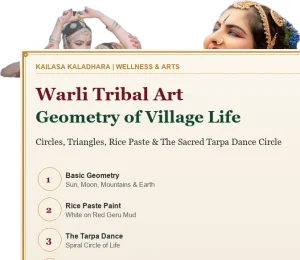
Folk art training is critical in preserving intangible cultural heritage. Workshops that focus on rural traditions or tribal arts allow participants to experience crafts like Warli painting or Channapatna toy making, which are vital cultural expressions. This not only preserves the technique but also supports local communities economically and socially.
Techniques Unique to Bangalore’s Craft Workshops
Workshops in Bangalore often highlight techniques native to the region such as:
- Gold leaf work characteristic of Mysore paintings
- Natural dyeing methods used in traditional textile crafts
- Stone carving and terracotta molding reflective of local artistry
These features make the teachings distinct and culturally significant.
Crafting as a Tool for Mindfulness and Creativity
Engaging in traditional crafts has been shown to improve mindfulness and reduce stress. The tactile engagement and focus required promote mental well-being and encourage creative thinking. Studies confirm that activities like weaving, pottery, and painting can increase neuroplasticity and problem-solving skills.
Which Materials Are Commonly Used in Traditional Workshops?
Participants often work with organic and locally sourced materials to maintain authenticity and sustainability. Common materials include:
- Natural fibers like cotton and silk
- Locally mined metals and mineral pigments
- Clay and natural dyes
- Wood from regional forests
This use of local materials helps sustain regional economies and reduces environmental impact.
Community and Networking Opportunities
Besides skill acquisition, these workshops create communities of like-minded individuals passionate about tradition and innovation. Networking with artisans and fellow learners opens doors to collaboration and cultural exchange.
How to Choose the Right Traditional Arts and Crafts Workshop?
When selecting a workshop, consider the following:
- Expertise and background of instructors
- Hands-on practice versus theoretical learning balance
- Reviews and feedback from former participants
- Duration and schedule that suit your lifestyle
- Inclusion of cultural context in the curriculum
Choosing a workshop with these in mind guarantees a richer experience.
Traditional arts and crafts workshops Bangalore are more than just classes — they are a pathway to the heart of India’s artistic legacy. For those passionate about cultural immersion and hands-on learning, institutions like kailasa kaladhara offer an inspiring range of courses that nurture both skill and creativity, making them a valuable resource for anyone eager to explore this field further.
FAQs
- What age group is suitable for traditional arts and crafts workshops in Bangalore? Workshops usually cater to all age groups, with some designed specifically for children or adults.
- Are the materials provided in handicraft classes Bangalore? Yes, most workshops provide the necessary materials, but it’s good to confirm before enrolling.
- Can beginners join traditional art workshops Bangalore? Absolutely, many workshops welcome beginners and provide foundational training.
- How long do typical folk art training Bangalore sessions last? Sessions vary but usually range from a few days to several weeks depending on the craft.
- Is prior artistic experience required for these workshops? No prior experience is required; passion and willingness to learn are essential.