
Samyuta Hastas are the twenty-four double-hand gestures of Bharatanatyam that combine both hands to paint vivid mythological scenes, natural elements, and profound sentiments. From the reverent Anjali to the soaring Garuda, these gestures form the visual poetry of classical Indian dance.
While single-hand gestures represent isolated objects, dual-hand mudras allow dancers to show relationships, containers, celestial creatures, and sacred rituals with complete anatomical balance.
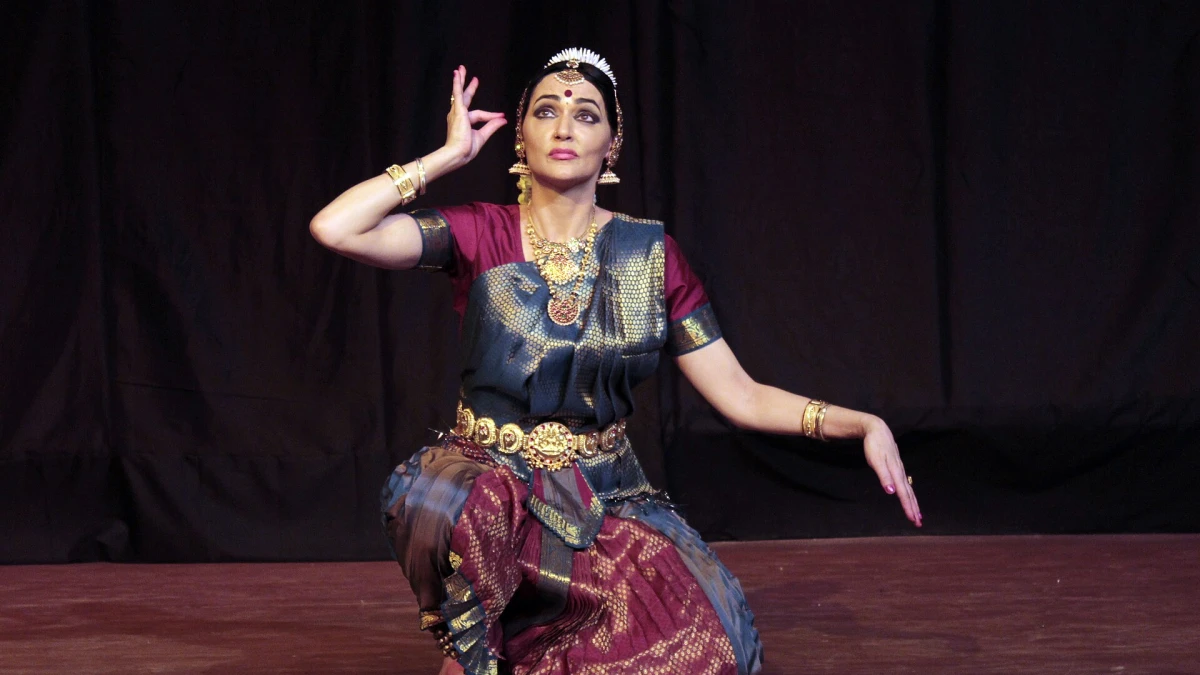
Core Samyuta Hastas Every Dancer Must Perfect
The sequence begins with Anjali, the universal prayer gesture where both palms press flat in front of the chest, forehead, or crown. Each level of Anjali conveys a different degree of devotion toward teachers, guests, or the divine.
Kapota follows Anjali, creating a hollow cavity between the palms to symbolize respectful acceptance and humility. Karkata interlocks the fingers tightly, depicting arrival of crowds, blowing a conch, or stretching stiff limbs.
Pushpaputa (a basket of flowers) cradles the hands side-by-side to hold offerings, water, or lamps during invocatory items like Pushpanjali taught across our specialized Bharatanatyam batches.
Achieving Geometric Balance Between Left and Right Arms
A common beginner mistake is allowing the non-dominant hand to sag or lose tension. In dual gestures like Shivalinga or Kartarisvastika, both hands must maintain equal muscular presence regardless of handedness.
When practicing at home, align your elbows parallel to the floor with your shoulders relaxed. This geometric structure prevents shoulder hunching and protects your upper spinal posture.
For dedicated dancers seeking balanced rehearsal time, reserving acoustic mirror studios through our dance studio rental spaces helps refine arm angles in natural lighting.
How Double-Hand Gestures Depict Mythical Creatures
Classical dance draws inspiration from Indian fauna and cosmic legends. Dual-hand gestures capture these archetypes with startling vividness:
- Garuda: Crossed thumbs with fluttering fingers depict Lord Vishnu’s golden eagle soaring through skies.
- Matsya: Hands placed one atop the other with wriggling thumbs illustrate the sacred fish swimming through ocean currents.
- Kurma: The tortoise gesture curls fingertips inward to symbolize inward sensory mastery.
- Nagabandha: Entwined wrists and fingers portray serpents and celestial bonds.
Frequently Asked Questions
Why do my forearms ache after holding dual-hand mudras?
Holding prolonged isometric contractions builds muscular endurance in the flexor and extensor muscles of the forearms. Gentle wrist rotations before class alleviate initial fatigue.
Can adults learn Samyuta Hastas without prior dance experience?
Yes. Adults often memorize the Sanskrit verses and cognitive associations faster than children, making dual-hand mudras an enjoyable entry point into classical arts.













