
The Navarasas are the nine primary emotional flavors codified in Bharata Muni’s Natya Shastra that form the emotional nucleus of Indian classical performing arts. When an artist channels genuine inner feeling (Bhava), it blossoms into an aesthetic experience (Rasa) shared deeply with the spectator.
Mastering the Navarasas requires more than superficial facial grimacing. It demands synchronizing breath, pupil dilation, subtle brow movement, and physical posture to mirror authentic human vulnerability and majesty.
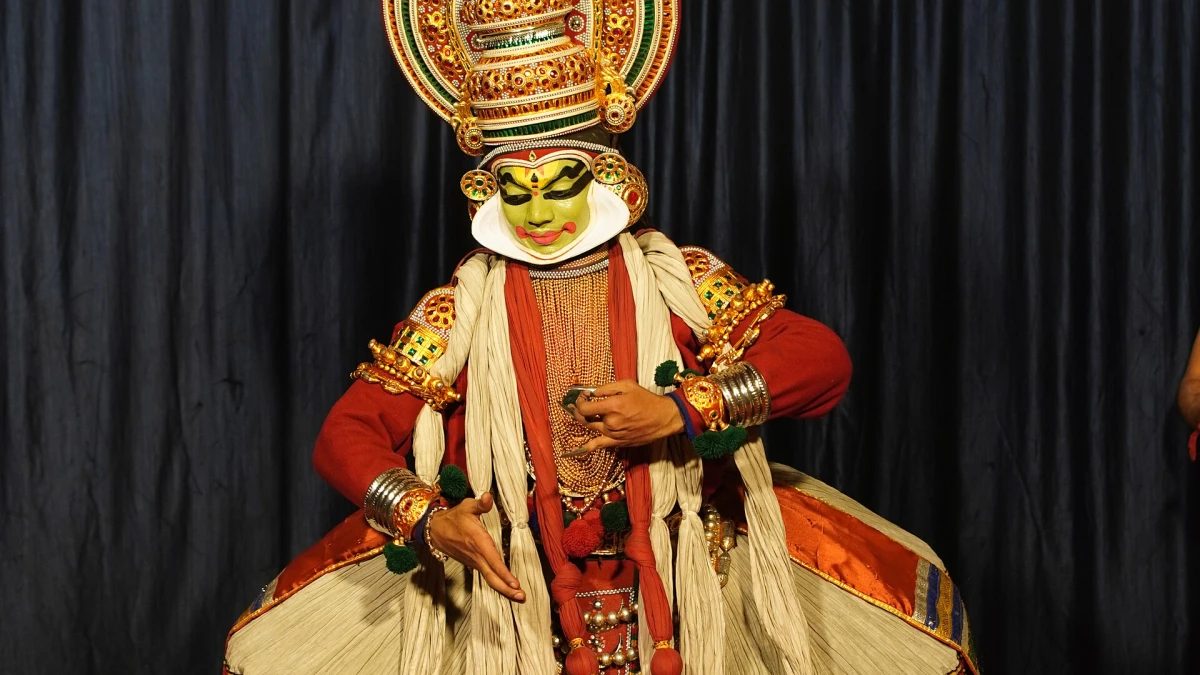
The Nine Rasas and Their Expressive Signatures
Each rasa carries an associated color, presiding deity, and bodily demeanor that guides the classical performer during expressive items (Padams, Javalis, and Varnams):
- Shringara (Love & Beauty): Soft gaze, relaxed mouth, and open posture depicting romantic yearning or devotion.
- Hasya (Mirth & Laughter): Raised corners of the lips, crinkled eyes, and lively shoulder bounces.
- Karuna (Compassion & Sorrow): Drooping eyelids, shallow breathing, and tilted head expressing profound empathy.
- Roudra (Anger & Fury): Flaring nostrils, wide unblinking eyes, and clenched jaw projecting burning indignation.
- Veera (Heroism & Valor): Expanded chest, firm chin, and resolute upward gaze radiating unyielding resolve.
- Bhayanaka (Fear & Terror): Darting pupils, retracted shoulders, and shallow breath depicting impending danger.
- Bibhatsa (Disgust & Aversion): Curled upper lip, turned-away face, and wrinkled nose signaling revulsion.
- Adbhuta (Wonder & Astonishment): Wide rounded eyes, slightly parted lips, and still breath witnessing cosmic grandeur.
- Shanta (Tranquility & Peace): Half-closed steady eyes, even diaphragmatic breathing, and serene neutral poise.
How Breath Modulates Facial Expressions
Few beginners realize that eye muscles respond directly to lung mechanics. In Roudra (fury), deep chest breathing fuels sharp intensity. In Shanta (peace), calm belly breathing relaxes facial micro-tensions instantly.
Studying breathwork through our integrated yoga and alignment training directly enriches a dancer’s ability to transition smoothly between conflicting emotions without physical strain.
Transforming Personal Memory into Stage Art
To portray Karuna convincingly, seasoned performers recall poignant life moments or connect deeply with poetic lyrics. Classical Abhinaya is an empathetic meditation rather than mere theatrical pantomime.
Students looking to refine their expressive storytelling can explore personalized guidance across our performing arts branches in Bangalore.
Frequently Asked Questions
Can children understand and execute mature emotions like Shringara?
In classical dance, Shringara is taught to children as Vatsalya (maternal affection) or Bhakti (pure devotion toward nature and the divine), making it age-appropriate and spiritually uplifting.
How does Abhinaya help adults in daily life?
Practicing Navarasas develops emotional intelligence, self-regulation, and non-verbal communication skills, helping working professionals present themselves with authenticity and poise.













