Kuchipudi dance costume is an integral element that brings this classical Indian art form to life. A captivating blend of vibrant colors and intricate designs, it enriches the performance, highlighting the dancer’s expressions and movements. Known for its elegance, the kuchipudi dance costume represents both heritage and artistry. In this article, we will explore the distinctive features of the costume, including the traditional kuchipudi dance costume style, the accompanying jewelry, makeup, and the significance of each element.
What Makes the Kuchipudi Sari Unique Among Dance Attires?
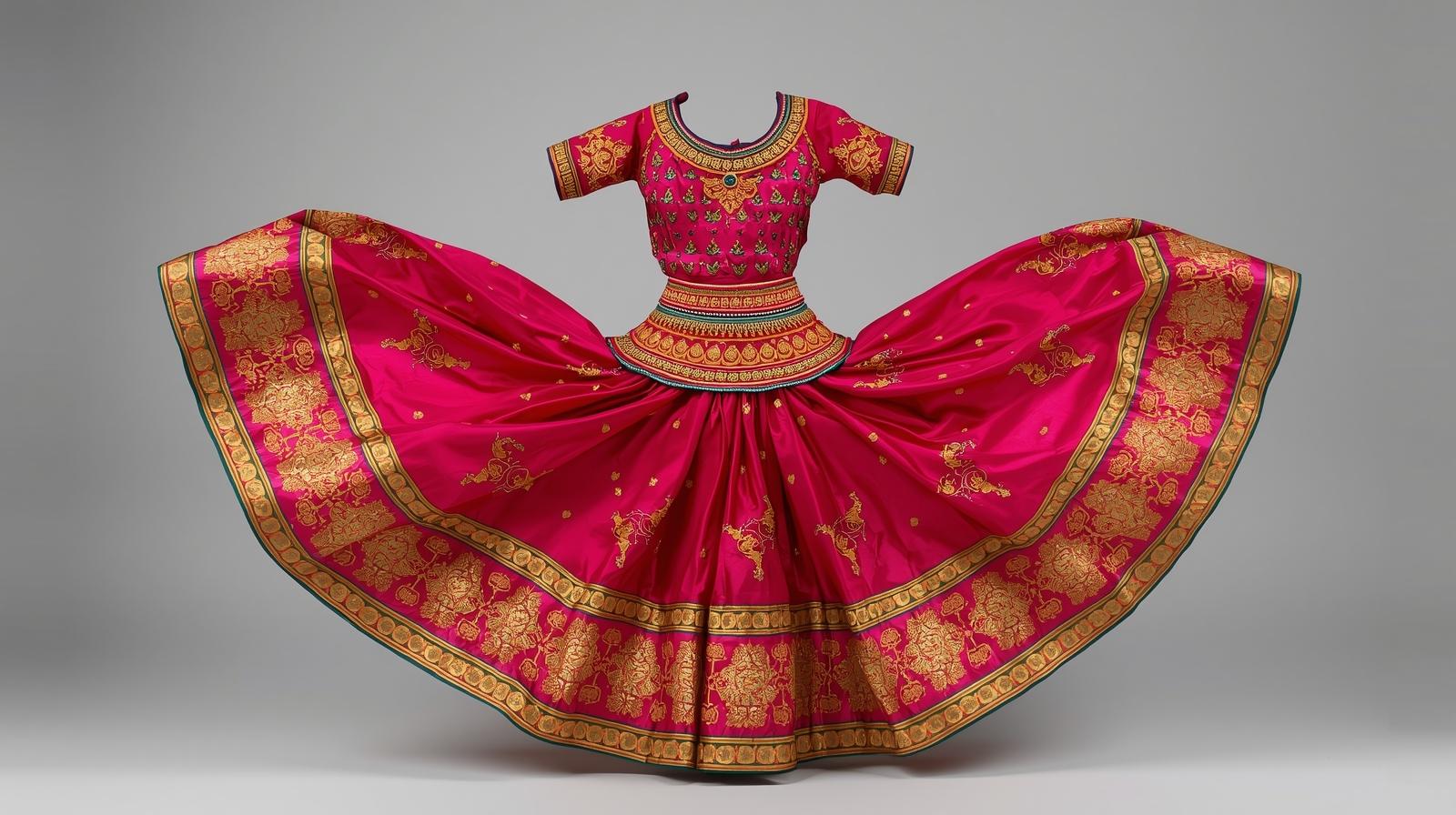
The kuchipudi sari differs from regular saris primarily in its design and draping style. It is tailored for ease of movement, combining aesthetic appeal with functionality, allowing dancers to execute expansive footwork and expressive gestures effortlessly.
Typically, the sari includes a vibrant pleated fan that opens beautifully during dance poses, emphasizing grace. The color schemes often include bright tones like orange, green, and red, reflecting cultural symbolism. Renowned figures such as Vedantam Satyanarayana Sharma played a significant role in popularizing this costume style in the mid-20th century.
How Does Kuchipudi Jewelry Enhance the Overall Performance?
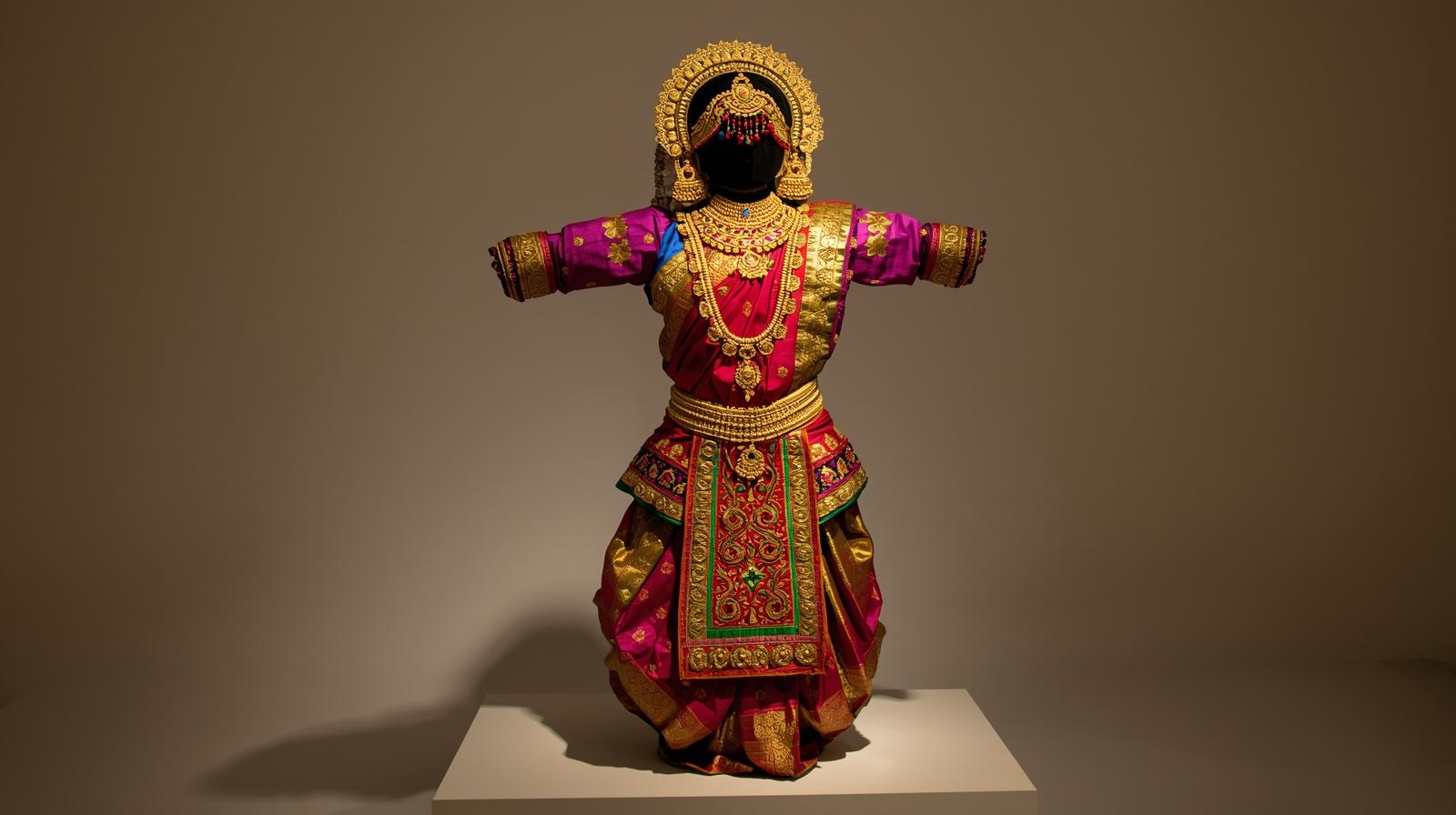
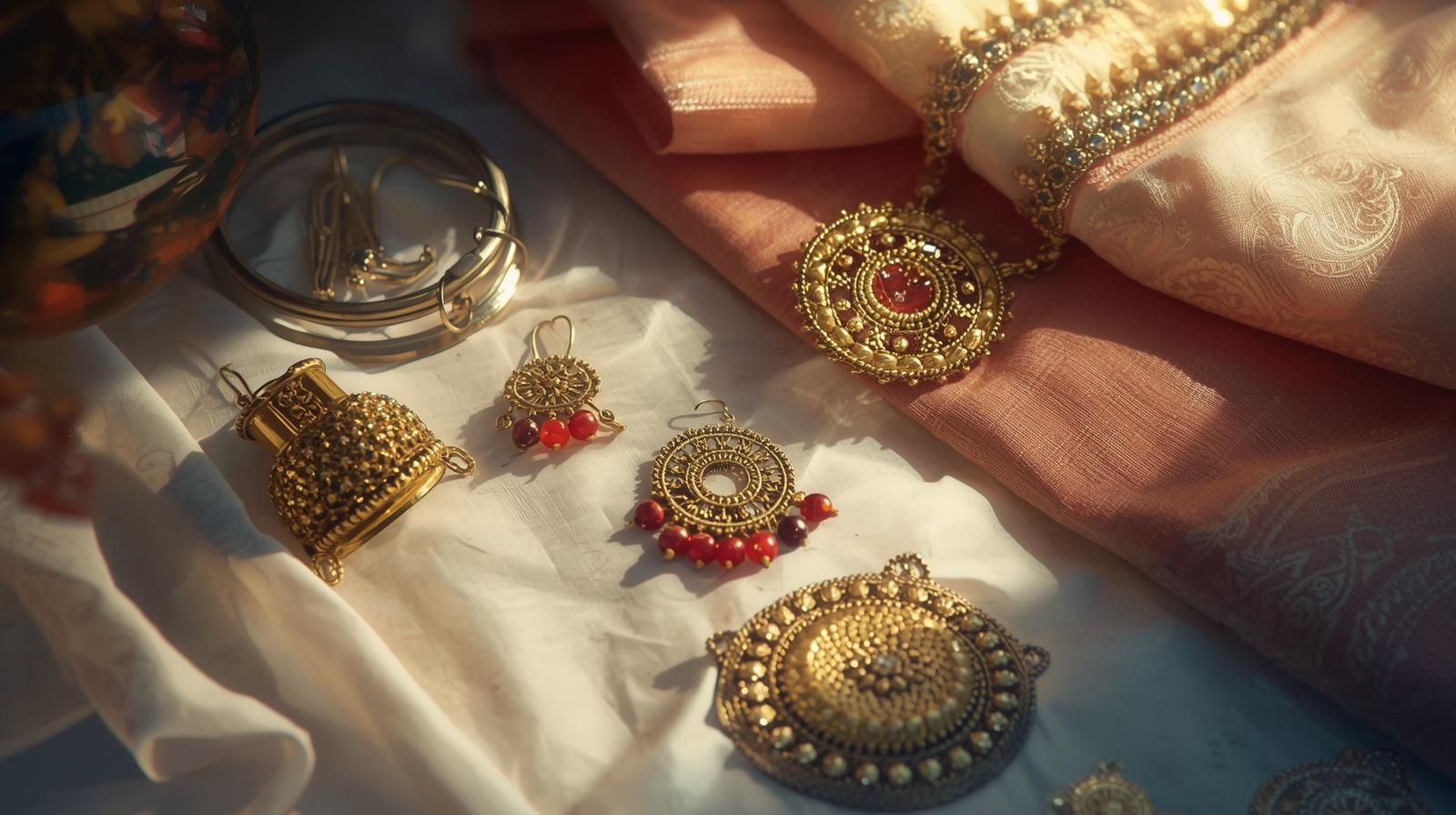
Jewelry is not just ornamental in Kuchipudi performances; it carries traditional significance and complements the storytelling. Each piece, from the jhumkas (earrings) to the necklaces and waist belts, accentuates the dancer’s expressions and movements.
The elaborate kuchipudi jewelry often features temple motifs and is crafted from gold or gold-plated materials, sometimes adorned with precious stones. This jewelry is carefully selected to suit the thematic requirements of the performance, adding an aura of divinity and grandeur.
The Vital Role of Kuchipudi Dance Makeup
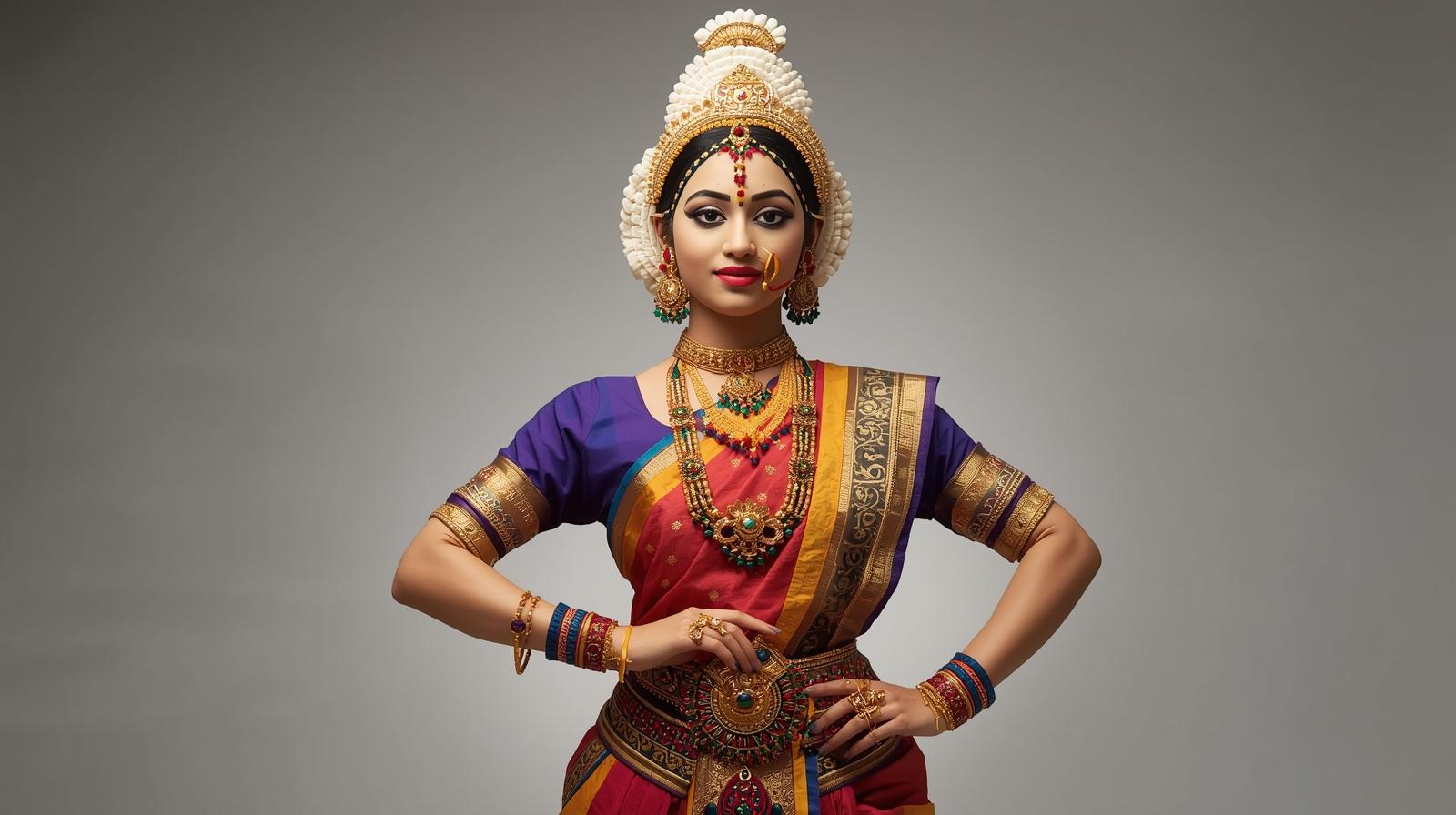
Kuchipudi dance makeup focuses on emphasizing the dancer’s facial expressions to communicate emotions vividly to the audience. The eyes receive special attention with bold eyeliner and kajal to define expressions clearly, even from a distance.
Red lipstick, vermilion on the forehead, and facial highlights contribute to a dramatic look that harmonizes with the costume’s vibrant colors and jewelry. Makeup artists follow traditional guidelines but also adapt to modern sensibilities without compromising the art form’s essence.
How Do Regional Variations Influence the Kuchipudi Costume?
Regional tastes and cultural influences subtly affect Kuchipudi attire. For example, dancers in Andhra Pradesh, the dance’s birthplace, often prefer bright silk saris with intricate borders, whereas performers elsewhere might incorporate contemporary fabrics or simplified designs to suit different performance setups.
Despite these variations, the core elements remain, preserving the dance’s authenticity. Researchers analyzing costume trends note that this blend of tradition and modernity keeps Kuchipudi relevant across generations.
The Fabric and Craftsmanship Behind Kuchipudi Saris
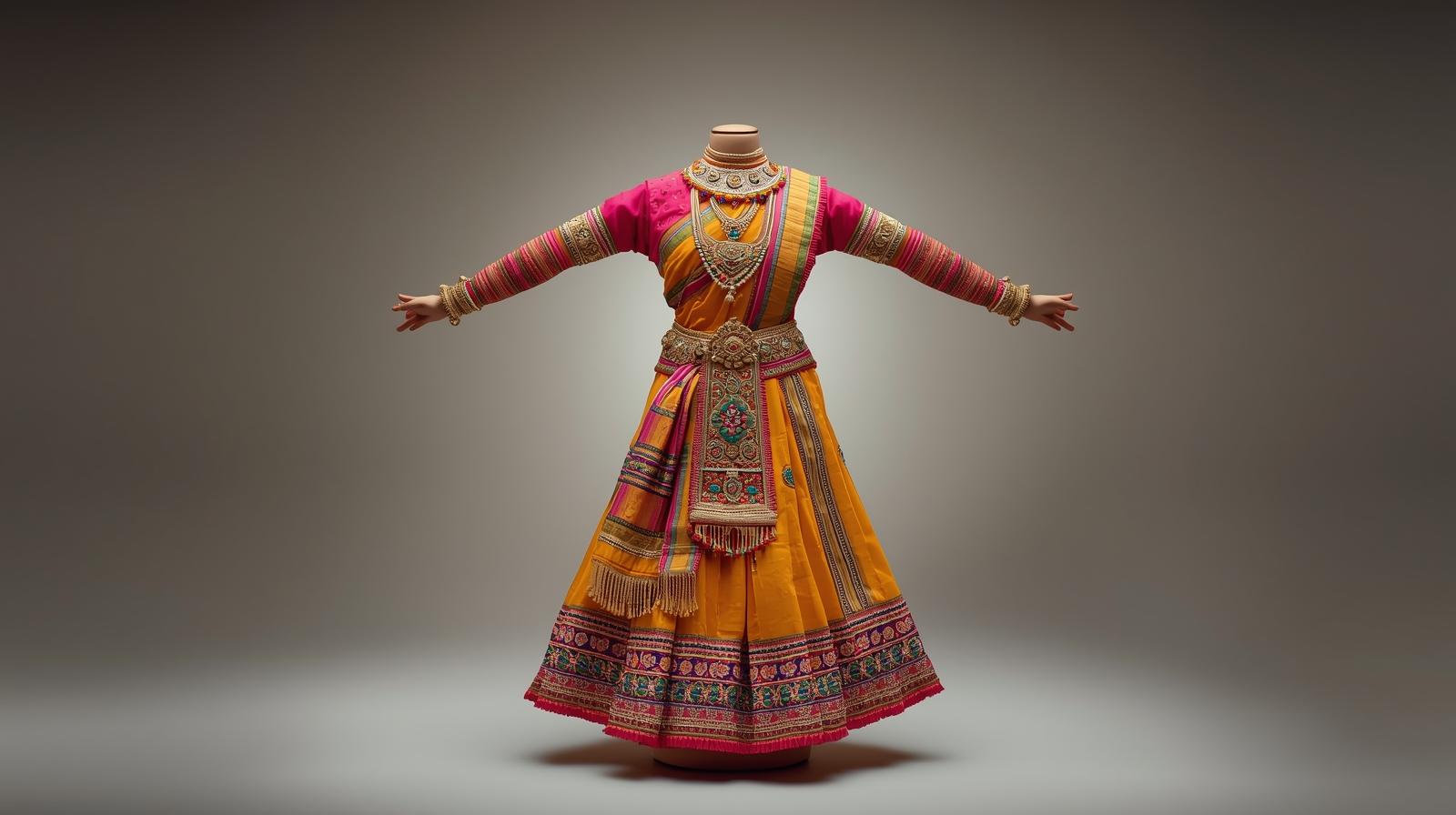
High-quality silk is the preferred fabric for the kuchipudi sari, chosen for its lustrous finish and durability. Skilled artisans handcraft these saris using techniques handed down through centuries, such as zari work and brocade weaving.
This craftsmanship not only beautifies the costume but also supports local textile economies and preserves artisan skills. The tactile sensation of the fabric plays a crucial role during the vigorous movements of the dance, contributing to the performer’s comfort and confidence.
Accessories That Complement Kuchipudi Costume
Beyond jewelry, several accessories enhance the overall ensemble:
- Anklets: Essential for producing rhythmic sounds that synchronize with footwork.
- Hair Ornaments: Typically flowers like jasmine and decorative pins shape the dancer’s traditional hairstyle.
- Bindi and Forehead Decorations: Highlight important expressions and symbolize spiritual aspects of the dance.
These components come together to create a comprehensive look that honors the cultural roots of Kuchipudi.
How to Care for Your Kuchipudi Dance Costume and Jewelry?
Proper care extends the lifespan of these delicate costumes and jewelry. Saris should be dry-cleaned or gently hand-washed in mild detergents to preserve fabric and color quality. Jewelry requires careful handling to avoid dents or tarnish, often stored separately in soft cloth bags.
Regular maintenance fits within the dancer’s discipline, reflecting respect for the cultural heritage expressed through the costume.
The Influence of Kuchipudi Costume in Contemporary Performances
Modern Kuchipudi dancers often blend traditional elements with contemporary fashion sensibilities, experimenting with colors, materials, or minimalistic designs. This evolution helps in attracting new audiences and adapting the dance form for global stages while honoring its origins.
Such innovative approaches are documented in recent dance festivals where costume designers collaborate closely with performers to maintain authenticity alongside modern aesthetic appeal.
What Are the Symbolic Meanings Embedded in the Kuchipudi Dance Costume?
Each aspect of the costume carries symbolism. Colors represent various emotions and divine attributes—red for power, green for fertility, and gold for prosperity. Jewelry patterns often depict mythological motifs, connecting performers with ancient narratives.
This symbolism transforms the costume from mere attire into a storytelling medium, enriching the audience’s experience beyond visual appeal.
The Role of Costume in Storytelling Within Kuchipudi Dance
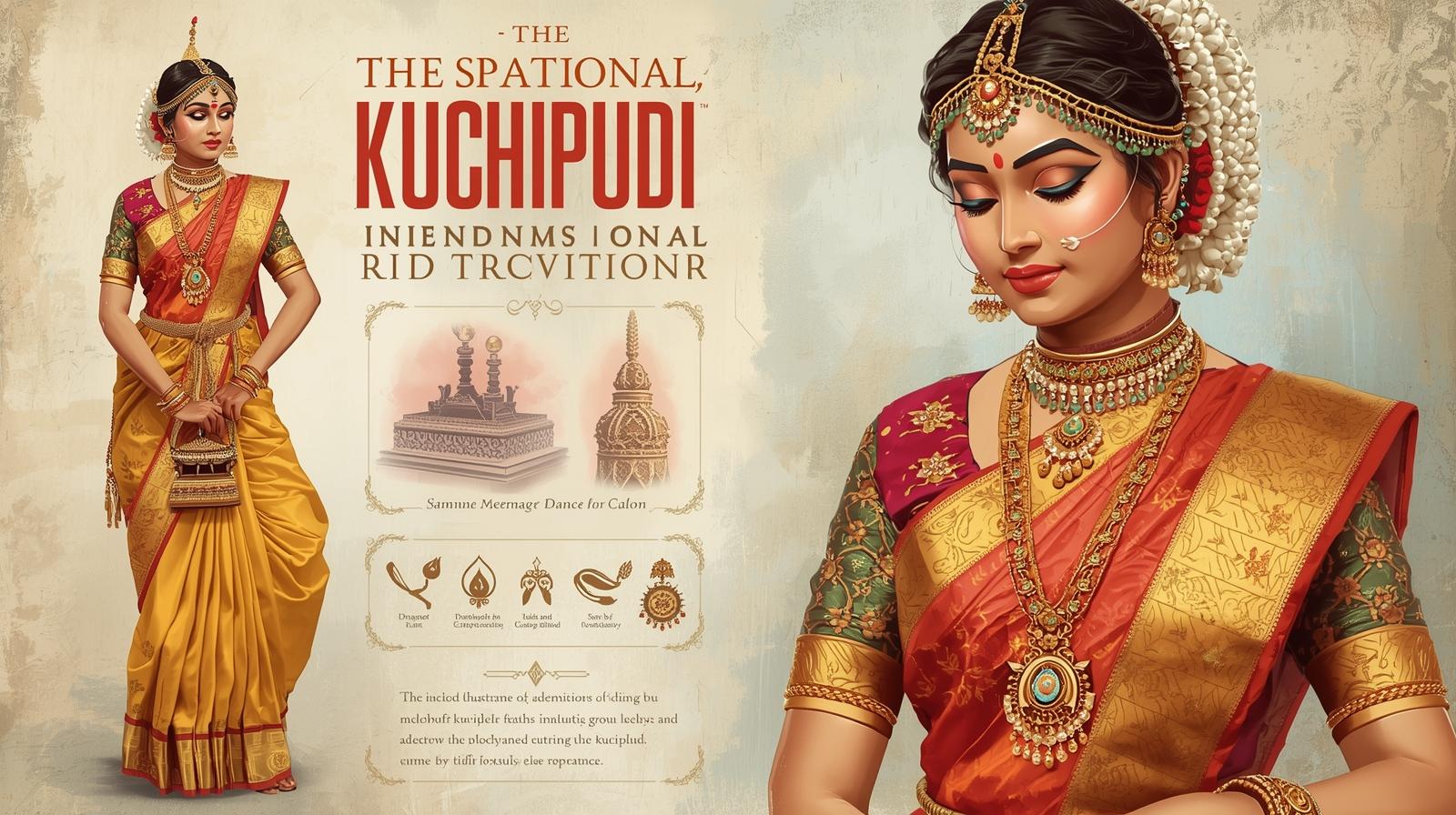
The kuchipudi dance costume is not merely decorative; it actively participates in storytelling. Flowing pleats and mirrored embellishments enhance the portrayal of characters and emotions. Costume elements facilitate visual cues that complement the dance’s narrative, helping performers to communicate stories from ancient Indian epics effectively.
By integrating carefully designed costumes, dancers elevate the overall dramatic impact of the performance.
As you explore the rich tradition of Kuchipudi, consider the artistry behind each costume piece. For those inspired to delve deeper into this elegant dance form, Kailasakaladhara offers valuable resources, lessons, and expert guidance to nurture your passion for classical dance culture.
For more tailored advice on the perfect kuchipudi dance costume and tips on accessories and makeup, feel free to contact us at kailasa kaladhara.
FAQs
- What fabric is traditionally used for Kuchipudi dance costumes? Silk is traditionally used due to its sheen and durability.
- Why is jewelry significant in Kuchipudi dance? It enhances expressions and symbolizes cultural themes.
- Can the Kuchipudi costume be modernized? Yes, many contemporary dancers adapt the costume while retaining tradition.
- How is makeup applied for Kuchipudi dance? Emphasis is placed on eyes and lips to highlight expressions.
- Where can I learn authentic Kuchipudi dance? Kailasakaladhara offers professional Kuchipudi dance courses and guidance.