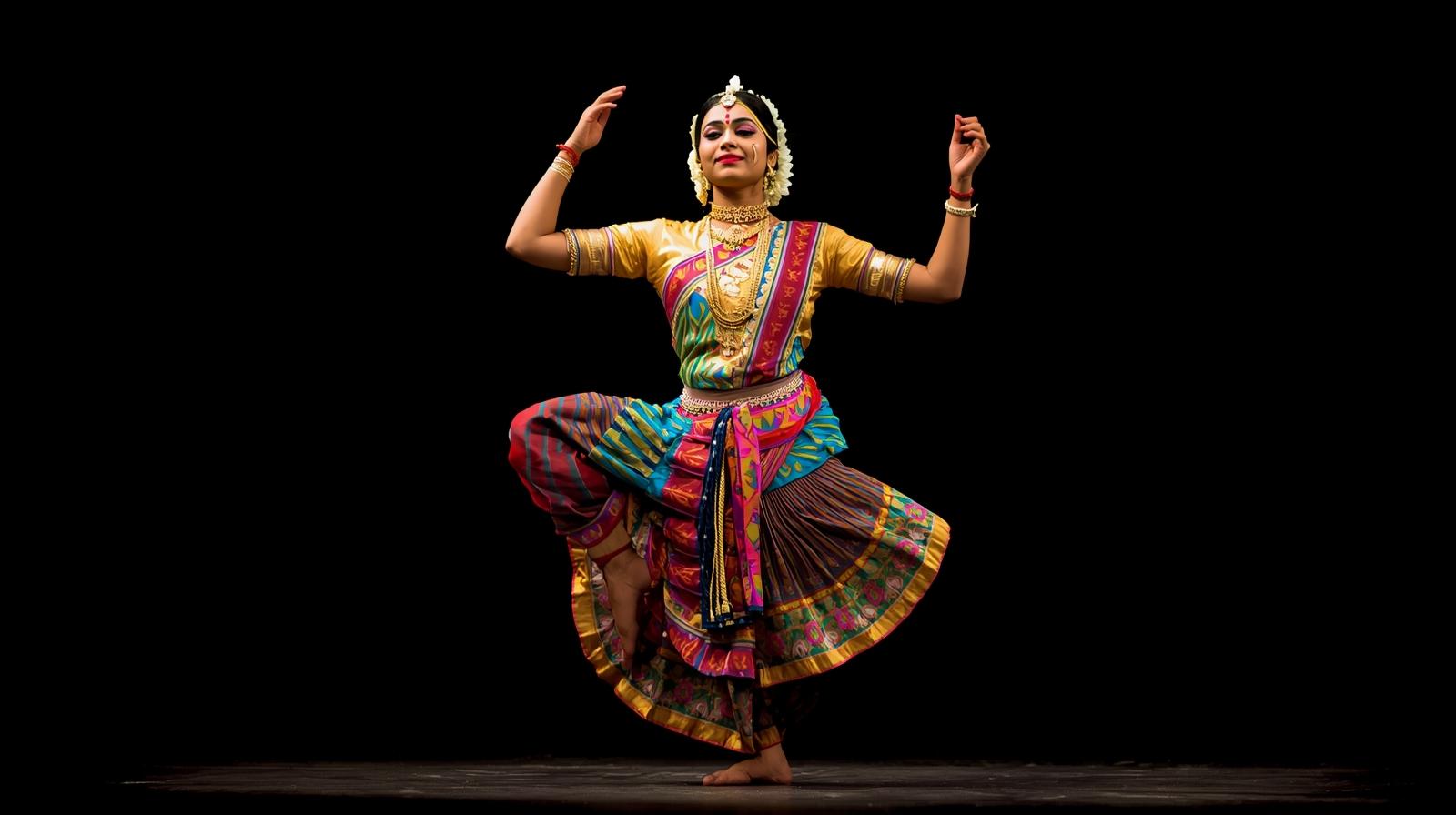
Kuchipudi dance is a vibrant and graceful Indian classical dance form known for its intricate footwork, expressive gestures, and storytelling tradition. Originating in the Krishna district of Andhra Pradesh, this dance form beautifully combines spirituality, mythology, and theatrical elements to captivate audiences. This article dives deep into kuchipudi dance, exploring its rich history, unique techniques, and its continuing evolution as one of the revered traditional dance forms of India. For anyone intrigued by kuchipudi dance, this exploration provides both context and inspiration.
What sets Kuchipudi dance apart from other Indian classical dances?
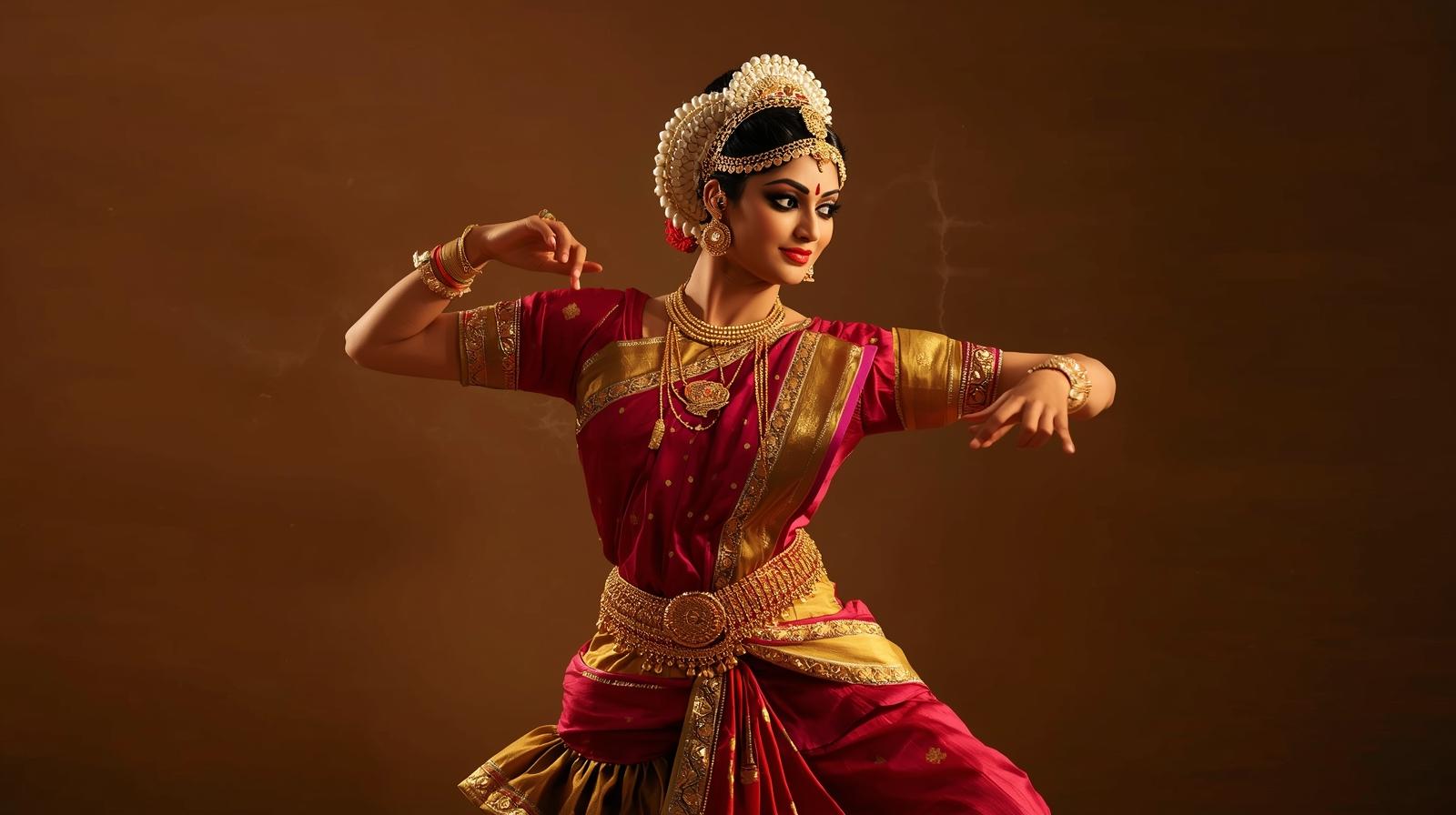
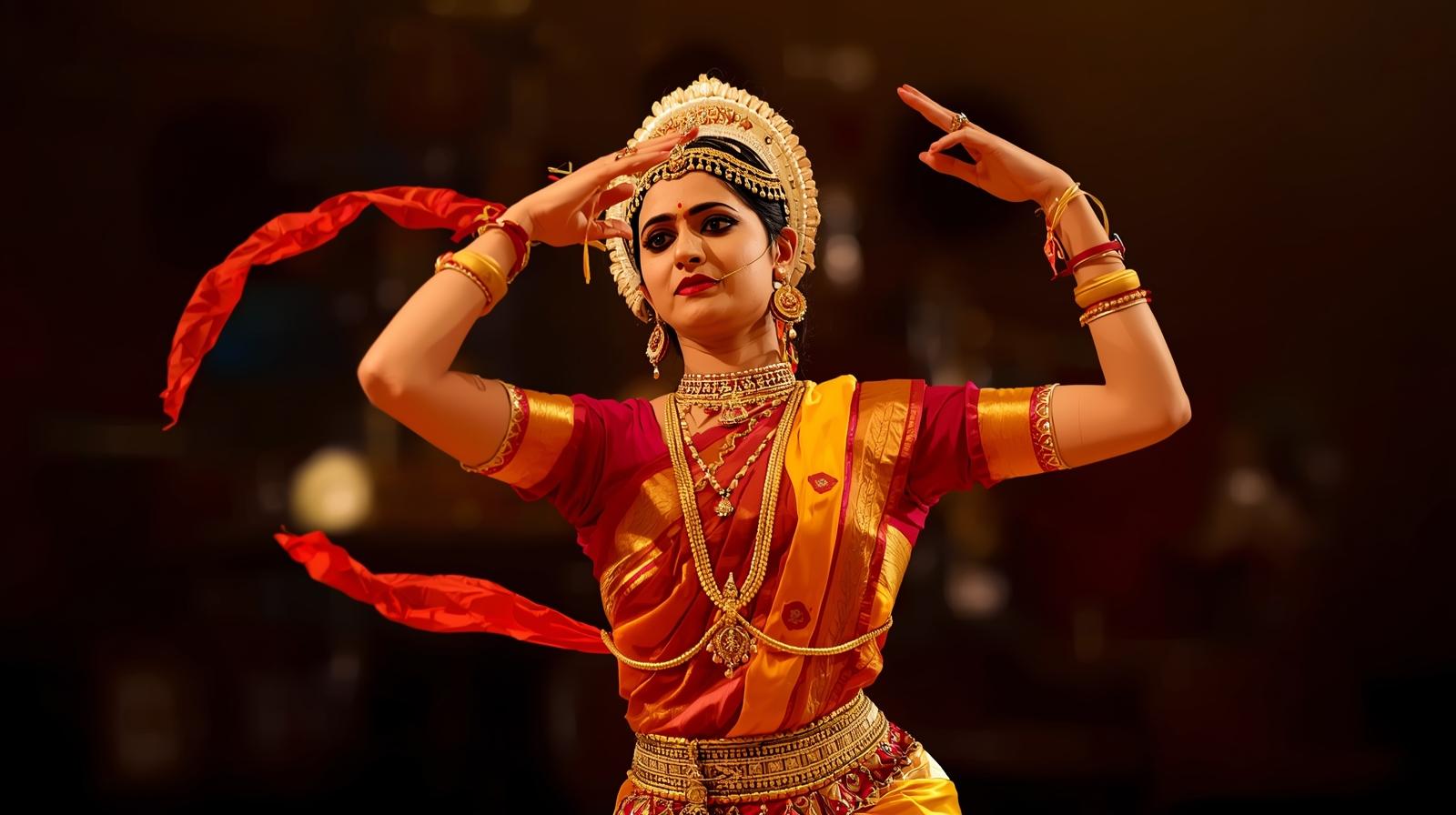
Kuchipudi dance distinguishes itself with a seamless blend of rhythmic patterns and dramatic storytelling. Unlike other Indian classical dance forms that focus primarily on pure dance (nritta), kuchipudi incorporates strong narrative (nritya) aspects with expressive facial communication (abhinaya). It often dramatizes scenes from Hindu epics like the Ramayana and Mahabharata, using a sophisticated system of mudras (hand gestures) and eye movements to convey intricate emotions.
The Legendary Founder Behind Kuchipudi Dance
The dance form is traditionally attributed to Siddhendra Yogi of the 17th century, revered as the father of kuchipudi dance. His seminal work transformed the Kuchipudi village dance tradition into a structured classical performance art. Siddhendra Yogi’s vision included creating dance-dramas that combined spiritual themes with elaborate choreography, making the art form accessible and deeply engaging.
How has Kuchipudi preserved the cultural heritage of Andhra Pradesh?
Kuchipudi is an integral expression of Andhra Pradesh dance culture, reflecting the region’s religious fervor and artistic innovation. Annual festivals and temple performances keep the tradition alive, alongside modern stages worldwide. The dance form embodies local narratives, devotional practices, and musical styles unique to Andhra Pradesh, securing a cultural continuity that spans centuries. These elements form the fabric of regional identity while attracting global appreciation for Indian classical dance arts.
The Essential Components of Kuchipudi Dance
- Nritya (expressive dance): Involves emotive storytelling through mudras and facial expressions.
- Nritta (pure dance): Technical footwork, rhythm, and intricate movements.
- Abhinaya: The art of expression that links dance steps with emotions and narrative.
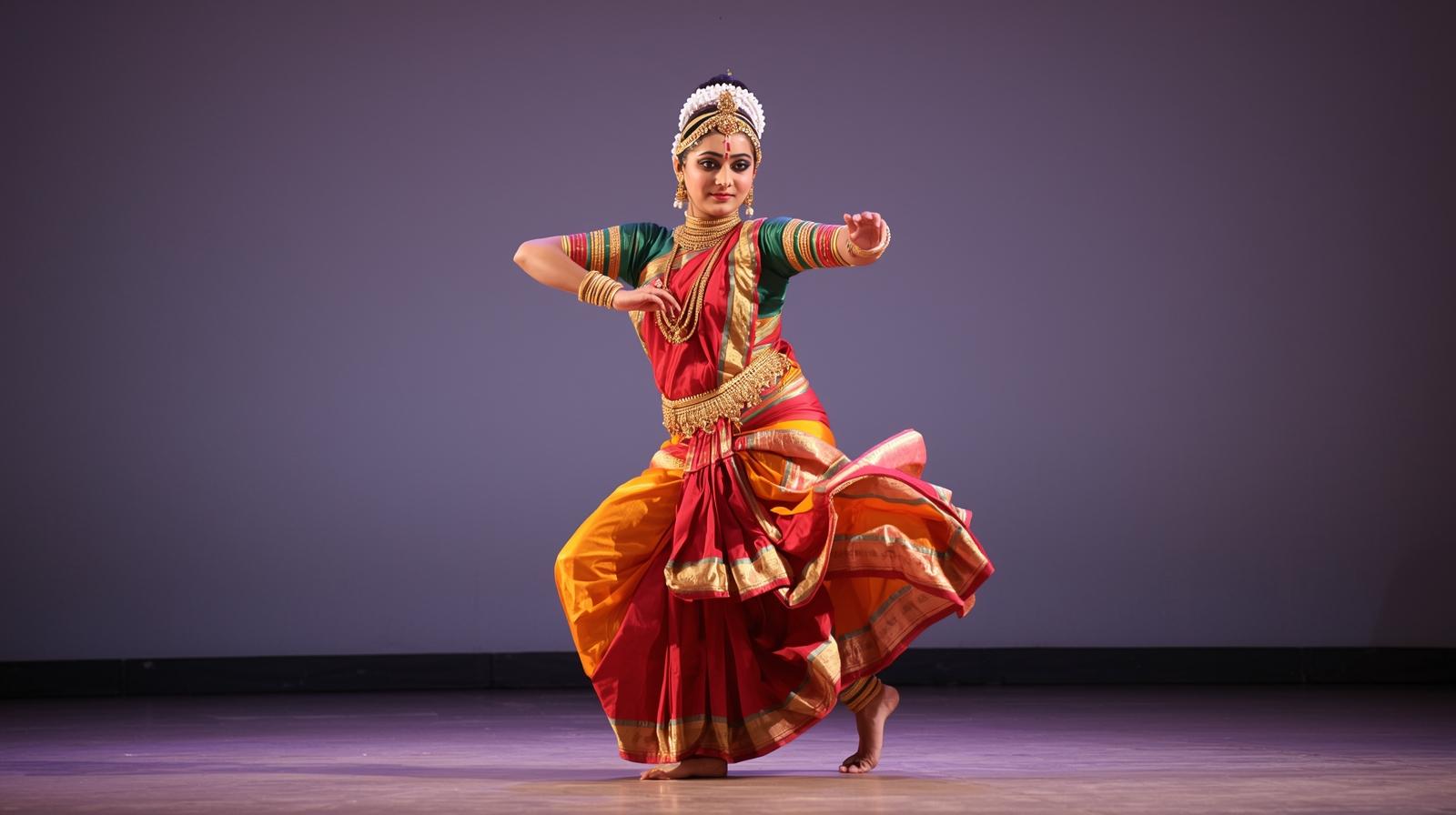
- Costumes and Music: Traditional sarees or dhotis worn by dancers, accompanied by Carnatic music rhythms.
Choreography and Music – How Do They Interact in Kuchipudi?
The choreography of kuchipudi dance harmonizes meticulously with classical Carnatic music, which provides the rhythmic foundation and emotional landscape. The taal (beat cycles) frame the timing for footwork, while the melodic lines inspire the mood of stories depicted. This synergy creates performances rich in technical precision and emotional depth, captivating both connoisseurs and casual audiences.
Kuchipudi Today: How Is It Evolving in Contemporary Times?
Kuchipudi dance continues to adapt by integrating modern themes and experimental presentations without sacrificing its classical roots. Institutions and dancers worldwide are expanding its reach through digital platforms and international festivals. Incorporating contemporary subjects and fusion projects, kuchipudi retains relevance for younger generations, contributing dynamically to India’s classical dance panorama.
What training is required to master Kuchipudi dance?
Learning kuchipudi demands rigorous practice, usually beginning at a young age under a guru’s guidance. Aspiring dancers focus on mastering the complex footwork, hand gestures, facial expressions, and storytelling skills essential to the art form. Daily rehearsals build stamina and precision, while comprehensive knowledge of mythology and music underpin the performance authenticity.
Comparing Kuchipudi with Other Traditional Dance Forms
| Aspect | Kuchipudi | Bharatanatyam | Odissi |
|---|---|---|---|
| Origin | Andhra Pradesh | Tamil Nadu | Odisha |
| Style | Narrative, dance-drama | Poised, geometric poses | Fluid, lyrical movements |
| Costume | Dhotis and sarees | Sarees with temple jewelry | Sarees with silver jewelry |
| Music | Carnatic | Carnatic | Odissi music |
| Themes | Mythological epics | Spiritual tales | Religious and romantic |
 Why is Kuchipudi dance important to the preservation of Indian art?
Kuchipudi dance is a vital thread in the tapestry of traditional dance forms that preserve India’s rich heritage. Its elaborate storytelling preserves ancient lore and values, transmitting them through generations. By maintaining classical standards alongside innovation, kuchipudi sustains cultural identity and promotes Indian art on global stages. The blend of performance arts makes it a cornerstone for cultural education and artistic appreciation.
Discover more about Indian Classical Dance
Indian classical dance is a vast and diverse field encompassing styles like Bharatnatyam, Kathak, Odissi, and kuchipudi dance. Each style carries unique traits yet shares a common goal: storytelling through expressive movement and music. To experience more insights and updates on Indian classical dance, visiting specialized dance course platforms is highly recommended for enthusiasts and practitioners alike. Such engagement supports the living tradition and inspires new artists.
For anyone wishing to delve deeper or start their journey with this mesmerizing form, exploring expert classes and performances through resources like Indian classical dance communities can be very enlightening.
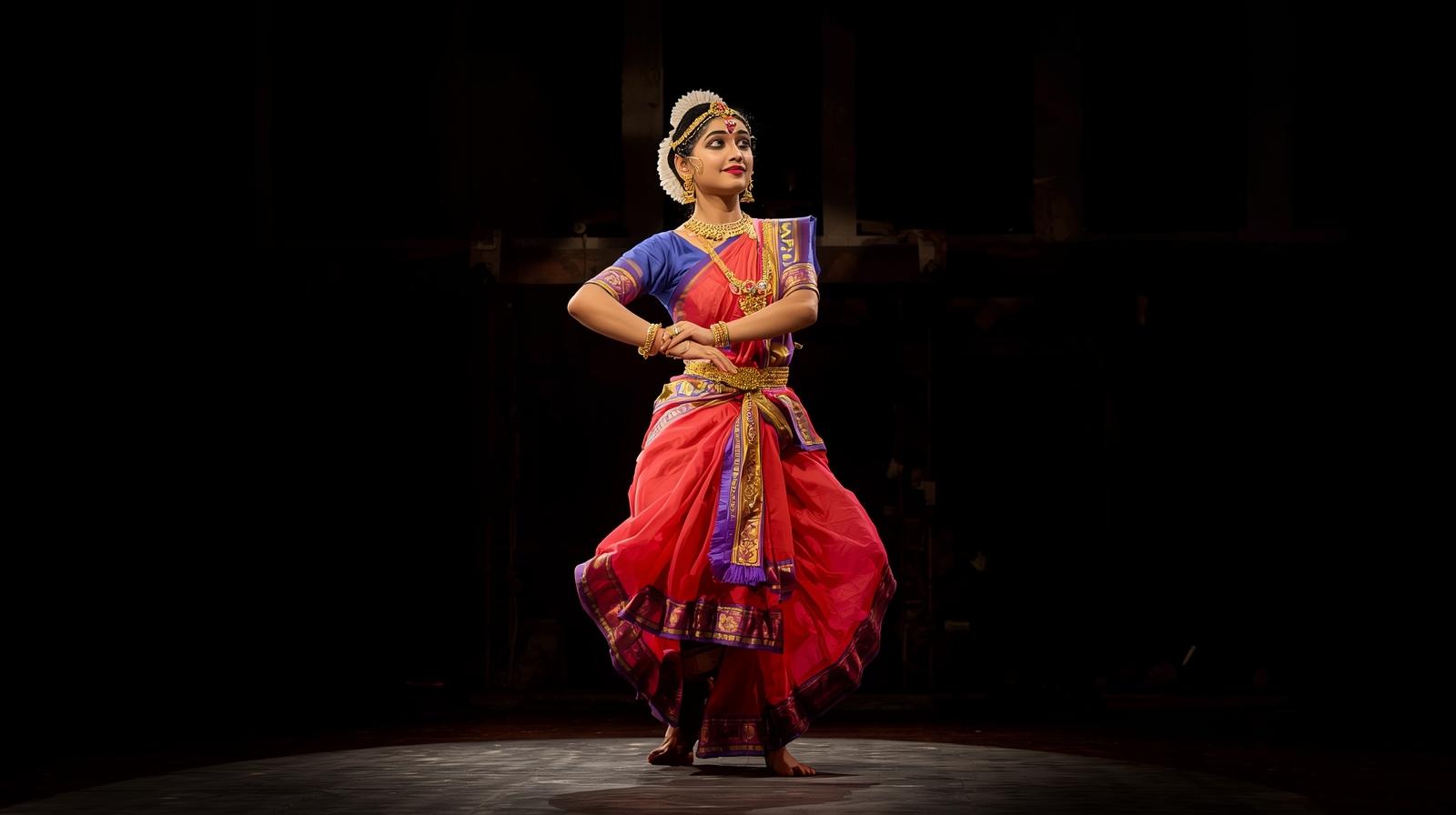
To sum up, kuchipudi dance remains not only a treasured cultural legacy of Andhra Pradesh but a dynamic performing art that continues to enchant audiences worldwide. Whether you’re a passionate learner or an admirer of Indian cultural history, understanding the nuances and traditions of kuchipudi brings you closer to India’s artistic soul. For personalized guidance and the latest insights, don’t hesitate to reach out to kailasa kaladhara for contact us details and information on classical dance courses.
FAQs
- What is Kuchipudi dance? – It is a classical dance form from Andhra Pradesh known for its narrative style and expressive gestures.
- Who founded Kuchipudi dance? – Siddhendra Yogi is traditionally credited as the father of kuchipudi dance.
- What music accompanies Kuchipudi? – Carnatic classical music primarily supports kuchipudi performances.
- Is Kuchipudi suitable for beginners? – Yes, with dedication and proper guidance, beginners can learn kuchipudi dance.
- Where can I learn authentic Kuchipudi dance? – Dance academies like kailasa kaladhara offer classical kuchipudi training programs.