Kuchipudi is a mesmerizing Indian classical dance form that originates from Andhra Pradesh, renowned for its rich temple dance tradition. This art form elegantly combines narrative storytelling and intricate footwork, captivating audiences worldwide. In this blog, we will journey through the origins, unique features, and cultural significance of Kuchipudi, shedding light on its evolution and impact. To discover more about this fascinating dance style, visit kuchipudi.
How Did Kuchipudi Originate and Evolve Over Time?
Kuchipudi traces its roots back to the 17th century in Andhra Pradesh. Traditionally performed by Brahmin males in villages around Machilipatnam, this dance was initially a form of temple ritual or spiritual offering. The credit for formalizing Kuchipudi is often given to Siddhendra Yogi, a saint and scholar, who structured the dance-drama format known as Yakshagana. Over the centuries, Kuchipudi has evolved from temple performances to grand stage presentations without losing its essence of devotional storytelling.
Distinctive Features That Set Kuchipudi Apart
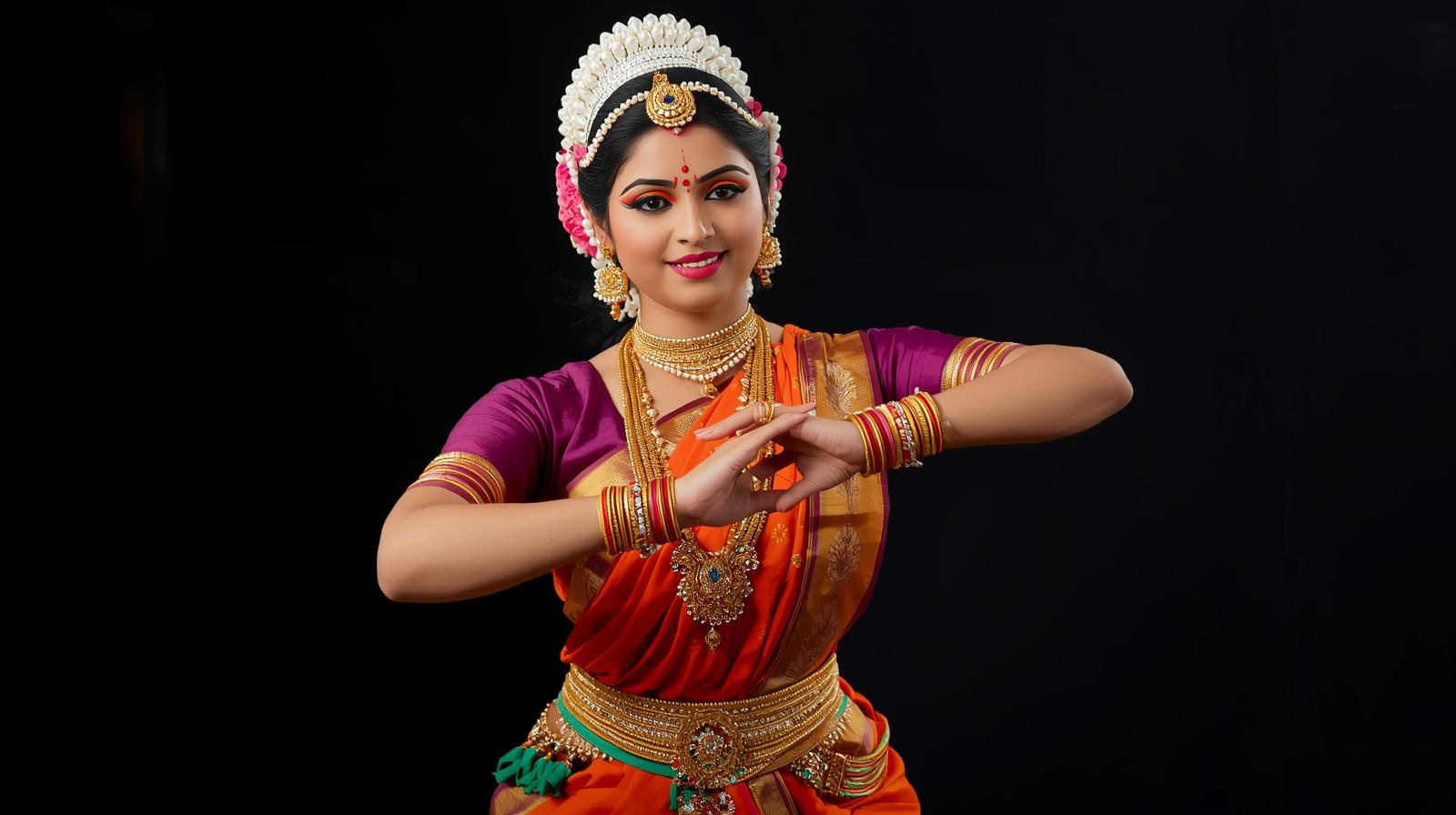
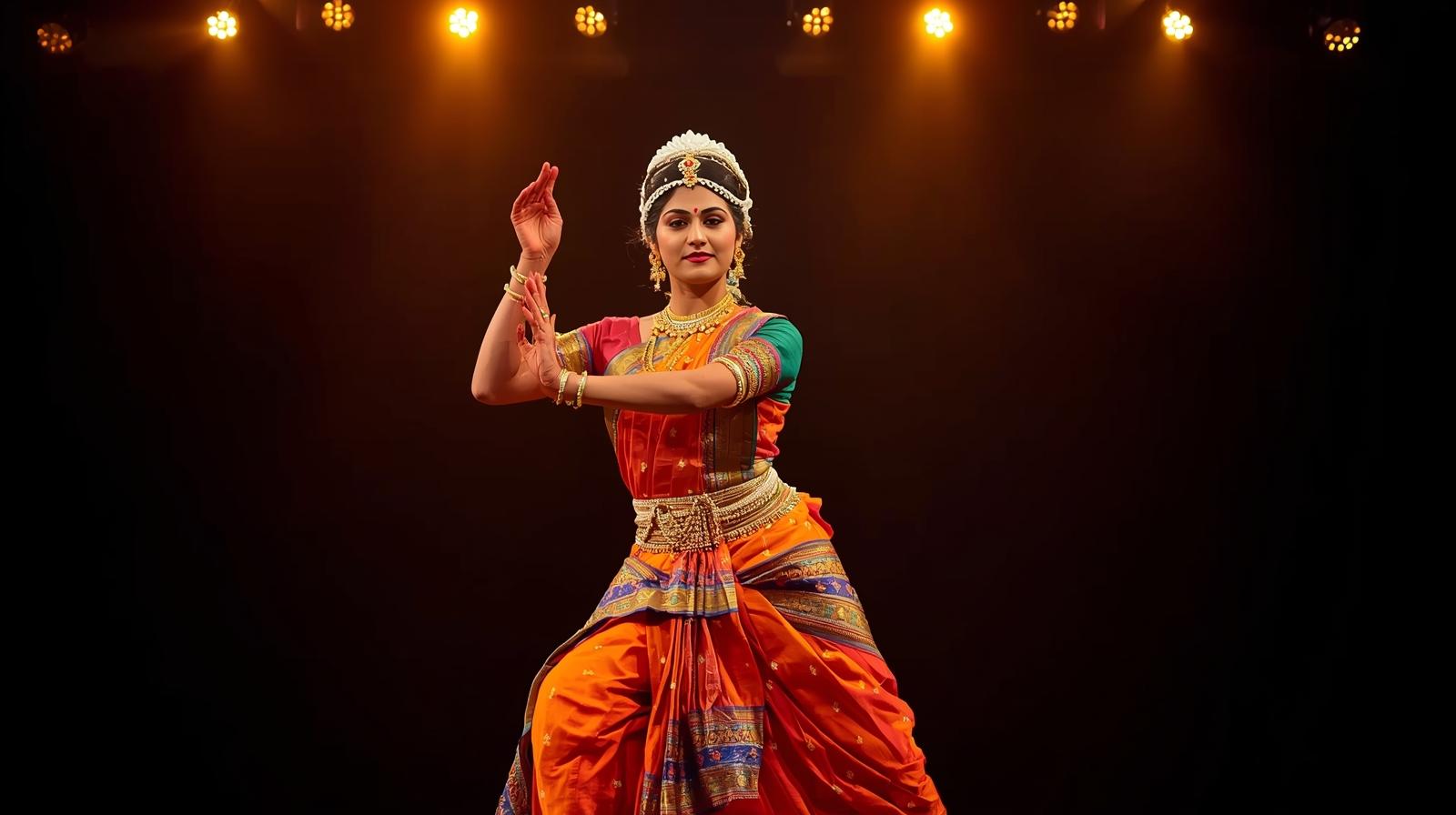
Unlike other Indian classical dances, Kuchipudi blends fluid movements with dramatic expressions and quick rhythmic footwork. It often incorporates both pure dance (nritta) and expressive gestures (abhinaya) to narrate mythological tales. Notably, Kuchipudi involves unique tales that convey spiritual philosophy through elegant hand gestures and facial expressions.
The Role of Temple Dance Tradition in Kuchipudi
Temple dance tradition plays a significant role in maintaining the spiritual depth of Kuchipudi. Initially, performances were dedicated to deities such as Lord Krishna and Shiva, acting as an offering and a way to invoke divine blessings. The rhythm, music, and theatrical elements were all designed to create a sacred atmosphere, closely connected to temple rituals.
Comparing Kuchipudi to Other Indian Classical Dance Forms
| Aspect | Kuchipudi | Bharatanatyam | Kathak |
|---|---|---|---|
| Origin | Andhra Pradesh | Tamil Nadu | North India |
| Performance Style | Dance-drama with dialogues | Temple-based pure dance | Rhythmic footwork & spins |
| Typical Themes | Mythological stories | Religious themes | Love and devotion |
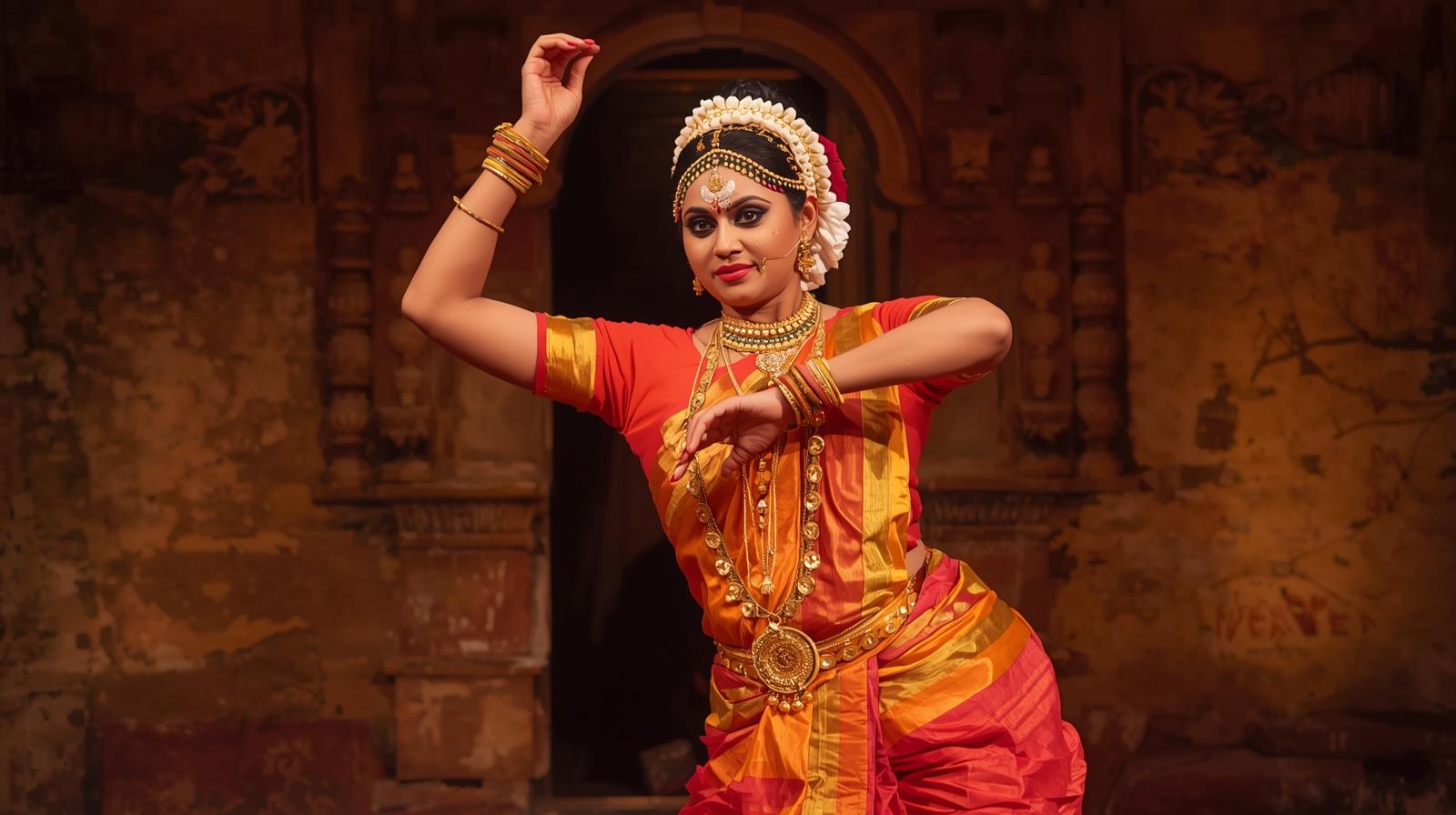
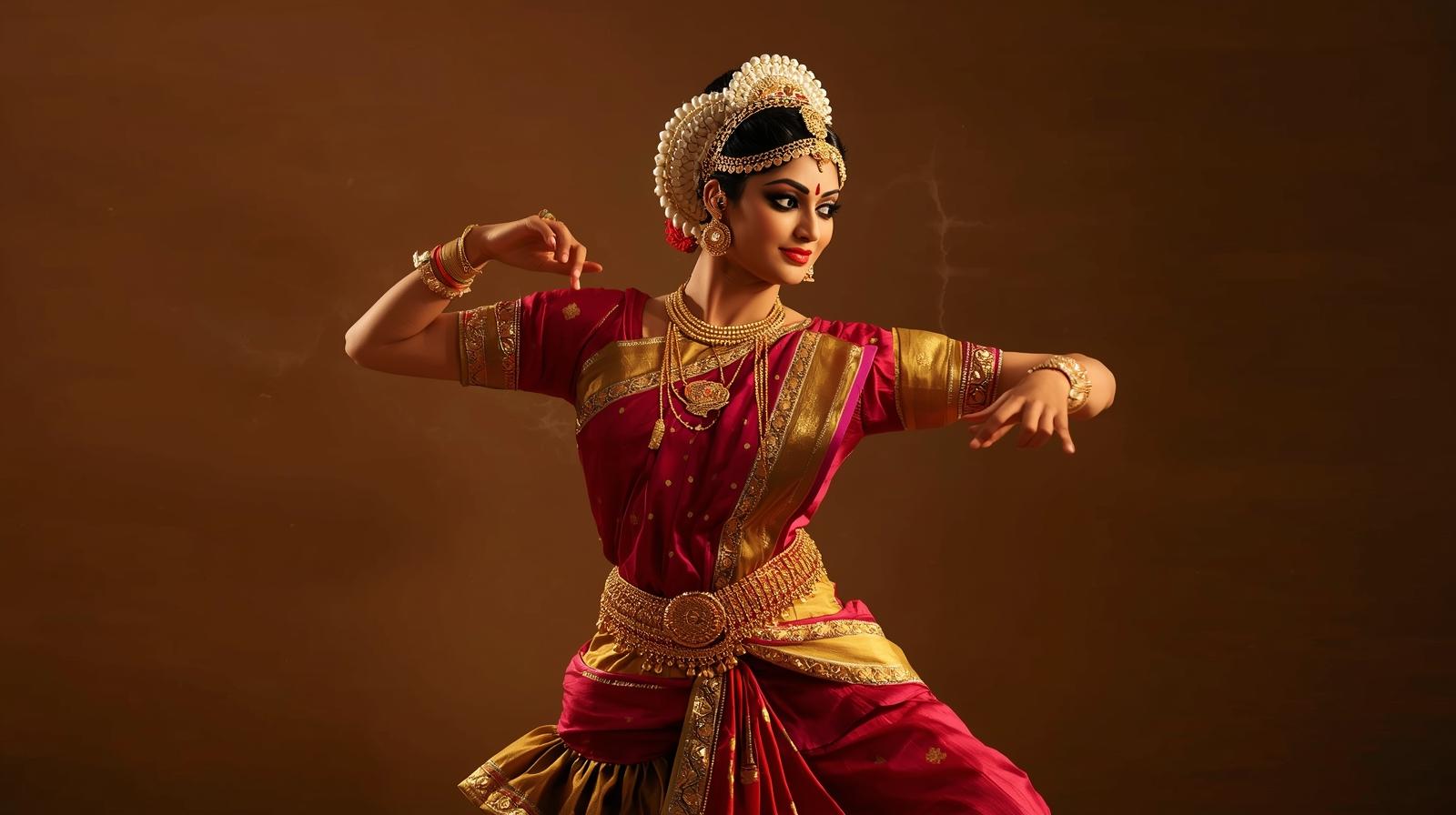
| Costuming | Traditional sari with bells | Temple-inspired sari | Flowing skirts & churidars |
Can Kuchipudi Be Taught to Anyone Interested?
Absolutely, Kuchipudi welcomes learners from all ages who have passion and dedication. Although rooted in Andhra Pradesh, the dance has found patrons globally. Classes focus on building physical stamina, rhythm, and expressions gradually. Many professional institutions now offer structured courses that cultivate the deep skills needed for mastery. Explore beginner-friendly tips and detailed guidance by visiting this Indian classical dance resource.
The Music and Instruments That Accompany Kuchipudi
Music forms the heartbeat of Kuchipudi, typically featuring melodic instruments like the mridangam, violin, flute, and tambura. The rhythmic patterns (tala) guide the dancer’s movements while vocal renditions narrate the stories. This symbiotic relationship between music and dance creates an immersive experience for spectators.
Cultural Significance and Its Influence on Society
Kuchipudi not only entertains but also educates by preserving Hindu mythology and spiritual teachings. Performances at temple festivals reinforce community bonds and cultural identity in Andhra Pradesh. Globally, Kuchipudi showcases India’s rich artistic heritage and influences contemporary dance productions, bridging traditional and modern narratives.
What Are the Essential Elements of a Kuchipudi Performance?
- Nritta (pure dance movements)
- Nritya (expressive movements)
- Natya (dramatic storytelling)
- Hand gestures (mudras) and facial expressions
- Vibrant costumes and jewelry
- Live classical music accompaniment
Notable Personalities Who Shaped Kuchipudi
Several eminent personalities have contributed to the proliferation of Kuchipudi. Siddhendra Yogi is recognized as the father of this art form. In modern times, dancers like Vempati Chinna Satyam have been instrumental in taking Kuchipudi to international stages. Their efforts have helped adapt the temple tradition into a dynamic performance art appreciated worldwide.
Modern Innovations Within the Kuchipudi Landscape
While preserving classical elements, Kuchipudi artists today experiment with contemporary themes and fusion styles. These innovations include integrating new narratives, collaborating with other dance genres, and using technology to enhance stage presentations. Such approaches ensure Kuchipudi remains vibrant and relevant to new generations without compromising its spiritual core.
Where Can You Experience Authentic Kuchipudi Performances?
Audiences can see authentic Kuchipudi performances in Andhra Pradesh’s temple festivals or at cultural events around the globe. Many renowned dance institutions and repertories organize recitals regularly. If you want to explore and learn Kuchipudi, visiting dance schools like Kailasakaladhara offers detailed courses and workshops that nurture beginners to advanced performers alike.
In conclusion, kuchipudi remains a sparkling jewel in India’s classical dance crown with its unique blend of dramatic storytelling, rhythm, and temple heritage. Thanks to efforts by artists and institutions, this Andhra Pradesh dance form continues to enchant and inspire. For those eager to delve deeper or start their journey in this captivating art form, Kailasakaladhara provides the perfect platform to learn, grow, and celebrate Kuchipudi. Feel free to contact us for further tips, updates, or inspiration.
FAQs
- What is Kuchipudi dance? It is a classical Indian dance form from Andhra Pradesh known for its vibrant temple dance tradition and storytelling.
- Who is considered the father of Kuchipudi? Siddhendra Yogi is credited with formalizing Kuchipudi dance-drama styles.
- Can beginners learn Kuchipudi easily? Yes, with proper training and dedication, beginners can learn the basics and advance gradually.
- What instruments accompany Kuchipudi performances? Instruments like mridangam, violin, flute, and tambura typically accompany Kuchipudi.
- Is Kuchipudi performed only by men? Traditionally yes, but today both men and women perform Kuchipudi professionally worldwide.