
Ghungroos (ankle bells) are more than decorative ornaments; they are a dancer’s sacred acoustic instrument. Every stamp of the foot produces musical dialogue between bells and floor. Choosing the right weight, bell count, and mounting system protects ankle tendons while delivering clear, ringing resonance.
Using bells that are too heavy or tying them improperly can lead to chafing, restricted blood circulation, and Achilles tendon strain. Here is the definitive guide to selecting and maintaining your classical ghungroos.
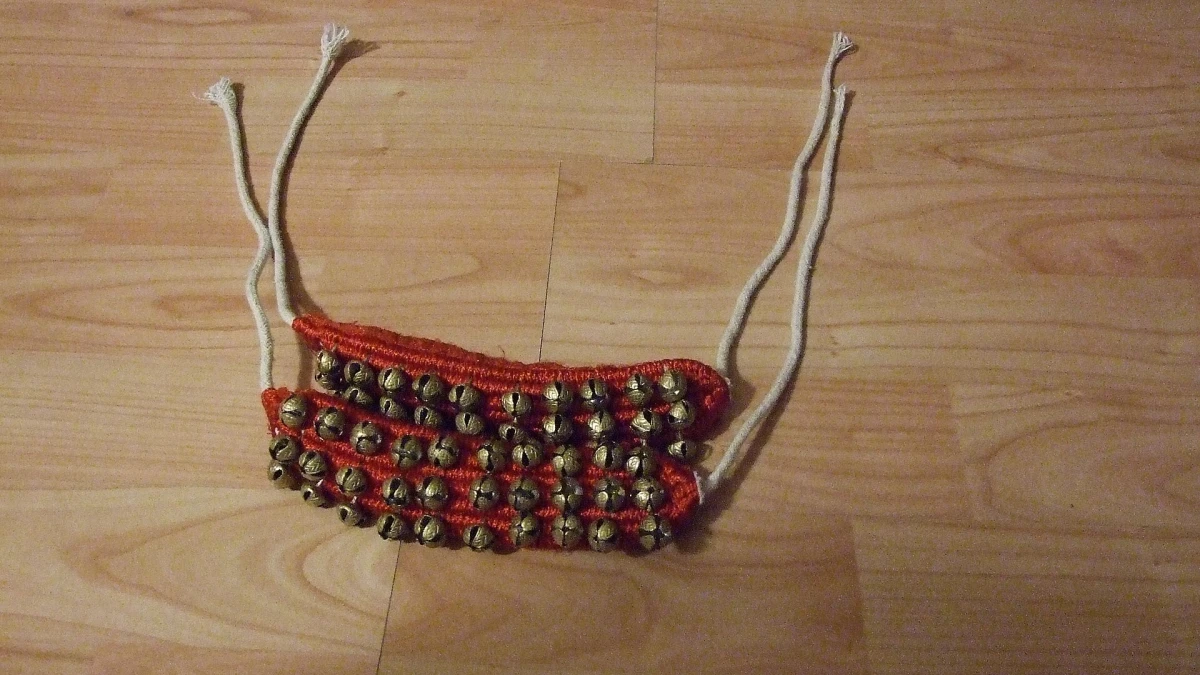
Bharatanatyam vs. Kathak Ghungroos: Crucial Differences
Different dance styles use completely different mounting systems suited to their movement mechanics:
- Bharatanatyam & Kuchipudi (Leather / Velvet Pads): Bells are sewn firmly onto a padded leather or velvet strap with sturdy brass buckles. The padding protects the shins during heavy flat-footed Aramandi stamps. Beginners start with 2 to 3 rows (25 to 35 bells per foot), advancing to 4 or 5 rows (50 bells).
- Kathak (Woven Cotton Cords): Kathak dancers string bells individually onto thick woven cotton ropes without padding. This allows the bells to jingle with subtle heel-and-toe micro-movements. Kathak students begin with 50 bells per leg, advancing to 100 or 150 bells for stage concerts.
How to Select Quality Brass Bells
Look for solid cast brass bells rather than pressed sheet metal. Cast brass bells feature clean spherical seams, heavy iron pellets inside, and produce a warm, sustained chime rather than a harsh tinny rattle.
Inspect the loops on each bell. Smooth, rounded loops ensure the cord will not fray under vigorous stage movement.
For parents outfitting young learners, our mentors offer guidance during enrollments across our comprehensive dance programs.
Step-by-Step Technique for Tying Kathak Rope Ghungroos
Follow this method to prevent your bells from slipping or digging painfully into your ankle bones:
- Wear Cotton Padding: Wrap a soft cotton ankle band or thin dancer sock around the lower shin to protect against skin friction.
- Start Above the Ankle Bone: Never tie bells directly over the protruding malleolus bone. Begin wrapping two finger-widths above the ankle.
- Wrap in Even Spirals: Wind the rope around the leg in snug, overlapping coils without excessive tension. Check that you can comfortably flex your foot without tightness.
- Tuck and Secure: Tie the ends into a secure double knot and tuck excess string tightly under the wrapped coils. Never leave loose strings dangling.
Frequently Asked Questions
How do I clean tarnished brass ghungroos?
Wipe bells with a dry microfiber cloth after every practice to remove perspiration salts. For deep cleaning, apply mild brass polish with an old toothbrush, wipe dry, and store in a breathable cloth pouch with silica gel packets.
Can heavy ghungroos cause knee injuries in young children?
Yes. Prematurely placing heavy 100-bell sets on young children places undue torque on growing knee joints. Always follow your Guru’s recommended bell count progression.













