Ganesha tanjore painting holds a special place in the heart of South Indian religious paintings, renowned for its vibrant colors, intricate details, and rich cultural heritage. This traditional Ganesha art form captivates art lovers and devotees alike, bringing to life the divine aura of Lord Ganesha through the exquisite Tanjore painting techniques. In this article, we explore the history, artistry, and significance of this revered art style, uncovering the fascinating world of Tanjore’s religious depictions and how they continue to inspire contemporary artists.
What Makes Ganesha Tanjore Painting Unique?
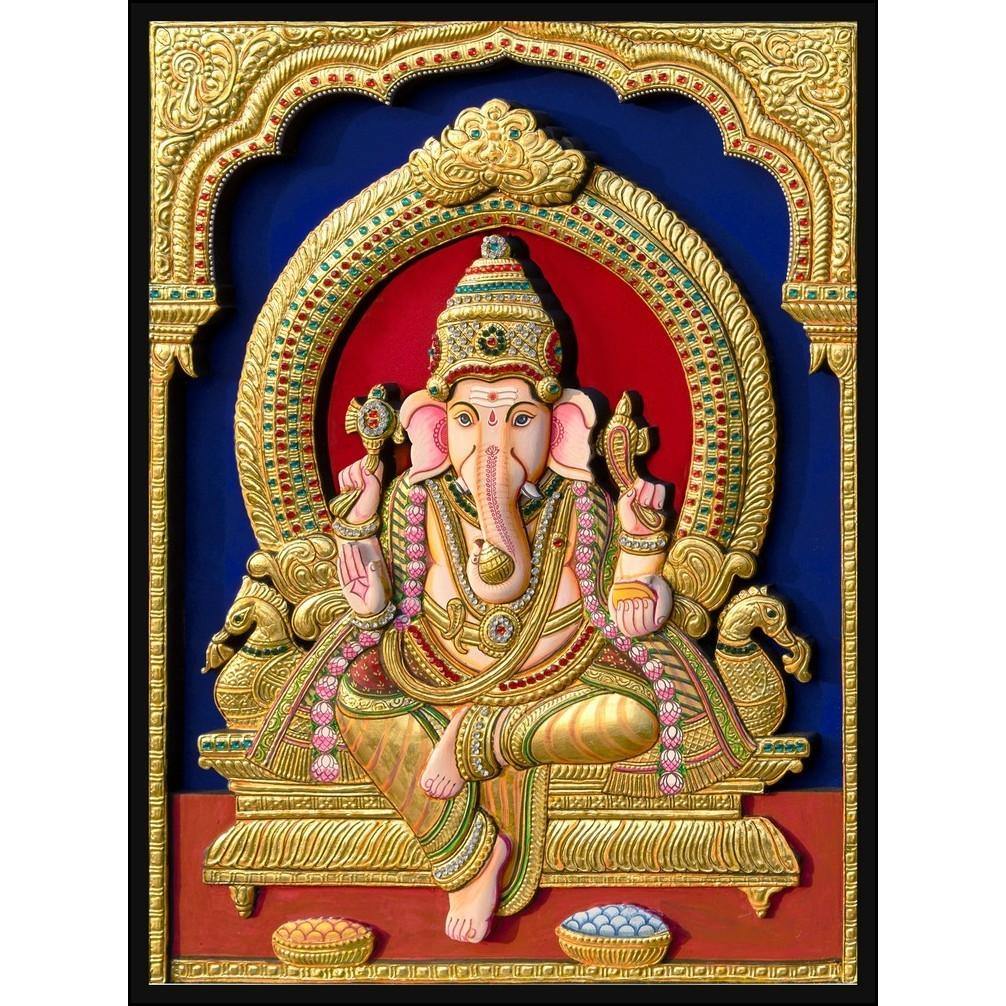
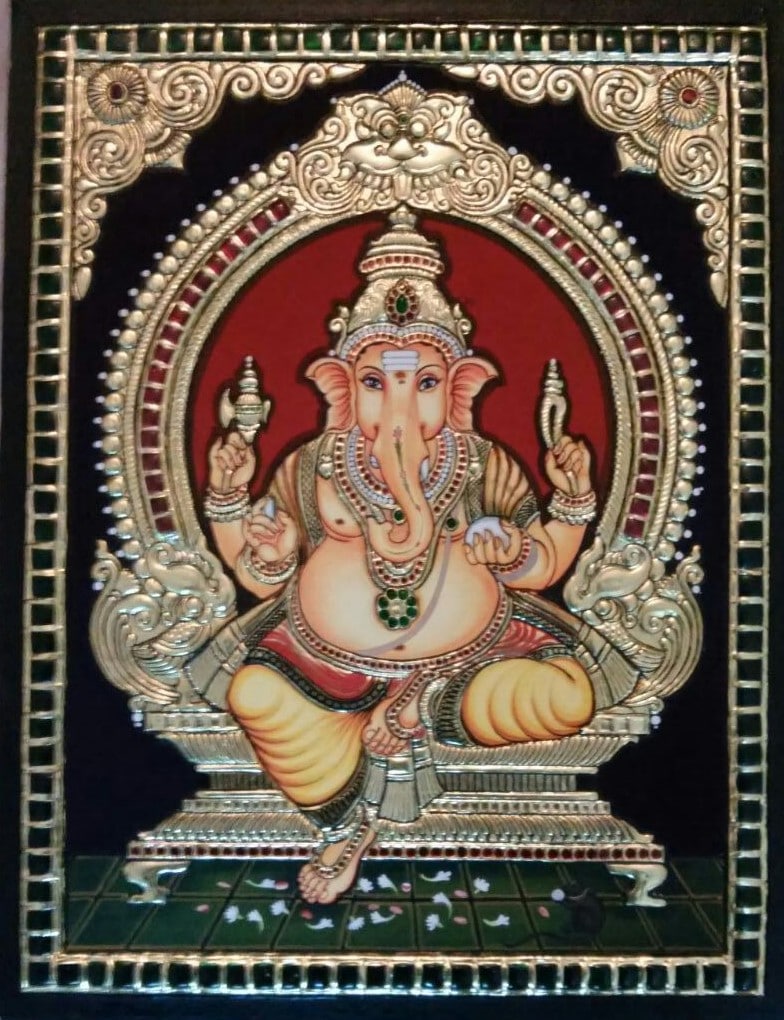
At its core, ganesha tanjore painting stands out due to its use of vivid, rich colors and the meticulous application of gold foil, which adds a majestic glow to the artwork. These elements elevate the depiction of Lord Ganesha, a figure revered widely as the remover of obstacles and the god of beginnings. The combination of glittering gold leaf and vibrant hues makes each piece a visual spectacle that reflects the grandeur of South Indian religious paintings.
Tracing the Origins of Traditional Ganesha Art
The roots of traditional Ganesha art can be traced back to ancient Tamil Nadu, where artisans began incorporating religious figures into their works using locally developed techniques. Tanjore paintings originated during the reign of the Maratha rulers in Tamil Nadu around the 16th century. The paintings were initially commissioned for temple walls and religious ceremonies, crafted by masters who carefully preserved these sacred depictions.
Legend attributes the innovation of Tanjore painting techniques to Raja Thulaja Nayak, a patron who supported temple art during the Maratha period, setting a benchmark for intricate art forms across South India.
How Is the Ganesha Tanjore Painting Created?
The creation of a ganesha tanjore painting requires several painstaking steps, combining artistry with traditional methods:
- First, a base is prepared using wood or cloth pasted on a wooden plank.
- Artists sketch the divine outline, focusing on balanced proportions and iconographic accuracy.
- A unique paste made from limestone and a binding medium is applied to create a 3D effect on certain areas such as jewelry and ornaments.
- Gold foils are carefully layered over the embossed sections to bring brilliance.
- Mineral and vegetable dyes are used to fill colors, achieving the signature vibrancy.
- Finally, fine brushwork enhances the details, giving life to the expressions and background motifs.
The Symbolism Behind Lord Ganesha in These Artworks
Lord Ganesha’s portrayal in Tanjore paintings is not just artistic but deeply symbolic. Each attribute carries meaning—his elephant head denotes wisdom, his large ears symbolize attentive listening, and his broken tusk represents sacrifice. These elements together inspire those who worship and appreciate the paintings, reminding viewers of spiritual principles and protection.
What Role Do Tanjore Painting Techniques Play in Religious Art?
Tanjore painting techniques have contributed immensely to South Indian religious paintings by preserving and visually narrating folklore and divine stories. The distinct technique enhances the sacredness of the subjects depicted, making them ideal for devotional settings. The craftsmanship ensures that the religious paintings are not only artistically impressive but also hold spiritual significance.
Evolution of Ganesha Art in Modern Times
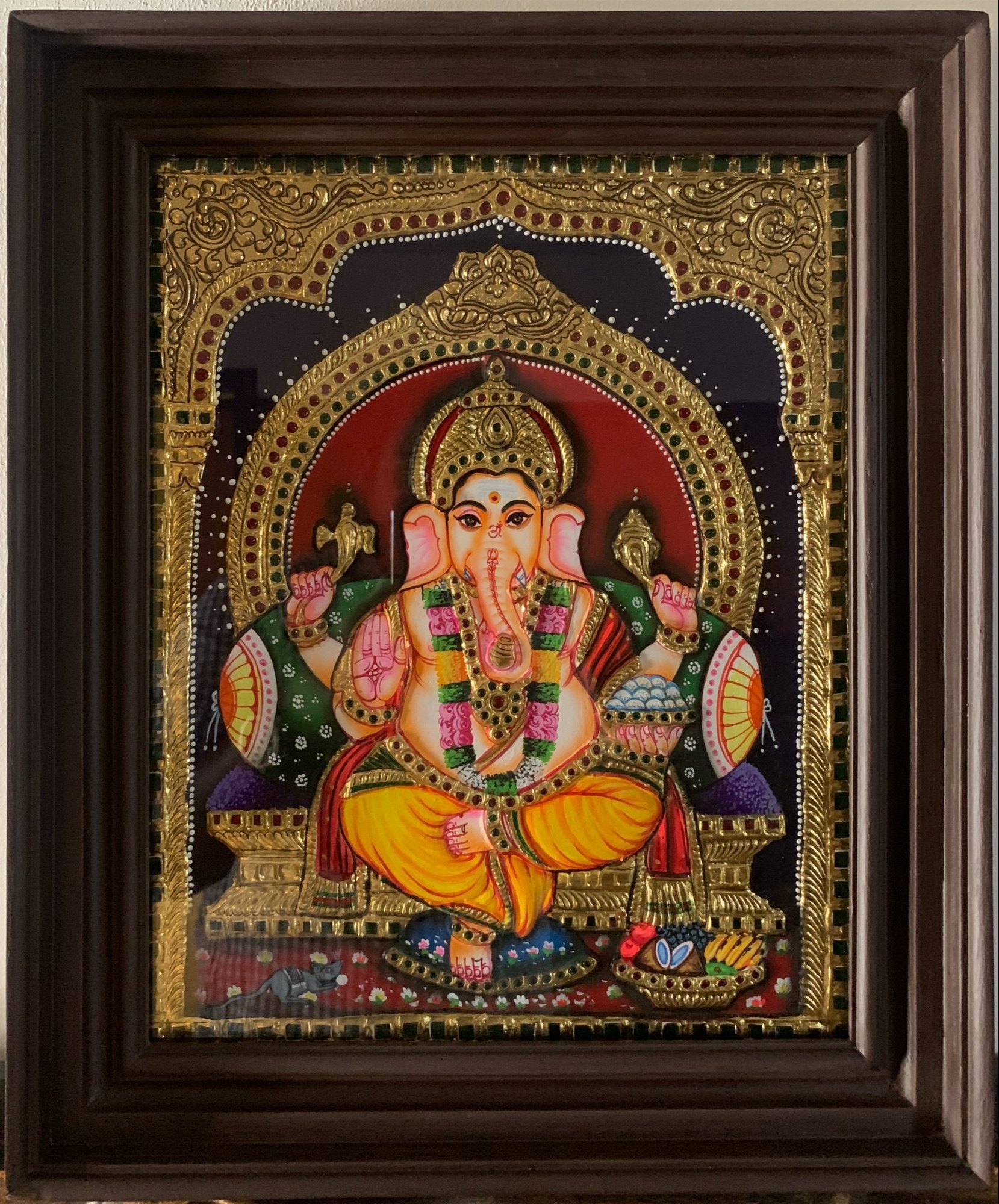
While rooted in centuries-old traditions, ganesha tanjore painting has evolved to incorporate contemporary themes and styles without losing its traditional essence. Artists now blend modern aesthetics with age-old techniques, ensuring that this art form remains relevant and continues to flourish in today’s global art market.
How to Identify Authentic Traditional Ganesha Art?
Authentic traditional Ganesha art typically showcases certain hallmark features:
- Usage of genuine gold leaf for the ornate areas.
- A raised surface created by the limestone paste behind jewels and accessories.
- Natural dyes instead of synthetic colors.
- Precision in deity iconography according to canonical texts.
Recognizing these characteristics ensures appreciation and safeguarding of genuine craftsmanship.
The Cultural Impact of Ganesha Tanjore Paintings
Beyond religious devotion, these paintings play a crucial role in cultural preservation and artistic education. They inspire generations about the richness of South Indian heritage and foster respect for traditional art forms. Their presence in homes and temples creates a connection between art and spiritual life, celebrating Indian artistry globally.
The Role of Artists in Keeping the Tradition Alive
Skilled artists carrying forward the tradition use techniques passed down through generations, adapting their skills while embracing innovative tools. Their dedication has maintained the legacy of Tanjore paintings as valuable art treasures. To see inspiring examples of traditional Ganesha art, many turn to trusted platforms like this collection which showcase living artists’ work and efforts.
Why Does Ganesha Tanjore Painting Continue to Captivate Audiences?
The timeless appeal of ganesha tanjore painting lies in its intricate craftsmanship, spiritual symbolism, and vibrant expression. It bridges art and devotion in a way few art forms can, drawing admirers from all walks of life who seek beauty and meaning in their surroundings.
With its deep cultural roots and artistic brilliance, this form remains a significant component of South Indian religious paintings, enchanting and inspiring millions.
In conclusion, the exquisite ganesha tanjore painting demonstrates the enduring power of traditional art forms fused with spiritual devotion. Enthusiasts eager to explore more about such sacred artwork and the rich heritage it represents can reach out through platforms like kailasa kaladhara for further insights, updates, and inspiration.
Frequently Asked Questions
- What materials are traditionally used in Ganesha Tanjore paintings? They use wood or cloth base, limestone paste, gold foil, and natural dyes.
- Who is considered the pioneer of Tanjore painting techniques? Raja Thulaja Nayak is credited with popularizing the Tanjore style.
- How can I verify the authenticity of a Tanjore Ganesha artwork? Look for gold foil use, embossed surfaces, natural dyes, and traditional iconography.
- Are modern artists still creating traditional Ganesha Tanjore paintings? Yes, many contemporary artists continue the tradition while innovating.
- Where can I learn more about South Indian religious paintings? Various art institutions and cultural centers provide resources; visiting sites like Kailasa Kaladhara also offers valuable insights.