Contemporary South Asia is a vibrant and complex region marked by rapid changes in politics, urban development, and cultural shifts. This blog explores layers of modern South Asian politics, the impact of urbanization in South Asia, and emerging South Asian cultural trends shaping everyday lives.
What Defines Contemporary South Asia in Today’s Global Context?
The region comprising countries like India, Pakistan, Bangladesh, Nepal, Sri Lanka, Bhutan, and the Maldives is a geopolitical hotspot with dynamic relations. Contemporary South Asia is characterized by a rich mix of historical legacy and rapid modernization.
From economic reforms to environmental challenges, the blend of tradition and innovation affects governance, social norms, and economic policies across the nations.
Political Landscape: Navigating Modern South Asian Politics
The politics in the region has evolved significantly since the mid-20th century, with each country presenting unique scenarios. Democracy, electoral politics, and nationalist movements play vital roles.
For example, in India, the world’s largest democracy, policies focus increasingly on economic growth and regional influence. Pakistan’s political environment blends civilian leadership and military influences, while Bangladesh’s commitment to development has boosted its GDP growth immensely.
How Does Urbanization Impact South Asia’s Growth and Challenges?
Urbanization in South Asia is accelerating at an unprecedented rate. With over 400 million urban dwellers, cities like Mumbai, Dhaka, and Colombo face the dual task of infrastructure development and social welfare.
- Rapid migration from rural to urban areas strains housing, transport, and sanitation.
- Smart city initiatives are emerging to tackle these problems sustainably.
- Economic hubs in urban centers serve as engines of growth but also highlight inequalities.
Research published by the United Nations reports that by 2050, nearly 60% of South Asian populations will live in cities, underscoring the urgent need for policy reforms on housing and public services.
The Role of Technology in Shaping Urban South Asia
Technology adoption in urban centers transforms governance, education, and healthcare. Mobile banking and digital connectivity bridge gaps, promoting social inclusion and economic participation.
Startups focused on fintech, e-commerce, and health tech are thriving, particularly in India and Bangladesh. This digital wave is altering traditional commerce and communication routes.
How Are South Asian Cultural Trends Evolving in the 21st Century?
South Asian cultural trends mirror society’s ongoing negotiation between heritage and modernity. Cinema, music, and dance are key areas where this evolution is clearly visible.
The global success of Bollywood and regional cinemas demonstrates increasing cultural export and hybrid identities within younger generations.
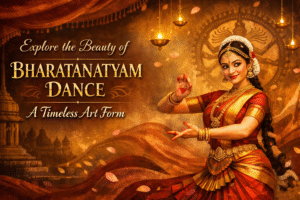
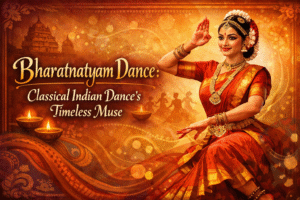
- Contemporary art forms blend classical traditions like Bharatanatyam with modern dance styles.
- Fashion and cuisine from South Asia are gaining popularity worldwide.
Authors like A.K. Ramanujan and Amartya Sen have contributed extensively to understanding the cultural hybridity and social changes in the region.
Education and Youth: The Social Backbone of Contemporary South Asia
The youth population underpins much of South Asia’s developmental promise. Education systems are being revamped to meet global standards, although disparities remain.
Public and private investments focus heavily on STEM fields, while social sciences and arts also witness revival amid growing urban middle classes.
Environment: How Does South Asia Address Its Ecological Challenges?
South Asia faces serious environmental issues from pollution to climate change-induced disasters. Urbanization and industrial growth have increased carbon footprints and resource consumption.
Government and non-governmental organizations collaborate to promote sustainable development goals, renewable energy, and water conservation.
What Economic Patterns Are Emerging in Contemporary South Asia?
Economic patterns show diversity; while India leads in IT services and manufacturing, Bangladesh’s garments industry expands rapidly. Micro, small, and medium enterprises contribute significantly to GDP.
| Country | Key Economic Sector | Recent Growth Indicators |
|---|---|---|
| India | Information Technology & Services | 7.5% GDP growth forecast (2023) |
| Bangladesh | Textile & Garments | 6.0% GDP growth (2023) |
| Pakistan | Agriculture & Manufacturing | 4.2% GDP growth forecast (2023) |
These figures highlight resilience and adaptation amid global market fluctuations.
Social Movements: Shaping Political and Cultural Narratives
Social movements in South Asia focus on gender equality, environmental justice, and minority rights. They impact legislation and public awareness profoundly.
The rise of digital media amplifies voices and mobilizes communities faster than ever before.
The Intersection of Tradition and Modernity in Contemporary South Asia
Balancing centuries-old traditions with globalization and technological advances creates a unique cultural dynamic. Festivals, rituals, and community systems evolve while retaining core significance.
Urban youth, increasingly connected globally, champion this fusion through art, literature, and activism, influencing regional identity and global perceptions alike.
Modern South Asian politics, urbanization in South Asia, and South Asian cultural trends together paint a picture of a region in motion—melding historical roots with aspirations for a sustainable, inclusive future.
For those interested in deeper cultural insights or exploring South Asian arts, visiting the modern South Asian politics discussions that intertwine with cultural expressions can be enlightening and inspiring.
In conclusion, contemporary South Asia represents a fusion of change and continuity. The region’s challenges and triumphs are closely linked with its politics, urban spaces, and cultural expressions.
Exploring these facets more personally can be rewarding. I encourage you to reach out to kailasa kaladhara for more tips and inspiration on South Asian culture and arts.
FAQs
- What is contemporary South Asia? It is the current phase of social, political, and cultural developments in South Asia.
- Which countries are included in South Asia? India, Pakistan, Bangladesh, Nepal, Sri Lanka, Bhutan, and the Maldives.
- How fast is urbanization growing in South Asia? Around 60% of the population is expected to be urban by 2050.
- What are key political trends in South Asia? Rise of democratic governance, nationalism, and regional cooperation efforts.
- How does technology shape South Asian culture? It fosters access to education, arts, and digital communication, influencing lifestyle and traditions.