Carnatic music instruments form the backbone of South Indian classical music, creating enchanting melodies and rhythms that have captivated audiences for centuries. This blog delves into the rich world of these instruments, highlighting their unique characteristics, history, and role in Carnatic music. For enthusiasts eager to deepen their understanding or beginners looking to start their journey, this article offers a comprehensive overview. Discover the magic behind instruments like the veena, mridangam, and flute which define the soulful soundscape of Carnatic music instruments.
What Makes Carnatic Music Instruments Unique?
Unlike many musical styles, Carnatic music emphasizes intricate rhythms and melodic improvisations. The instruments used in this tradition have evolved to support these elements, allowing for complex expressions of ragas and talas. Each instrument is meticulously crafted for tonal quality and durability, often constructed by skilled artisans following age-old methods. Research shows that the combination of string, percussion, and wind instruments creates a rich, textured sound that enhances the emotional depth of compositions.
An Insight Into the Veena: The Queen of Carnatic Instruments
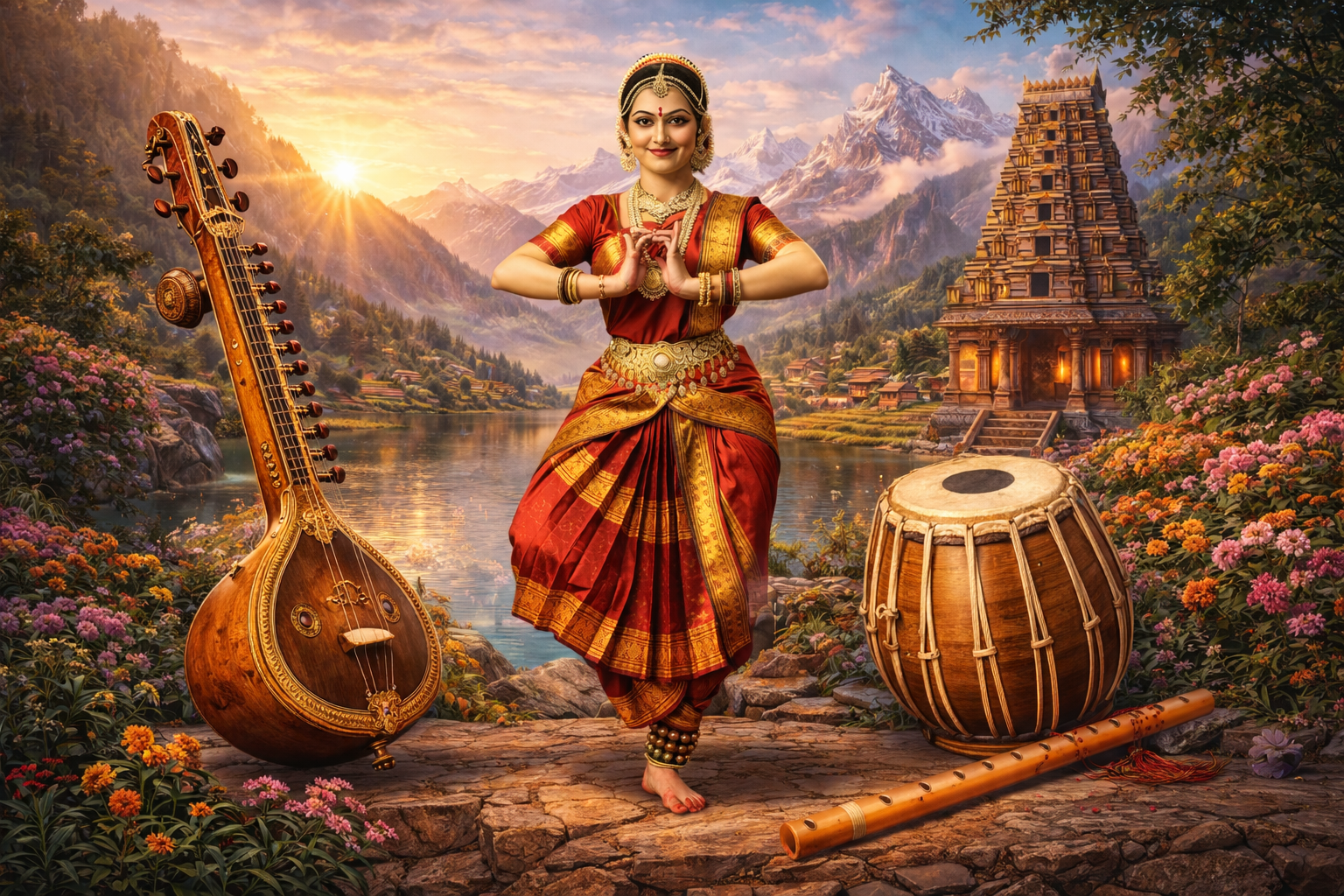
The veena, considered the queen among carnatic music instruments, has origins dating back over 2,000 years. Known for its deep, resonant tone and graceful shape, the veena is a stringed instrument with a hollow wooden body. It has seven strings and is played by plucking the strings with the fingers. The instrument’s construction allows for a wide range of expressions, perfectly suiting the nuances of Carnatic music.
Legend attributes the veena’s popularization to the ancient sage Matanga, regarded as the father of its musical tradition. Today, maestros like E. Gayathri have elevated the veena’s profile worldwide. Their performances showcase the veena’s ability to portray complex ragas, rivalling vocal music in emotive power.
How Does the Mridangam Shape Carnatic Rhythm?
The mridangam is pivotal in providing the rhythmic foundation of Carnatic music. This double-headed drum allows for a variety of sounds, from deep bass tones to high-pitched strikes. Its invention is often credited to the mythological figure Lord Shiva, representing the cosmic drum to maintain the universe’s rhythm.
Performers use complex finger techniques to manipulate the tension on the membrane, creating intricate rhythmic patterns called talas. The mridangam player collaborates closely with vocalists and instrumentalists, responding to improvisations and maintaining the tempo throughout performances.
The Melodic Charm of the Carnatic Flute
The Carnatic flute, or venu, is a bamboo transverse flute that produces soft, melodious sounds central to many classical compositions. It requires tremendous breath control and finger dexterity to express the subtle microtonal shifts characteristic of Carnatic ragas.
Its history intertwines with the pastoral folk traditions of South India, and it became integral to Carnatic music in the 19th century. Flute virtuosos like T. R. Mahalingam revolutionized flute playing with rapid-fire sequences and emotive style, expanding its expressive potential.
A Comparative Overview of Veena, Mridangam, and Flute in Carnatic Music
| Instrument | Type | Role | Famous Exponent |
|---|---|---|---|
| Veena | String | Melody and Harmony | E. Gayathri |
| Mridangam | Percussion | Rhythm and Tempo | Palghat Mani Iyer |
| Flute | Wind | Melody | T. R. Mahalingam |
What Are the Materials Used in Crafting These Instruments?
The materials used in crafting veena, mridangam, and flute are carefully selected to optimize sound quality.
- Veena is typically made from jackwood, prized for its durability and acoustic properties.
- Mridangam uses a wooden shell and animal skin membranes tuned for distinct tonal quality.
- The flute is carved from special varieties of bamboo found in specific regions for resonance and lightness.
Artisans use detailed construction techniques passed down generations to maintain traditional standards, which modern scientific methods have shown to enhance sound clarity and projection.
The Role of Carnatic Instruments in Contemporary Music
Even in modern South Indian cinema and fusion music, carnatic music instruments continue to have a notable presence. Composers integrate the veena’s rich tones or the mridangam’s complex rhythms to add depth and authenticity to film scores and experimental music pieces.
Carnatic music education centers increasingly offer training that blends classical foundation with contemporary styles, ensuring these instruments remain relevant and accessible to new generations.
How Does One Begin Learning Carnatic Music Instruments?
Starting with any of these instruments requires patience and dedication. Beginners are encouraged to:
- Choose an instrument that resonates with their interests and vocal style.
- Seek guidance from experienced teachers to understand the basics of ragas and talas.
- Practice regularly while attending live performances to grasp performance nuances.
Many music schools, including Kailasakaladhara, provide structured courses designed for different skill levels, blending theory and practical lessons.
The Social and Cultural Significance of Musical Instruments in Carnatic Traditions
Beyond their musical role, these instruments hold cultural symbolism. The veena, for example, is associated with Goddess Saraswati, symbolizing wisdom and the arts. The mridangam represents the heartbeat of social and religious ceremonies, fostering community spirit. The flute is connected with Lord Krishna, evoking themes of love and spirituality.
This rich symbolism enriches Carnatic performances, turning musical presentations into profound cultural experiences.
Scientific Studies Reflecting the Impact of Carnatic Music Instruments
Recent neuroscience research highlights how listening to and playing Carnatic music instruments positively affect cognitive development. Studies indicate improved memory, attention, and emotional regulation among students exposed to these musical traditions. This empirical evidence supports why institutions worldwide encourage learning these instruments early in life.
Conclusion
The exploration of carnatic music instruments reveals an intricate blend of history, culture, and artistry profoundly shaping South Indian classical music. Instruments like the veena, mridangam, and flute not only enrich performances but continue to inspire musicians and audiences globally. For those inspired to delve deeper into this captivating music form, resources and expert guidance are available at kailasa kaladhara. They offer valuable support for aspirants and enthusiasts seeking updates, tips, and inspiration in their musical journey.
Frequently Asked Questions
- What are the main carnatic music instruments? The veena, mridangam, and flute are the primary instruments in Carnatic music.
- Who invented the mridangam? It is traditionally attributed to Lord Shiva as the cosmic drummer.
- Is the veena difficult to learn? Yes, it requires dedicated practice to master its complex playing techniques.
- What material is used to make a Carnatic flute? It is typically made from bamboo for its acoustic properties.
- Can children learn Carnatic music instruments? Absolutely, with proper guidance, children can start learning at an early age.