Kuchipudi dress is an integral part of the rich cultural heritage linked to the classical Indian dance form, Kuchipudi. This blog unravels the essence of the traditional Kuchipudi dress, the nuances of kuchipudi costume design, and how the dance attire is more than just an outfit—it’s a deep-rooted symbol of art and tradition. For those passionate about Indian classical dance, understanding the nuances of kuchipudi dress enhances the appreciation of every graceful movement.
Explore a wide array of detailed insights and authentic elements woven into the fabric of the kuchipudi dress. This guide will enhance your knowledge whether you’re a dancer, a designer, or simply a culture enthusiast.
Understanding the Origins of Kuchipudi Dress
The origin of the Kuchipudi dance and its attire is often attributed to the sage Siddhendra Yogi, who is considered the father of this dance style. Dating back to the 17th century, the traditional Kuchipudi dress was designed to complement the storytelling nature of the dance, emphasizing hand gestures and footwork.
What Makes Kuchipudi Costume Unique Compared to Other Classical Indian Dance Attires?
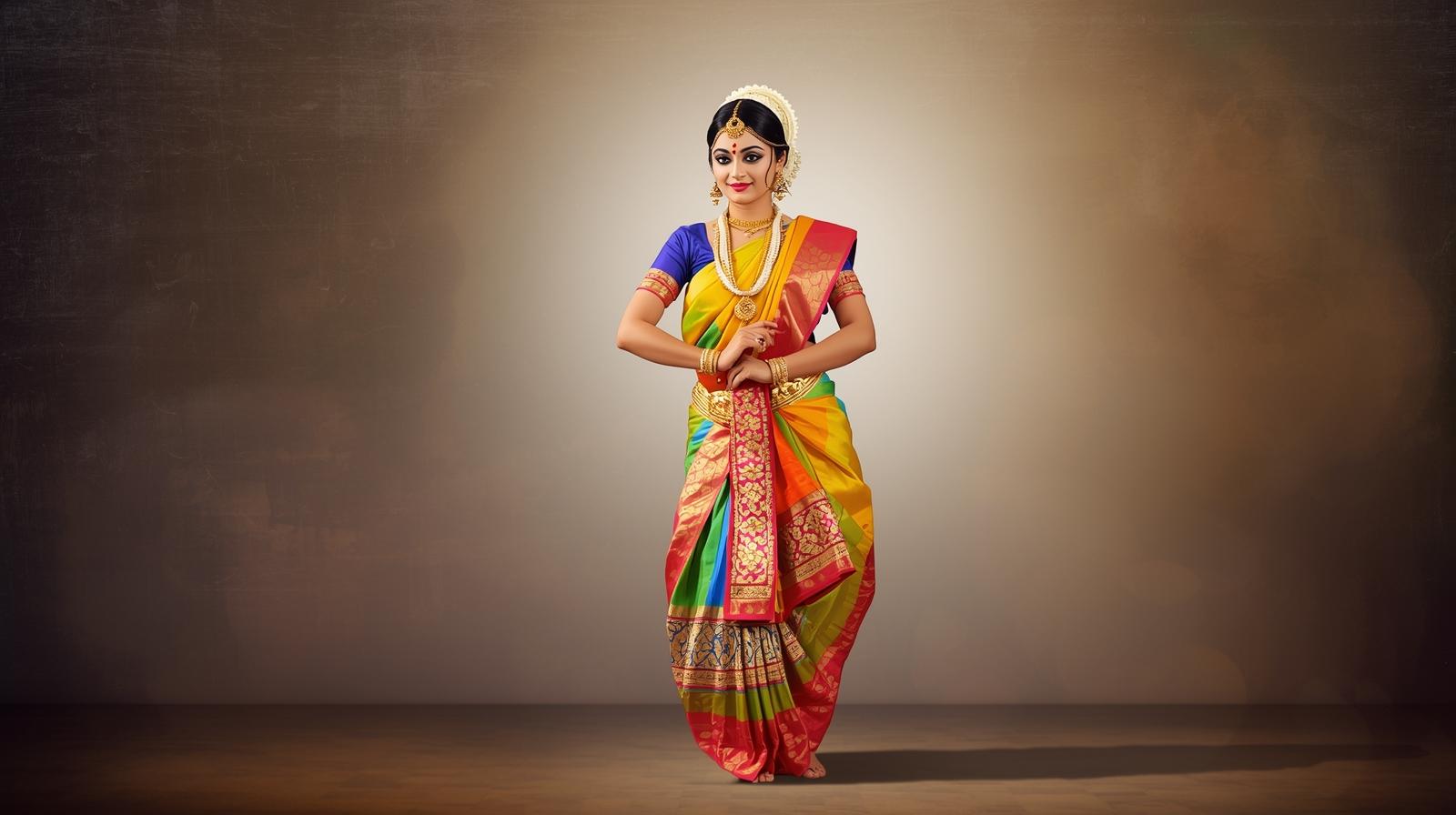
The kuchipudi costume stands out due to its distinctive pleats and vibrant colors, which allow dancers to perform both graceful and vigorous movements smoothly. Unlike Bharatanatyam’s more rigid attire, kuchipudi dress favors a lighter, more flexible fabric and design. Notably:
- The ensemble usually features a sari stitched like a dhoti for ease in footwork.
- Contrasting border colors accentuate the pleats during spins and foot tapping.
- The blouse and skirt are often elaborately ornamented with gold trim, highlighting elegance.
Exploring the Traditional Kuchipudi Dress Components
The traditional kuchipudi dress includes the following components:
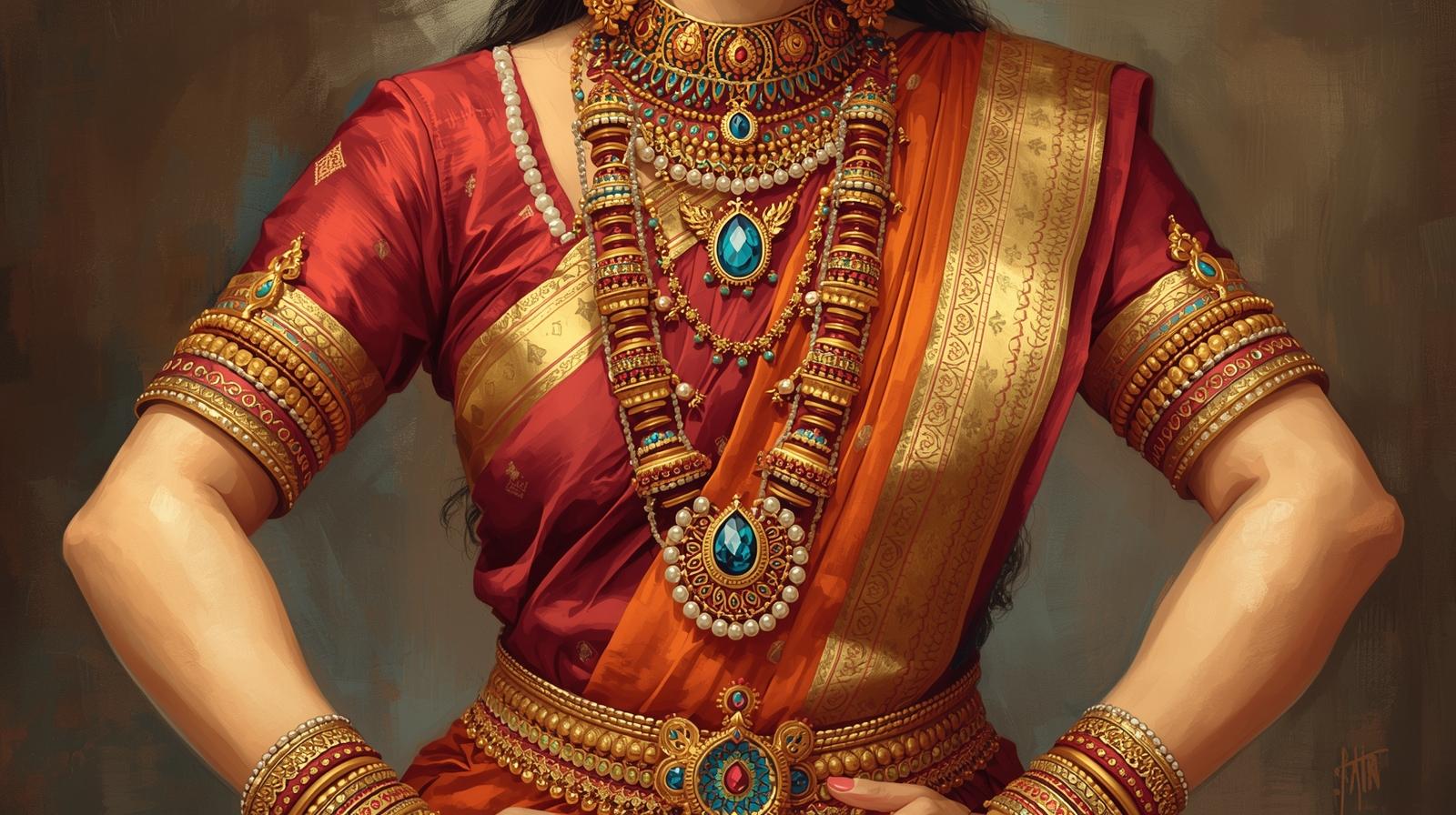
- A silk sari with vibrant hues such as red, green, or orange grounded by gold zari borders.
- A choli or blouse tailored for comfort and movement.
- An intricately pleated fan-like cloth in front which flares during dance poses.
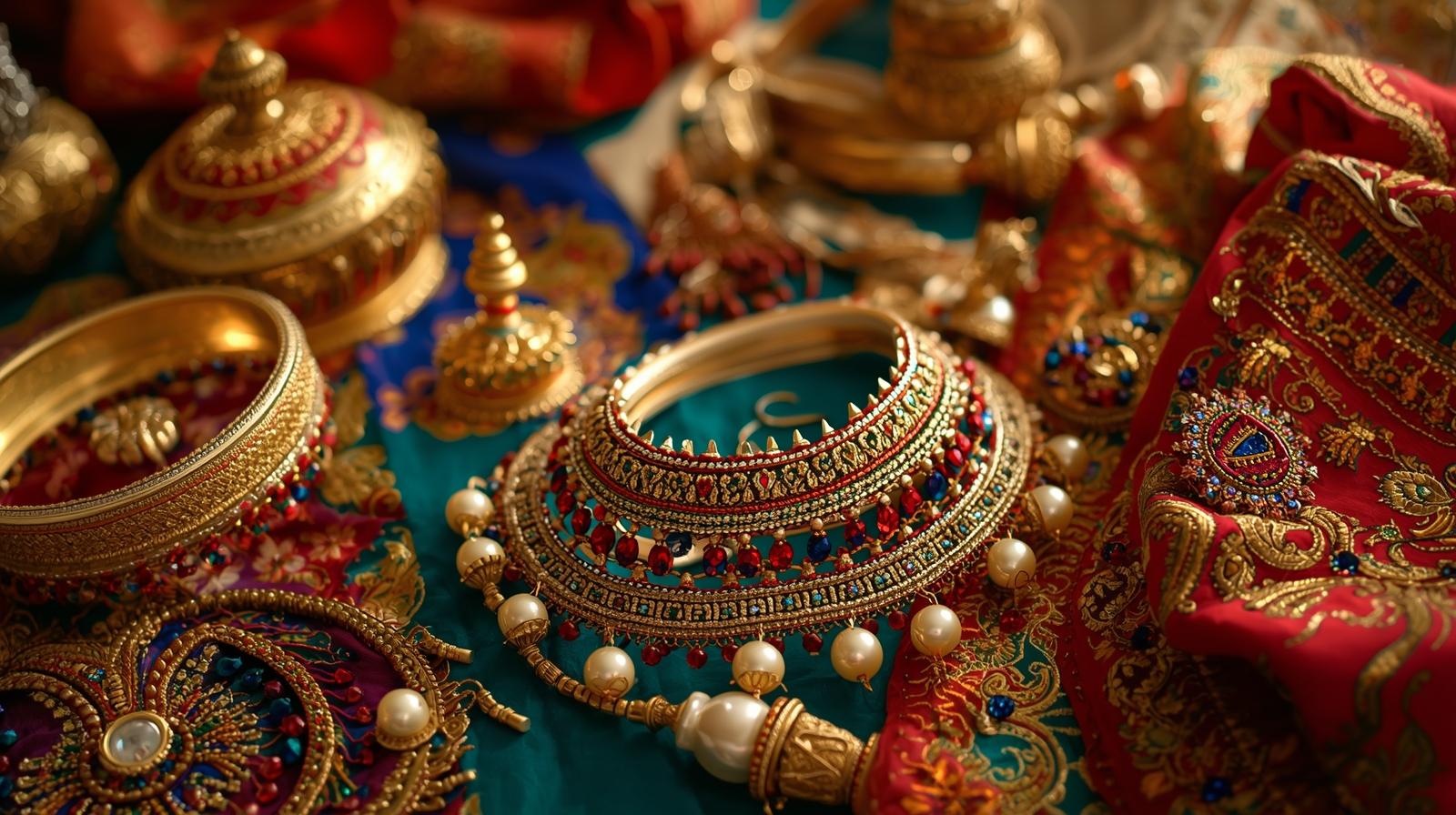
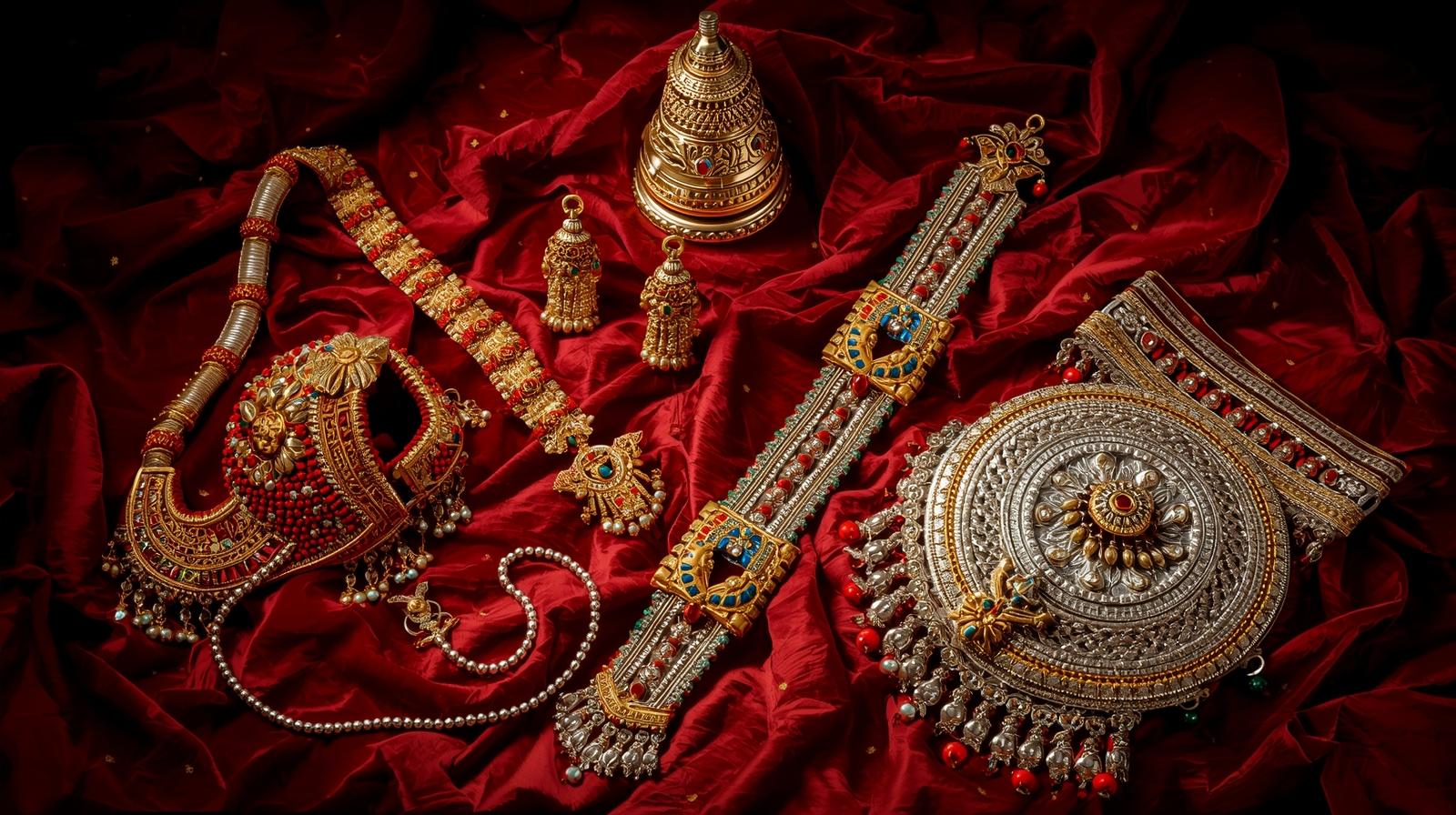
- Complementary jewelry like necklaces, bangles, and especially the headpiece called ‘Nethi Chutti.’
- Decorative ankle bells (Ghungroo) that add rhythmic sounds to the dance.
How Has the Kuchipudi Dance Attire Evolved Over Time?
While maintaining its classical roots, the kuchipudi dance attire has seen subtle adaptations. Modern designers integrate lighter fabrics for longer performances and introduce contemporary color palettes while preserving the traditional silhouette. Research indicates this evolution helps dancers maintain stamina and comfort without compromising aesthetic appeal.
Importance of Colors and Fabrics in Kuchipudi Dress
Colors like deep reds and bright greens symbolize vitality and auspiciousness in Indian culture and are predominantly used in the kuchipudi dress. Silk remains the favored fabric, not only for its sheen but also for its durability. Wearing vibrant, high-quality silk helps emphasize the dancer’s expressions and movement, adding visual depth to the performance.
Where Can One Find Authentic Kuchipudi Costumes?
Authentic kuchipudi costumes can be sourced from traditional handloom centers in Andhra Pradesh, India, where artisans specialize in this craft. Online platforms and local dance institutions also provide access to genuine kuchipudi dresses, often custom-fitted to meet individual dancer needs.
For enthusiasts aiming to learn how to carry these costumes gracefully, extensive training and attention to traditional draping styles are crucial. Visiting the course pages on the culture of Kuchipudi dance attire can provide valuable tips and inspiration.
What’s the Role of Accessories in Enhancing the Kuchipudi Costume?
Accessories complement the kuchipudi dress notably through enhancing storytelling and expression. Items like:
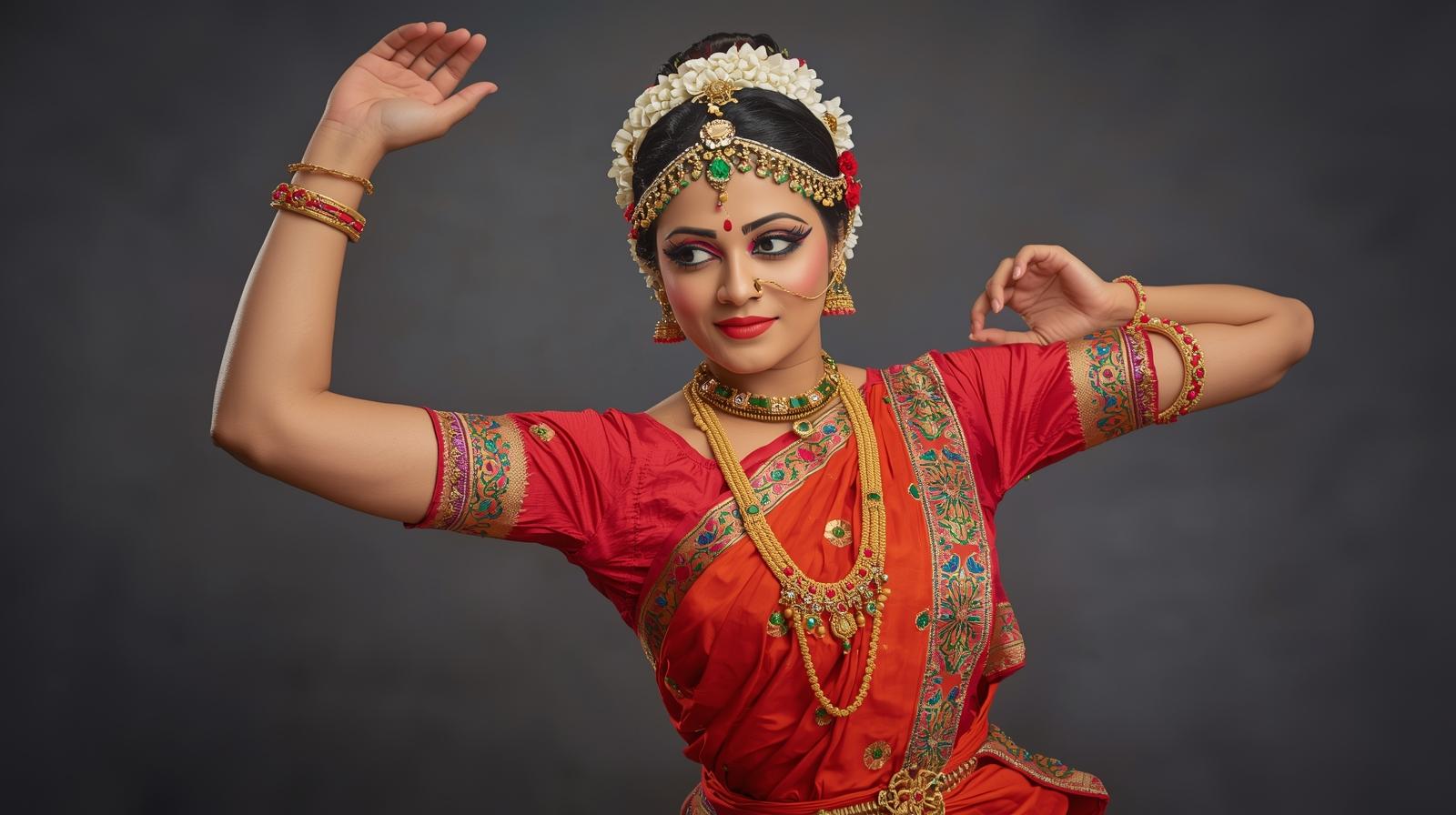
- Temple jewelry including necklaces, earrings, and waist belts.
- A floral headpiece that adds a traditional charm.
- Face makeup and expressive eye decorations that highlight expressions.
These elements together enrich the visuals, connecting the dance to its divine and cultural origins.
How to Maintain and Care for Your Kuchipudi Dance Attire?
Proper care prolongs the life of these exquisite costumes. Guidelines include:
- Gentle dry cleaning to preserve fabric shine and color.
- Storing in muslin cloth bags to prevent damage.
- Avoiding moisture and direct sunlight during storage.
- Regularly checking decorative threads and securing loose ends.
Dedication to maintenance ensures your kuchipudi dress remains vibrant and performance-ready.
Key Differences Between Kuchipudi Dress and Other Traditional Indian Dance Attires
| Aspect | Kuchipudi Dress | Other Indian Dance Attires (e.g., Bharatanatyam) |
|---|---|---|
| Style | Dhoti-style sari with a flowing pleated fan | Pure sari style with box pleats |
| Fabric | Lightweight silk for agility | Heavier silk with thicker borders |
| Ornamentation | Subtle and classically elegant | Intricate temple jewelry |
What is the Cultural Significance of Wearing a Kuchipudi Dress?
Wearing the kuchipudi dress doesn’t just signify tradition but embodies respect for the art form’s history and spirituality—connecting the performer to the dance’s ancient roots and its purpose to narrate mythological tales. This attire visually conveys grace and is a tribute to the cultural heritage.
When exploring classical Indian dance forms, understanding their attire gives crucial insights into their performance style. For further development, visiting the kuchipudi costume resources offers deeper inspiration and practical advice.
 Conclusion
The kuchipudi dress remains a vivid symbol of tradition and artistic expression. Its elegance and functionality reflect the character of Kuchipudi dance—lively, graceful, and meaningful. With its rich cultural background and distinctive designs, the kuchipudi dance attire lures dancers and audiences alike into a world where art and heritage intertwine effortlessly. For personalized guidance and continuous learning, dancers can reach out to kailasa kaladhara for tips, updates, and inspiration to master the heritage and nuances connected to this classical dance and its traditional dress.
FAQs
- What is a kuchipudi dress? It is the traditional attire worn by dancers performing the Kuchipudi classical dance form from India.
- Who invented the Kuchipudi dance and its costume? Sage Siddhendra Yogi is credited with formalizing Kuchipudi dance and its costume style.
- What fabric is commonly used in Kuchipudi dress? Silk is the most common fabric used due to its sheen and durability.
- Can kuchipudi costumes be customized? Yes, they can be tailored to fit the dancer’s style and comfort preferences.
- What is the significance of the pleats in a Kuchipudi costume? The pleats enhance movement and add visual appeal when the dancer performs spins and poses.