Indian classical dance is a vibrant and ancient tradition that continues to captivate audiences worldwide with its expressive storytelling and intricate techniques. This blog explores the history, significance, and unique styles of some of the most prominent Indian classical dances, including bharatanatyam, kathak, and odissi. For those looking to dive deeper into this artistic realm, exploring these dance forms offers a fascinating insight into India’s rich cultural heritage. You can learn more about indian classical dance through seasoned instructors and immersive programs.
What makes Indian classical dance unique among global traditions?
Indian classical dance stands apart due to its blend of narrative storytelling and sophisticated technical skills. Each gesture or expression, known as mudras, plays a vital role in conveying stories derived from Hindu mythology or spiritual themes. The intense training integrates music, rhythm, and spirituality, making the dance not just an art form but a devotional practice.
Tracing the origins: A historic perspective on Indian classical dance
The roots of Indian classical dance can be traced back over 2,000 years, with references found in ancient texts like the Natya Shastra authored by Bharata Muni. This treatise laid down principles that continue to influence dance styles today. Each classical dance form evolved in different regions, with pioneers like Rukmini Devi Arundale formalizing Bharatanatyam and Birju Maharaj elevating Kathak’s stature worldwide.
How do Bharatanatyam, Kathak, and Odissi differ in style and technique?
These dance styles, while connected under the umbrella of Indian classical dance, have distinct characteristics:
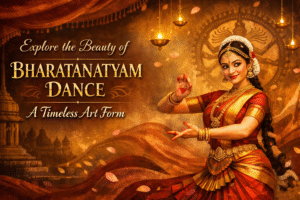
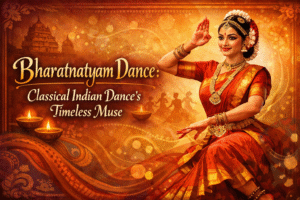
- Bharatanatyam: Originating from Tamil Nadu, it is known for its fixed upper torso, bent legs, and intricate footwork combined with expressive hand gestures.
- Kathak: This North Indian dance form is characterized by fast-paced spins and expressive storytelling, often including subtle facial expressions and rhythmic footwork.
- Odissi: Hailing from Odisha, Odissi is distinguished by its graceful movements, sculpturesque poses, and emphasis on tribhangi—the three-bend posture representing the human body.
Each form utilizes specific musical accompaniments, costumes, and stage makeup that highlight regional cultures and histories.
Why is storytelling at the core of Indian classical dance?
Storytelling is fundamental because it connects dancers to audiences through emotions and cultural narratives. Using abhinaya—a technique involving facial expressions—performers portray characters, emotions, and stories from epics like the Ramayana and Mahabharata. This immersive storytelling transforms dance into an interactive cultural experience.
Training in Indian classical dance: What does it involve?
Learning Indian classical dance requires dedication and years of practice under a guru or a qualified dance institution. Students begin with mastering basic steps and gestures, gradually moving to complex choreography and improvisation. Traditional training also emphasizes the spiritual connection through yoga and meditation.
Can you compare the costume and music styles used in Bharatanatyam, Kathak, and Odissi?
| Aspect | Bharatanatyam | Kathak | Odissi |
|---|---|---|---|
| Costume | Silk sarees with pleated fan-like cloth | Lehenga or churidar with flowing lower garment | Saree draped in a unique style with silver jewelry |
| Music | Carnatic music | Hindustani music | Odissi music based on classical ragas |
| Jewelry | Temple jewelry featuring gold and pearls | Simple yet elegant ornaments | Silver tribal jewelry |
How is Indian classical dance evolving in modern times?
Today, Indian classical dance blends tradition with contemporary themes and fusion styles. Choreographers incorporate modern narratives and global music influences to engage younger audiences. Digital platforms and global performances further amplify the reach, making classical traditions accessible worldwide.
Influence of Indian classical dance on global arts
The rich musicality and expressive gestures of Indian classical dance have influenced various contemporary dance forms across the globe. Renowned dancers like Sonal Mansingh and Alarmel Valli have showcased Indian techniques on international stages, inspiring multicultural collaborations and academic study.
Where can one learn authentic Bharatanatyam?
For authentic training in bharatanatyam, many turn to institutions that honor traditional methods while encouraging individual expression. Experienced gurus provide personalized guidance to hone skills and deepen understanding of the dance’s spiritual roots. For those curious to explore more, the engaging dance course page offers valuable insights and updates, helping learners stay connected with the evolving scene of classical dance.
How do cultural festivals promote Indian classical dance?
Cultural festivals across India and worldwide act as vibrant platforms to showcase the diversity of Indian classical dance. Events like the Khajuraho Dance Festival bring together artists from various districts, highlighting not only performance but also the preservation of these art forms. These festivals stimulate local economies and inspire younger generations to embrace their heritage.
Indian classical dance continues to thrive as a bridge between past and present, blending spiritual depth with artistic brilliance. To dive deeper into this mesmerizing tradition, institutions like Kailasakaladhara provide comprehensive programs fostering skill and passion. If you want to explore more about these timeless dance forms or embark on your journey, visiting the contact us page of kailasa kaladhara offers the perfect starting point.
Frequently Asked Questions
- What is Indian classical dance? It is a traditional dance form of India focusing on storytelling through expression and movement.
- Who founded Bharatanatyam? Rukmini Devi Arundale was instrumental in popularizing Bharatanatyam globally.
- What distinguishes Kathak from other dance forms? Its rapid spins and expressive facial movements make Kathak unique.
- Where does Odissi originate? Odissi comes from the eastern Indian state of Odisha.
- How can I start learning Indian classical dance? Enrolling in a reputable dance school and practicing under expert guidance is the best way.