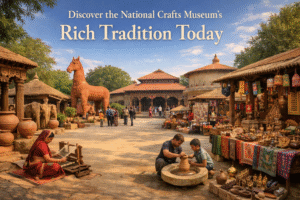
National crafts museum is a treasure trove showcasing the vibrant world of traditional handmade crafts, cultural heritage exhibitions, and artisan workshops. Nestled in the heart of the city, this museum is more than just a collection; it’s a thriving center of cultural preservation and creative expression. Visitors get to walk through time, witness the evolution of craft techniques, and engage with skilled artisans in real time. If you’re passionate about heritage and craftsmanship, the national crafts museum offers a unique experience that’s both educational and inspiring.
How does the National Crafts Museum preserve cultural heritage?
At its core, the museum acts as a guardian of cultural heritage exhibitions, providing a platform where traditional arts are not only preserved but celebrated. It collects and displays artifacts that reveal the socio-cultural narratives of different regions and communities. By presenting these crafts in curated exhibits, it educates audiences on age-old techniques passed down through generations. The museum also actively researches and documents the origins and significance of various crafts, ensuring that these practices are not lost to modernization.
The role of artisan workshops in keeping crafts alive
One of the museum’s standout features is its range of artisan workshops. These hands-on sessions allow visitors to interact with master craftsmen and learn the nuances of traditional handmade crafts. Such workshops foster a deeper appreciation for the skill involved and encourage the younger generation to take an active interest. For example, in a weaving workshop, participants learn the delicate process of thread selection, dyeing, and loom operation, which is rarely experienced outside the artisan community.
What types of traditional crafts are showcased?
The national crafts museum covers a remarkable variety of handmade crafts. Visitors can marvel at intricate wood carvings, vibrant textiles, pottery, metalwork, and jewelry that reflect different cultural motifs and stories. Many of these crafts originate from rural communities and tell tales of daily life, religious beliefs, and local customs. The museum also organizes rotating exhibits, showcasing rare or region-specific art forms, ensuring that every visit offers something new.
Engaging with living traditions through cultural events
Cultural heritage exhibitions at the museum extend beyond static displays. Events such as folk dance performances, craft fairs, and storytelling sessions bring living traditions to life. These gatherings create a vibrant atmosphere where visitors can experience the rhythms, colors, and stories behind the crafts. It’s a multisensory approach that connects people emotionally and intellectually with the cultures represented.
Impact of globalization on traditional crafts
Globalization has a multifaceted impact on traditional crafts. While it presents challenges like market competition and material scarcity, it also opens up new opportunities for artisans through wider recognition and sales via online platforms. The museum plays a crucial role in helping artisans adapt by providing training on sustainable practices and marketing skills. This support enables craftspeople to maintain authenticity while appealing to modern consumers.
How can visitors make the most of their museum experience?
To truly appreciate the national crafts museum, visitors should plan to spend time watching artisan workshops and attempting simple craft activities. Guided tours offer insightful commentary about the origins and importance of different items. Additionally, browsing the museum’s boutique allows one to purchase authentic traditional handmade crafts, directly supporting the artisans. It’s an immersive way to understand the depth and diversity of our cultural heritage.
Behind the scenes: curators and craft historians
The museum’s success owes much to its dedicated team of curators and craft historians. These experts diligently collect stories, validate artifacts, and design exhibitions that resonate with a wide audience. Their work ensures that every piece tells a meaningful story. For example, a project led by Dr. S. Rajan, a prominent craft historian, uncovered the lost pottery styles of South India, now proudly displayed with detailed narratives in the museum.
Why are traditional handmade crafts important for future generations?
These crafts carry not only artistic but also social value that binds communities and preserves identity. They teach patience, creativity, and respect for natural materials. As global cultures blend, traditional handmade crafts serve as living links to ancestral wisdom and skills, fostering pride and continuity among younger generations. The museum’s efforts ensure this legacy remains vibrant and accessible.
Statistics showcasing the growth of craft tourism
Recent studies indicate a rising interest in craft tourism worldwide, with an annual growth rate of nearly 7%. Museums like this one attract tens of thousands of visitors annually, fueling local economies and encouraging sustainable artisan livelihoods. According to a 2023 report by the Cultural Heritage Institute, engaging with traditional crafts significantly boosts cultural appreciation and community well-being.
How do cultural heritage exhibitions differ from conventional museum displays?
Cultural heritage exhibitions focus not just on artifacts but on their contextual stories, often incorporating interactive and multimedia elements. Unlike conventional displays that might prioritize aesthetics alone, these exhibitions reveal social, historical, and spiritual layers behind each craft. They invite visitors to connect emotionally and intellectually, transforming passive observation into an active cultural dialogue.
Enthusiasts interested in exploring the vibrant craft culture further can discover a wealth of resources and insights on the traditional handmade crafts Instagram page, which provides ongoing updates and artisan stories.
To wrap things up, the national crafts museum stands as a beacon preserving traditional arts through engaging cultural heritage exhibitions and artisan workshops. By visiting, you support the continuity of rich craft traditions. For those inspired by this cultural journey, reaching out to kailasa kaladhara can offer additional tips, updates, and inspiration to deepen your appreciation of heritage arts.
Frequently Asked Questions (FAQs)
- What is the focus of the National Crafts Museum? It focuses on preserving and showcasing traditional handmade crafts and cultural heritage.
- Are there any workshops available at the museum? Yes, the museum offers interactive artisan workshops for visitors.
- Can visitors purchase crafts at the museum? Yes, authentic crafts are available for purchase to support artisans.
- How does the museum help artisans? By providing training, exposure, and market access to sustain their crafts.
- Is the museum suitable for children? Absolutely, many exhibits and workshops are designed to engage young audiences.