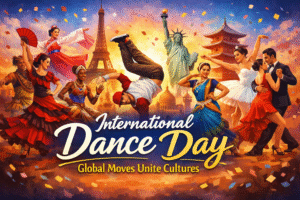
International dance day is a vibrant celebration of movement, culture, and unity through dance. Marked annually on April 29th, this special day honors the art of dance worldwide and invites everyone to experience its power firsthand. This article explores the origins of this event, its impact on international dance day celebrations, and the rich history and culture behind dance festivals worldwide.
What Is International Dance Day and Why Was It Created?
Every year on the 29th of April, dance enthusiasts, professionals, and novices come together to observe international dance day. Established in 1982 by the International Dance Council (CID) under UNESCO, it honors Jean-Georges Noverre, often called the father of modern ballet. His pioneering contributions laid the foundation for recognizing dance as a vital cultural and artistic expression. This day encourages cultural exchange and highlights dance’s universal language.
The Role of Global Dance Celebrations in Promoting Unity
Global dance celebrations foster a unique sense of community, crossing borders and cultures. Events range from street performances to grand festivals, showcasing traditional and contemporary styles. Such festivities help raise awareness of diverse dance forms, promoting cultural preservation and innovation at the same time.
How Does International Dance Day Inspire Dance Festivals Worldwide?
International dance day acts as a catalyst for numerous dance festivals worldwide. Cities and dance schools organize performances, workshops, and flash mobs, encouraging participation and appreciation. These festivals serve as platforms for emerging artists and seasoned performers alike, stimulating tourism and cultural pride. For instance, the annual dance festival in Paris draws thousands inspired by this global occasion.
Tracing Dance History and Culture Across the Globe
Dance has evolved as a significant cultural facet throughout history. From ritualistic dances in indigenous communities to the refined styles of classical ballet, the movement tells stories of society, beliefs, and human emotion. Research shows that early dance forms date back over 9,000 years, indicating its deep-rooted influence on civilizations.
Understanding Dance’s Role in Social and Cultural Identity
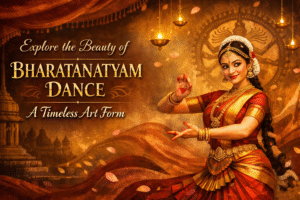
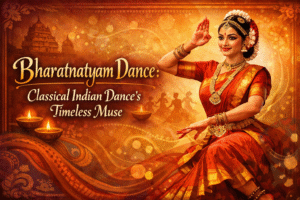
Dance is more than performance art; it often defines cultural identity and social values. Each dance style typically reflects the heritage and daily life of its people. For example, the Indian classical dance forms intricately incorporate mythology and spirituality, while Latin dances express passionate emotion and communal bonds.
What Are Some Unique Practices During International Dance Day Around the World?
The celebration varies worldwide but always centers on inclusivity and education. Many places host:
- Open dance workshops accessible to all ages and skill levels
- interactive discussions on dance history and its cultural impact
- public performances featuring local and international artists
- flash mobs designed to capture public attention and participation
These activities raise public interest and deepen appreciation for the arts.
The Integration of Dance Education in Celebrations
Teaching dance during these celebrations encourages learning and preserves dance traditions. Dance schools emphasize the significance of understanding various styles and histories. This educational focus nurtures new dancers and keeps the global dance community vibrant and innovative. For enthusiasts eager to dive deeper, visit global dance celebrations on social media to see ongoing festivities and expert insights.
Technology’s Influence on International Dance Day
The digital age has expanded reach, allowing virtual dance festivals and workshops to flourish. Social media platforms and video streaming services enable artists to share their craft globally in real-time, breaking geographical barriers. This technological shift has made the international dance day more inclusive and accessible than ever before.
Personal Stories From Dance Pioneers and Enthusiasts
Notable figures such as Martha Graham revolutionized dance by infusing emotion and storytelling, influencing countless dancers globally. Personal testimonials from dancers highlight how the event inspires them to continue their craft and pass traditions to younger generations.
The Future of International Dance Day in a Dynamic World
As awareness grows, so does the potential for international dance day to act as a beacon for cultural diplomacy and global peace. Embracing diversity in dance styles will continue to open doors for mutual respect and artistic growth.
In conclusion, international dance day plays a vital role in celebrating the art of dance while promoting cultural awareness and unity. With rich histories and ongoing events worldwide, dance remains a powerful connector among communities. To explore more about dance and stay inspired, consider visiting kailasa kaladhara for updates and opportunities.
FAQs
- What date is International Dance Day celebrated? International Dance Day is celebrated on April 29th annually.
- Who founded International Dance Day? The International Dance Council (CID) under UNESCO created it in 1982.
- Why is dance important in culture? Dance expresses cultural stories, traditions, and social values uniquely.
- Can anyone participate in International Dance Day events? Yes, events often welcome dancers and audiences of all ages and skill levels.
- How can I learn more about dance festivals worldwide? Exploring online platforms and visiting cultural dance centers provide great insights.