For centuries, South Indian classical music has been celebrated not merely as an acoustic art form, but as a transformative discipline for mental tranquility, breath mastery, and tonal precision. Across Bangalore’s dynamic cultural landscape—from historic musical neighborhoods like Malleshwaram to thriving modern enclaves like HSR Layout, Sarjapur Road, and Jayanagar—an increasing number of working professionals, homemakers, and young children are drawn toward learning traditional vocal music. Yet, many prospective students hesitate, held back by the misconception that Carnatic music is intimidating, rigidly dogmatic, or exclusively accessible to those born into hereditary musical lineages.
If you are exploring carnatic singing classes for beginners bangalore, the right academy makes all the difference. At Kailasa Kaladhara School of Performing Arts, our Carnatic vocal department bridges time-tested *Guru-Shishya* pedagogical depth with an encouraging, inclusive learning environment tailored for modern students. Whether your ambition is to sing devotional compositions (*Kritis*) with tonal fidelity or simply cultivate vocal confidence, our structured curriculum guides you step by step.
1. The Core Pillars of Carnatic Music: Shruti, Swarasthana, and Tala
Carnatic music rests upon a trinity of foundational principles that every beginner learns to internalize through guided listening and vocal reproduction:
- Shruti (Tonal Anchor): In Carnatic music, pitch is relative rather than absolute. Beginners learn to tune their vocal cords to a drone (*Tambura* or electronic tanpura), cultivating auditory discernment so their foundational note (*Adhara Shadjam* or ‘Sa’) remains unwavering without sharping or flattening.
- Swarasthana (Pitch Positions): The seven fundamental notes—*Sa, Ri, Ga, Ma, Pa, Dha, Ni*—branch into twelve distinct pitch variations (*swarasthanas*). Novices practice vocal placement drills to train muscle memory in the larynx, ensuring clean transitions between intervals.
- Tala (Rhythmic Metronome): Music is inseparable from rhythmic structure. Students master foundational hand gestures (*Kriyas*) including claps (*Ghatam*), waves (*Visarjitam*), and finger counts to maintain unwavering tempo (*Laya*).
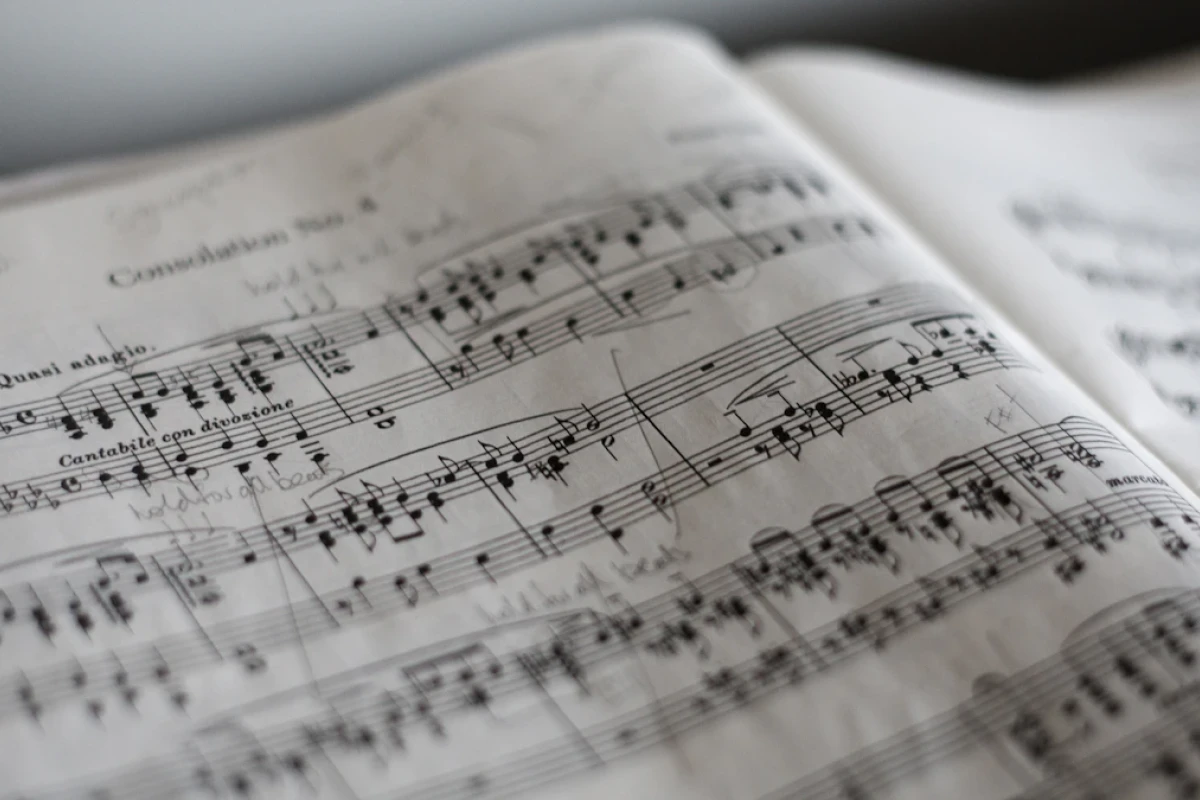
2. Structured Pedagogical Progression: From Sarali Varisai to Geethams
The beginner vocal syllabus formulated centuries ago by Saint Purandara Dasa remains the world’s most scientifically graded music curriculum. Rather than jumping directly into complex melodies, beginner students follow a systematic progression:
By practicing these exercises in three speeds (*Kala*), students internalize time subdivision naturally—a cognitive benefit that parallels our Konnakol rhythm and math training for kids.
3. Diaphragmatic Breath Culture and Vocal Health
Beginners frequently struggle with shallow throat singing, resulting in vocal fatigue after just twenty minutes of practice. Authentic Carnatic training functions as vocal yoga:
- Abdominal Respiration: Vocalists are taught to draw air deep into the lower lungs by expanding the diaphragm, sustaining long *Akaram* vowel tones without tension in the neck or shoulders.
- Microtonal Oscillation (*Gamaka*): Unlike Western equal temperament where pitches are static points, Carnatic notes feature fluid curves, shakes, and slides. Students learn delicate throat relaxation techniques to articulate these nuances effortlessly.
- Acoustic Projection: Mastering resonance in the chest (*Mandra*), throat (*Madhya*), and head (*Tara*) registers delivers natural acoustic amplification without microphone reliance, aligning with our principles of voice projection for classical singers.
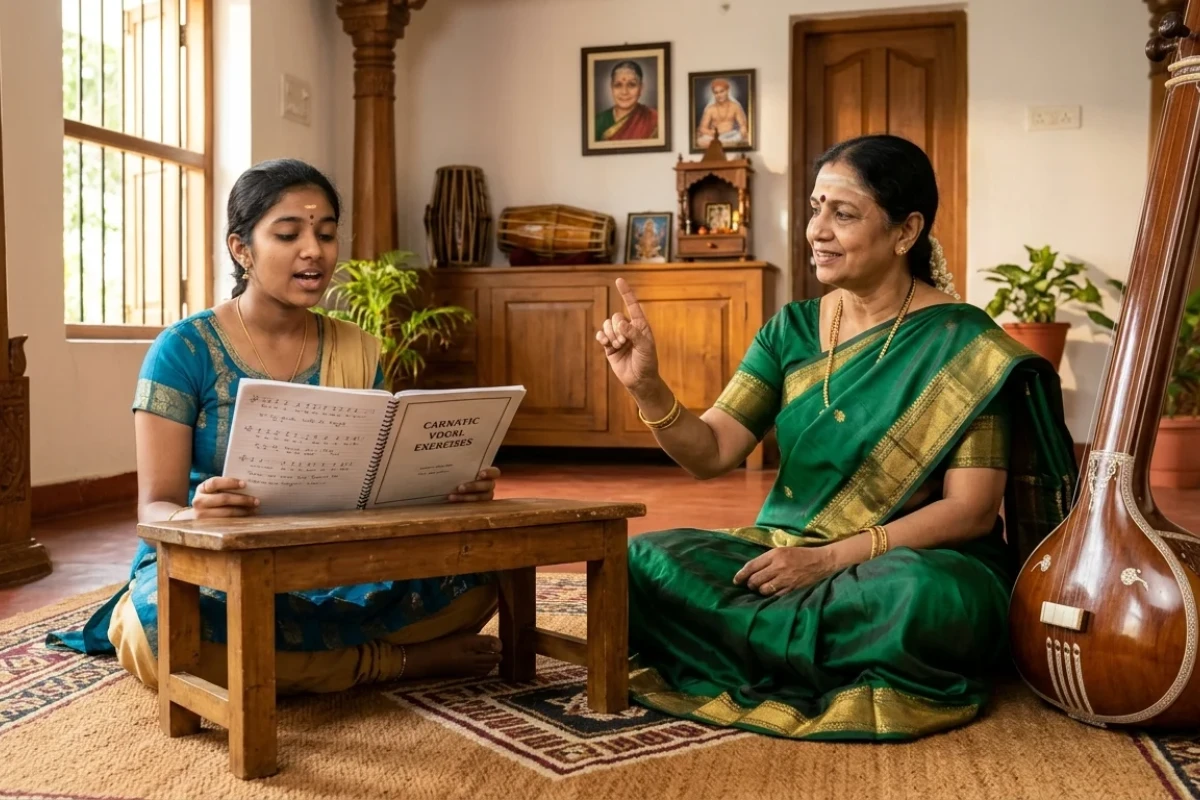
4. Adult Hobbyists and Young Learners: Tailored Batches in Bangalore
At Kailasa Kaladhara, we recognize that an eight-year-old child and a thirty-five-year-old software engineer learn differently:
- Child Batches: Engaging interactive sessions featuring melodic storytelling, slokas, and rhythm games that cultivate auditory focus, cultural connection, and memory retention.
- Adult Beginner Batches: Weekend and evening classes designed for busy professionals. Instructors provide clear musicological explanations, voice care tips, and individual feedback in a supportive, pressure-free atmosphere.
Why Learn Carnatic Vocal at Kailasa Kaladhara?
- Accomplished Vidwans & Vidushis: Patient, concert-level faculty dedicated to authentic Guru-Shishya tradition.
- Acoustically Treated Studios: Practice in noise-free, inspiring environments with authentic Tambura drones.
- Performance Opportunities: Periodic student recitals and festive concerts to build stage poise and musical confidence.
- Accessible South Bangalore Locations: Convenient studio centers located across Jayanagar, Haralur Road / HSR Layout, and BTM Layout.
Begin Your Musical Journey Today
Music is an innate human birthright, and it is never too late to discover the joy of classical singing. Whether you seek to reconnect with your roots, improve your vocal health, or master Indian ragas, Kailasa Kaladhara welcomes you.
Explore our classical vocal batches on our courses page or visit our academy branches to schedule a personalized vocal assessment today.