Carnatic music origin is a fascinating journey into the heart of South Indian classical music. This blog will explore the rich history, ancient traditions, and key figures that shaped this soulful genre of music.
Where Did Carnatic Music Begin?
Carnatic music, a distinct form of South Indian classical music, originated several centuries ago, deeply rooted in ancient Indian music traditions. Evidence points to its development in the southern part of India as a continuation and evolution from the Vedic traditions that date back thousands of years.
What Are the Historical Milestones in Carnatic Music History?
The journey of Carnatic music can be divided into significant periods. The early foundations trace back to texts like the Natya Shastra authored by Bharata Muni. Around the 14th century, the great composer Purandara Dasa, often called the “father of Carnatic music,” systematized the training process and musical structure.
Influence of Ancient Indian Music Traditions
The roots of Carnatic music are deeply embedded in the South Indian classical music tradition, which preserves elements of the ancient Raga and Tala systems. The focus on lyrical content, devotion, and complex melodic frameworks demonstrates its connection to spiritual and cultural practices of India.
Key Composers Who Shaped Carnatic Music
Composers such as Tyagaraja, Muthuswami Dikshitar, and Syama Sastri, known as the Trinity of Carnatic music, revolutionized the art form during the 18th century. Their compositions remain central to the Carnatic repertoire and showcase deep emotion, technical mastery, and intricate rhythmic patterns.
How Does Carnatic Music Differ from Other Indian Classical Styles?
While Hindustani music is the prominent classical style of North India, Carnatic music emphasizes structured compositions, devotional themes, and a fixed repertoire. It extensively uses specific ragas and talas, focusing on vocal music, even in instrumental performances.
The Role of Instruments in Carnatic Music History
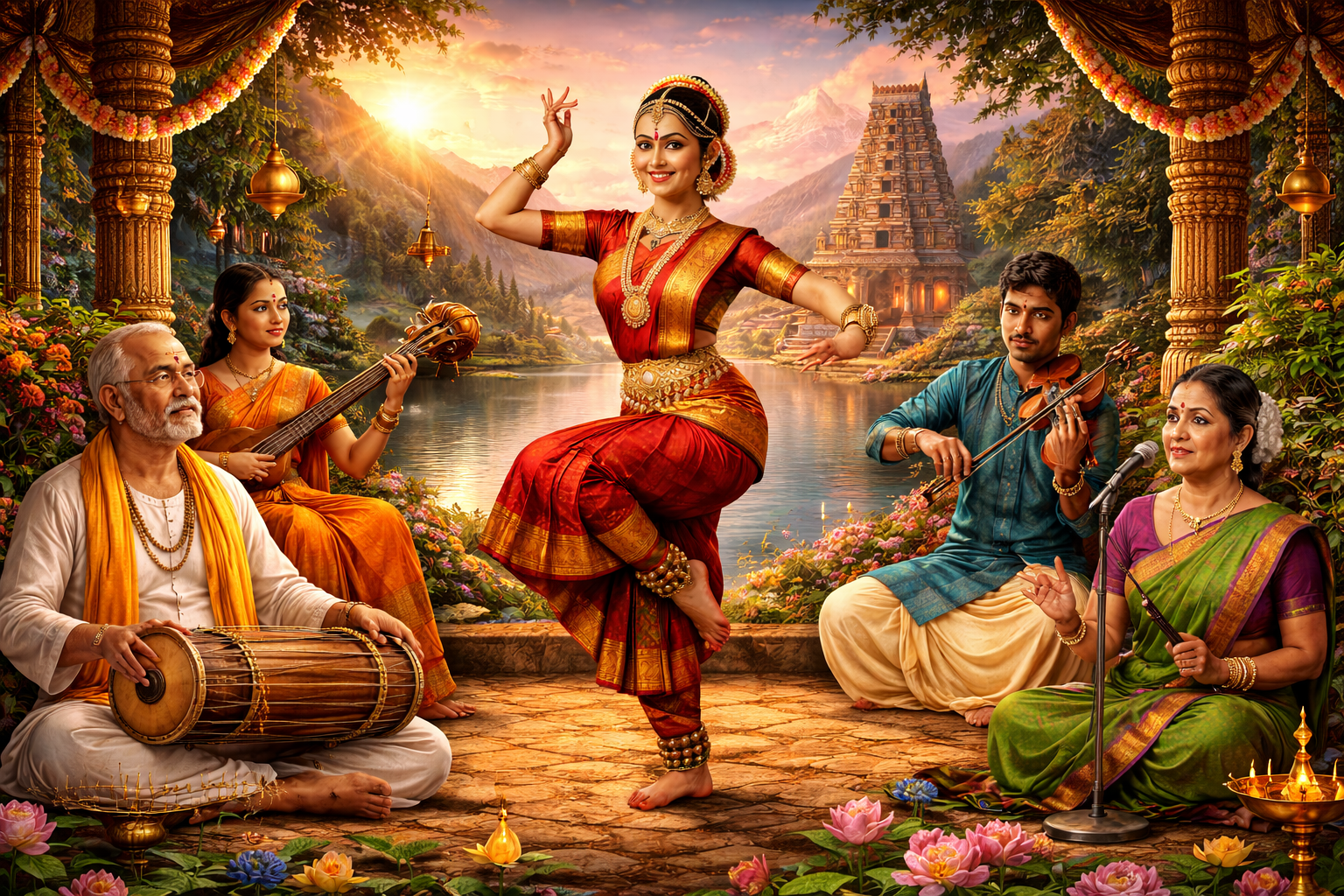
Traditional instruments such as the veena, mridangam, violin, and flute play vital roles in performance. Their unique tonal qualities complement the vocalists and create the characteristic soundscape of Carnatic music.
Preservation and Modern Evolution
Despite its ancient origins, Carnatic music continues to evolve. Contemporary artists are blending traditional styles with modern influences while preserving the core of the art. Dance schools and music institutes worldwide promote learning and appreciation of its deep heritage.
What Are the Learning Methods for Carnatic Music Today?
Learning Carnatic music involves rigorous vocal exercises, understanding of ragas and talas, and mastering compositions. Initiatives like online courses and dedicated schools, such as Kailasakaladhara, help new students immerse themselves in this classical tradition with authentic methods.
The Cultural Significance of Carnatic Music
Carnatic music is more than just an art form; it is a medium of spiritual expression and cultural identity in South India. It accompanies religious rituals, dance forms, and festivals, thus reinforcing its importance across generations.
Tracing the Carnatic Music Origin to Modern Day Appreciation
Understanding the carnatic music origin deepens one’s appreciation for its complexity and emotional depth. The history and ancient Indian music traditions embodied in Carnatic music highlight its timeless appeal and cultural richness, making it an indispensable part of the global classical music landscape.
Whether you are a music enthusiast, a student, or simply curious, exploring this genre enriches your understanding of South India’s vibrant heritage. For more tips, updates, or inspiration on the rich tradition of Carnatic music and dance, consider visiting dance course pages like Kailasakaladhara.
FAQs
- What is Carnatic music? – A classical music tradition from South India focusing on vocal and devotional compositions.
- Who is the father of Carnatic music? – Purandara Dasa is regarded as the father of Carnatic music for his systematizing efforts.
- What are the main instruments used? – Instruments like veena, mridangam, violin, and flute are key in Carnatic music.
- How is Carnatic music different from Hindustani music? – Carnatic music emphasizes structure and compositions; Hindustani is more improvisational and from North India.
- Where can I learn authentic Carnatic music today? – Online platforms and schools like Kailasakaladhara offer quality instruction in Carnatic music.
Discover more about Carnatic music by connecting with kailasa kaladhara for deeper insights and guidance.