
In Kalaripayattu, ancient masters observed wild creatures in their natural habitat and decoded how predators channel explosive power with zero wasted motion. This biomimetic wisdom culminated in the “Ashta Vadivugal”—the eight foundational animal postures.
Practicing these stances rewires the human nervous system. They teach students how to sink weight low, stabilize the pelvis, decompress the lumbar spine, and strike with primal speed.
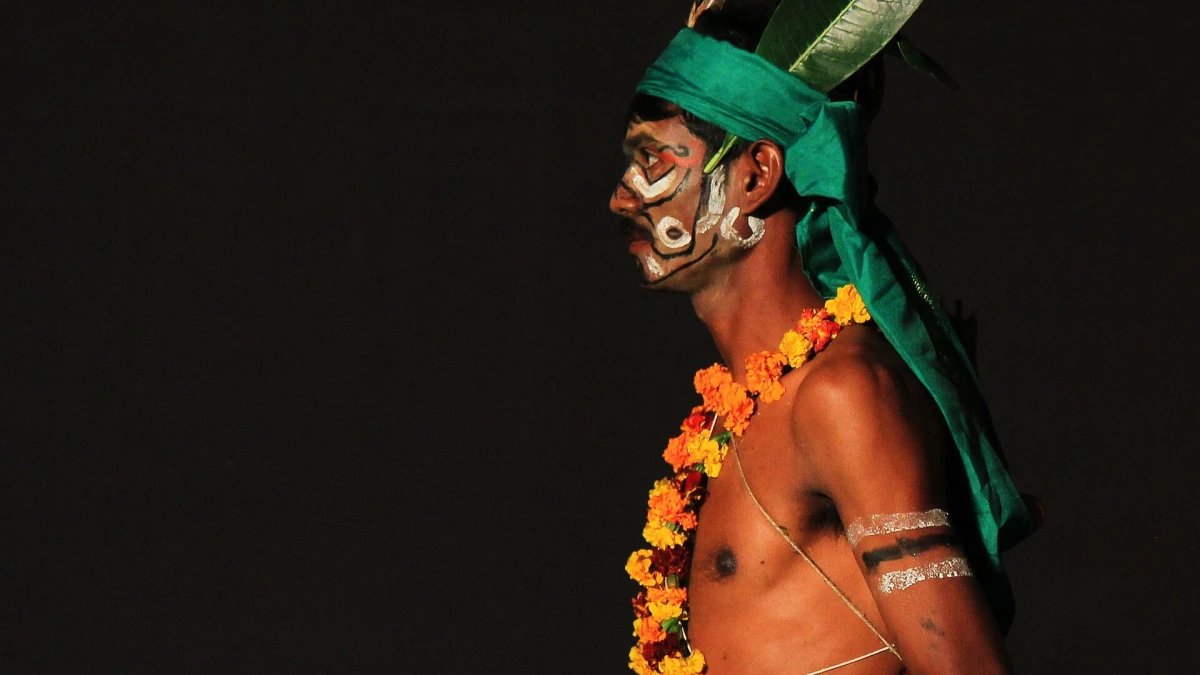
The 8 Animal Postures of Kalaripayattu
Each posture embodies a specific physical attribute and mental temperament:
- 1. Simha Vadivu (Lion Posture): Front knee deeply bent at 90 degrees with the rear leg locked straight. The chest is proud, hands curled like claws. Develops unshakeable quad strength, courage, and regal presence.
- 2. Gaja Vadivu (Elephant Posture): Sinking into a deep squat with thighs parallel to the earth and feet turned outward. Builds massive hip torque, pelvic grounding, and unstoppable forward momentum.
- 3. Ashwa Vadivu (Horse Posture): Dynamic weight shift between legs, preparing the warrior to leap instantaneously in any direction like a poised steed.
- 4. Sarpa Vadivu (Snake Posture): An ultra-low, gliding crouch skimming centimeters above the ground. Elongates the hamstrings and trains the spine to coil and strike with lethal precision.
- 5. Varaha Vadivu (Boar Posture): Compact, muscular stance with bent elbows and lowered center of gravity, designed to absorb heavy impacts and charge through defenses.
- 6. Marjara Vadivu (Cat Posture): Silent, light-footed stance resting on the balls of the feet. Fosters micro-agility, quick evasions, and vertical springing capacity.
- 7. Kukkuta Vadivu (Rooster Posture): One-legged balance with the opposite knee drawn high to protect the groin while hands jab rapidly forward.
- 8. Matsya Vadivu (Fish Posture): Fluid, lateral serpentine torso flexion designed to slip past incoming blade thrusts in close-quarters combat.
Master deep physical mobility and warrior discipline across our martial arts training.
Frequently Asked Questions
How long does it take to hold the Gaja Vadivu comfortably?
Most beginners start by holding the elephant stance for 15 to 30 seconds. With daily practice over 8 to 12 weeks, practitioners comfortably sustain deep 2-minute holds with calm rhythmic breathing.
Do dancers also practice Ashta Vadivugal?
Yes! Classical dancers in Bharatanatyam and contemporary choreography frequently cross-train in Kalari Vadivugal to gain extraordinary stage stamina, jump elevation, and grounded presence.













