
Children are natural yogis: flexible, curious, and instinctively expressive. However, modern lifestyles filled with academic pressure, competitive sports, and tablet screens often leave youngsters physically stiff, mentally restless, and emotionally overwhelmed.
Introducing children to playful, non-competitive yoga builds lifelong physical coordination, strengthens growing bones, and teaches them how to self-soothe when big emotions arise.
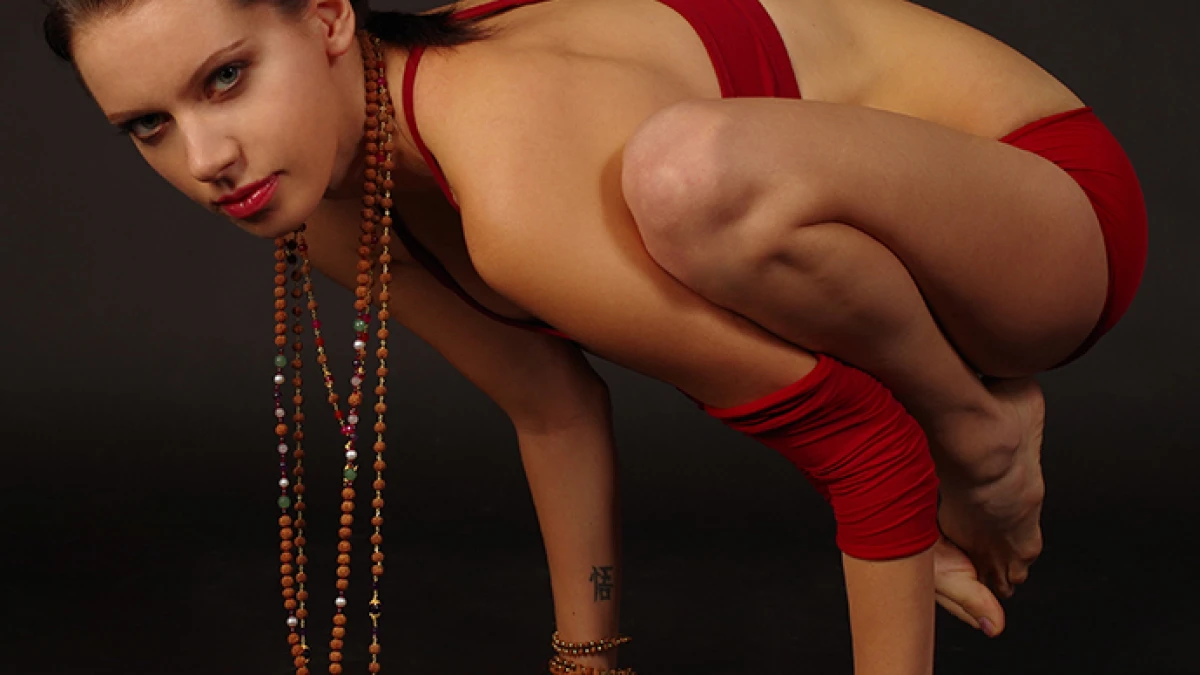
Transforming Asanas into Playful Animal Adventures
Children do not learn yoga through rigid anatomical instructions. They learn through imagination and storytelling. Classic asanas become joyful animal adventures:
- Simhasana (Lion’s Roar): Kneeling with wide paws, sticking out the tongue, and roaring softly releases pent-up classroom frustration and strengthens throat muscles.
- Vrikshasana (The Mighty Tree): Balancing on one foot while lifting branches overhead teaches patience and sensory equilibrium.
- Bhujangasana (Curious Cobra): Slithering on bellies and hissing while lifting the chest builds spinal flexibility and counters desk hunching.
- Bakasana (Playful Frog): Squatting and hopping builds explosive leg strength and hip mobility.
Enroll your child in inspiring heritage arts across our Bangalore academy centers.
Teaching Emotional Self-Regulation Through Breath
When a child is angry or anxious, telling them to “calm down” rarely works. Teaching them “Bumblebee Breath” (Bhramari) or “Balloon Belly Breathing” gives them an actionable somatic tool to slow their racing heartbeat.
Children who practice mindful breathing demonstrate greater resilience, improved emotional regulation, and superior classroom concentration.
Frequently Asked Questions
What is the best age for children to begin yoga?
Children can start interactive movement games as early as 4 or 5 years old. Structured alignment classes become highly rewarding around age 7 or 8.
Can yoga help children with ADHD or sensory sensitivities?
Yes. The predictable, grounded movements and rhythmic breathing provide soothing proprioceptive and vestibular input, helping neurodiverse children feel centered.













