
Odissi, the ancient classical dance of eastern India, is celebrated as sculpture brought to life. Originating in the temples of Odisha and immortalized on the sandstone walls of the Konark Sun Temple, Odissi is defined by two contrasting geometric postures: Chowk and Tribhanga.
Mastering these two stances gives the Odissi dancer the ability to alternate effortlessly between grounded masculine strength and sensual feminine fluidity within a single rhythmic cycle.
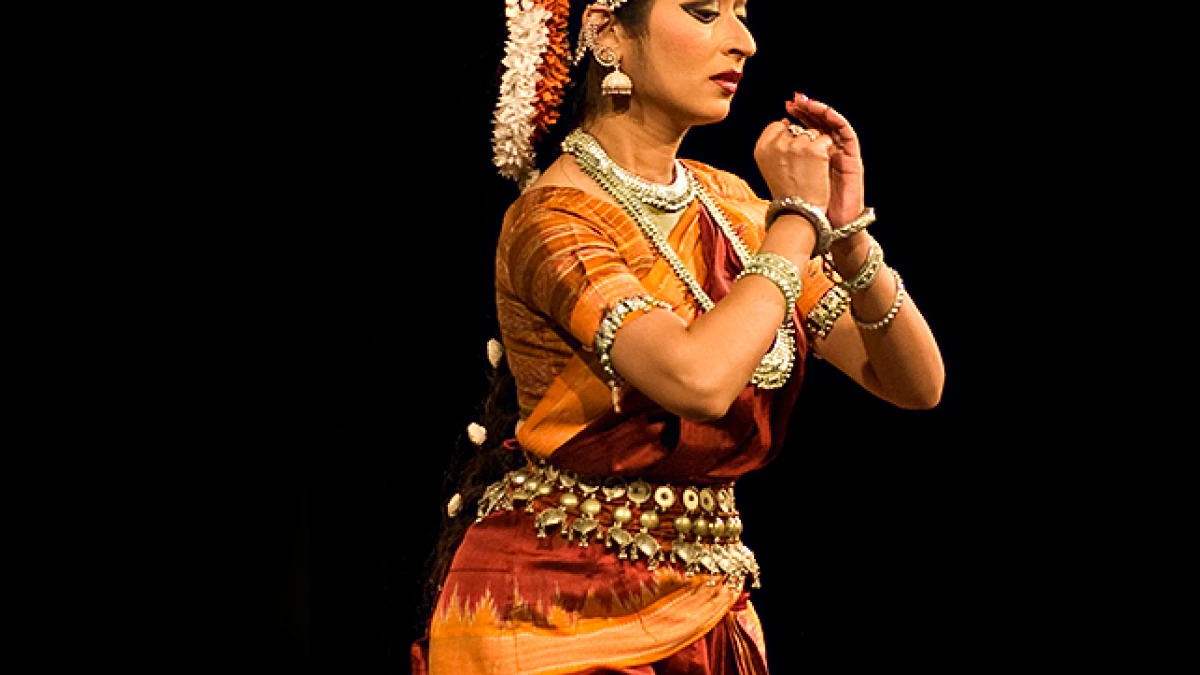
Chowk: The Grounded Square of Lord Jagannath
Chowk is the masculine, powerful fundamental posture symbolizing Lord Jagannath of Puri. The dancer assumes a wide, deep knee bend with feet turned outward at 180 degrees, thighs parallel to the floor, and arms held in a wide square rectangle with wrists bent downward.
This stance demands profound hip opening, adductor strength, and pelvic grounding. Stamping in Chowk generates rhythmic power while the upper body maintains an unyielding vertical spine.
Dancers can develop the core stability necessary for deep Chowk stances through specialized classical technique courses.
Tribhanga: The S-Shaped Poetry of Three Bends
Tribhanga translates literally to “three deflections.” In this iconic posture, the body bends in three opposite directions: the head tilts to one side, the torso curves in the opposite direction, and the hip shifts outward to the initial side.
This S-curve replicates the celestial statues (Alasa Kanyas) carved into Orissa’s ancient temples. Unlike simple hip thrusts, true Tribhanga requires delicate ribcage isolation without popping the hip unnaturally.
The Art of Torso Isolation (Bhangi)
The hallmark of Odissi that distinguishes it from all other classical styles is the chest slide. While the hips remain rooted and still, the ribcage glides horizontally from side to side.
Practicing chest isolations in front of a full-length studio mirror—available in our Bangalore dance studio spaces—trains the intercostal muscles to decouple chest motion from shoulder movement.
Frequently Asked Questions
Why are Odissi dancers adorned in silver rather than gold temple jewelry?
Odissi performers wear traditional Cuttack silver filigree (Tarakasi) jewelry, honoring regional artisanal heritage and contrasting luminously against vibrant Sambalpuri silk costumes.
Does learning Odissi require prior gymnastics flexibility?
No. Systematic training gradually opens the hips and strengthens the spinal column, allowing students of all fitness levels to build poise over time.













