
Kuchipudi, the vibrant classical dance-drama tradition of Andhra Pradesh, is celebrated for its dynamic fusion of sparkling footwork and dramatic mime. Among its most beloved traditional solo items is the Manduka Shabdam (The Story of the Frog Queen), a piece renowned for charm, humor, and spiritual transformation.
In Manduka Shabdam, the dancer transitions effortlessly between mimicking playful frogs croaking in a lotus pond, portraying King Ravana’s royal majesty, and depicting the maiden Mandodari’s enchanting grace.
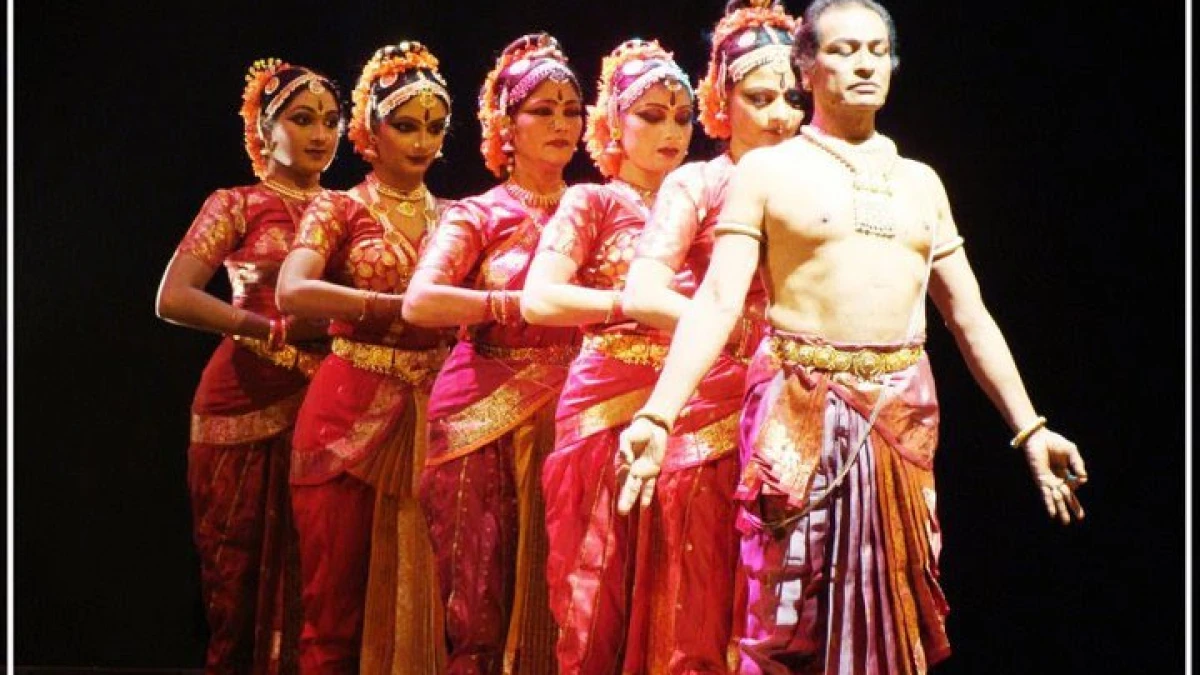
The Mythological Story Behind the Dance
The narrative begins in a serene forest pond where frogs swim, leap from lily pads, and croak happily under the afternoon sun. King Ravana arrives at the pond to quench his thirst and is captivated by a radiant frog playing in the water.
Through divine blessing, the humble frog transforms into the beautiful maiden Mandodari. Ravana falls deeply in love, offers his royal devotion, and takes her as his queen. The item balances lighthearted animal mime with elevated classical dignity.
The Technical Structure of a Shabdam
In Kuchipudi repertoire, a Shabdam follows the introductory Jatiswaram and serves as the dancer’s first major storytelling piece. It alternates between rhythmic spoken syllables (Jathis) and melodic singing (Sahityam):
- Introductory Jathi: Energetic footwork introducing the pond setting with graceful wrist rolls and buoyant leaps.
- Animal Mime: Squatting jumps (Manduka Gati), puffing cheeks, and rapid eye movements capturing a frog’s antics.
- Dramatic Transformation: Flowing Abhinaya portraying Mandodari smoothing her tresses, admiring her reflection, and stepping with royal majesty.
- Rhythmic Finale: Fast-paced concluding footwork honoring the divine narrative.
Dancers looking to study the authentic Vempati or traditional styles can explore our Kuchipudi curriculum batches.
Why Audiences of All Ages Adore This Piece
Unlike abstract dance items that require deep theoretical knowledge to appreciate, Manduka Shabdam engages viewers immediately through relatable humor, clear character shifts, and musical melody.
For young dancers, learning Manduka Shabdam builds expressive confidence. It teaches that classical dance is not rigid or distant, but an enchanting celebration of life and folklore.
Frequently Asked Questions
How does Kuchipudi footwork differ from Bharatanatyam in this piece?
While Bharatanatyam emphasizes grounded geometric stamps, Kuchipudi features buoyant bounces, swift heel-toe slides, and lilting torso undulations that bring animal mime to life.
At what stage of learning is Manduka Shabdam introduced?
Students typically learn Manduka Shabdam in their second or third year of training after mastering basic Adavus and foundational rhythmic syllables.













