
In Kathak, the feet do not merely dance; they play the drum. The rhythmic syllables recited by the artist—known as Bols—mirror the resonant strokes of the tabla and pakhawaj. Before a Kathak dancer ever stamps a foot on stage, they must speak the rhythm through the sacred art of Padhant.
Padhant is the vocal recitation of dance syllables accompanied by hand claps (Tali) and silent waves (Khali) that mark the rhythmic cycle. Mastering this oral discipline trains the ear, lungs, and feet to operate in flawless unison.
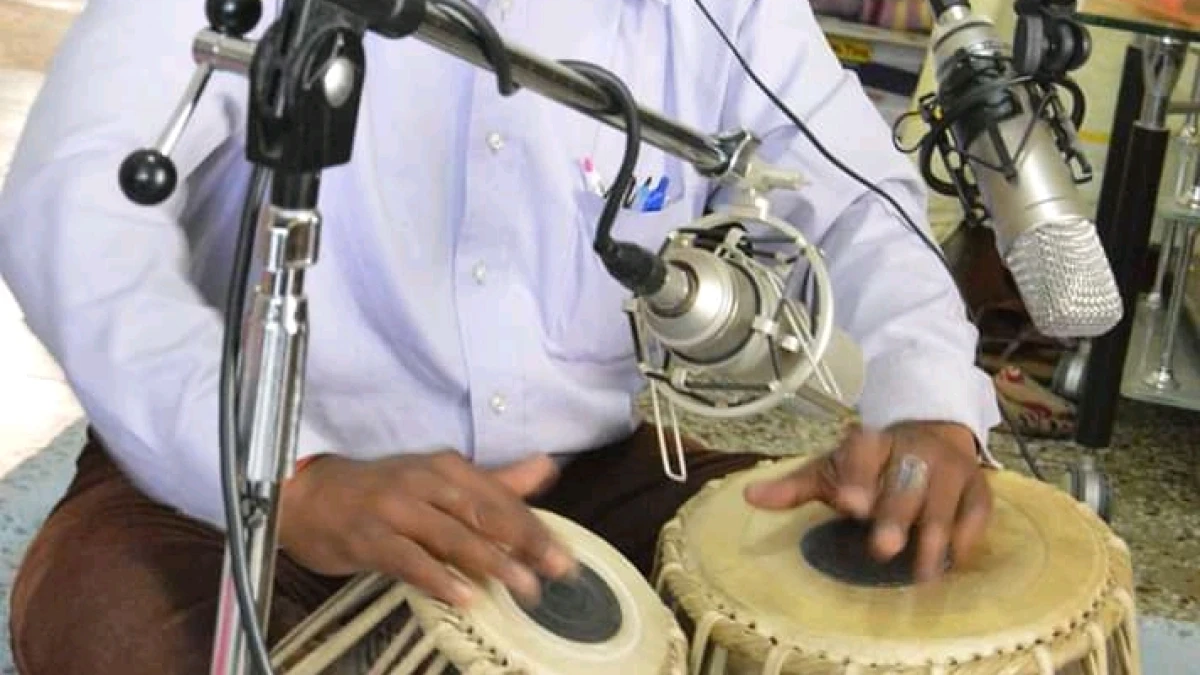
Understanding Teental: The King of Classical Rhythms
Teental is the sixteen-beat rhythmic cycle that forms the core training ground of North Indian classical dance and music. It is organized symmetrically into four equal sections (Vibhags) of four beats each:
- Vibhag 1 (Beats 1–4): Dha Dhin Dhin Dha (Marked by a firm clap on Beat 1, the Sum).
- Vibhag 2 (Beats 5–8): Dha Dhin Dhin Dha (Marked by a clap on Beat 5, the second Tali).
- Vibhag 3 (Beats 9–12): Dha Tin Tin Ta (Marked by an open wave on Beat 9, the Khali).
- Vibhag 4 (Beats 13–16): Ta Dhin Dhin Dha (Marked by a clap on Beat 13, the third Tali).
The cycle resolves back to Beat 1 (Sum), where the climax of rhythmic patterns and spins must land with pin-sharp finality.
The Essential Vocabulary of Kathak Syllables
Different bols carry distinct acoustic colors that your feet and voice must produce accurately:
- Dha & Dhin: Resonant, grounded, open strokes played on the base of the drum and stamped firmly with the flat sole of the foot.
- Ta & Tin: Crisp, sharp, closed non-resonant strokes produced near the rim of the drum and tapped lightly with the ball of the foot.
- Tigda Digdig: Fast rolling syllables that demand agile alternating heel-toe footwork in Drut (fast) tempo.
You can experience firsthand how rhythmic bols enhance cognitive clarity through our foundation Kathak classes.
Connecting Padhant to Footwork (Tatkar)
The golden rule of Kathak is simple: What the tongue cannot recite cleanly, the feet cannot dance cleanly. When reciting bols during practice, enunciate every consonant sharply. Slurred speech produces muddy footwork.
Practice reciting a Toda or Tukra at slow tempo (Vilambit), medium tempo (Madhya), and double speed (Drut) while tapping your hand claps without accelerating the underlying pulse.
Frequently Asked Questions
Why do dancers clap with their hands while performing Padhant on stage?
Clapping is not just for keeping time; it visually demonstrates the dancer’s mastery of the Tala structure to the audience and musicians before translating that rhythm into footwork.
Can learning Kathak bols help children excel in mathematics and memory?
Yes. Navigating complex subdivisions of beats, polyrhythms, and mental calculations builds sharp analytical memory and focus in young students.













