
Every Indian classical dance form—from Bharatanatyam and Kathak to Kuchipudi and Odissi—derives its artistic architecture from three core branches: Nritta, Nritya, and Natya. Codified in Bharata Muni’s Natya Shastra, understanding these distinctions transforms a student from a mechanical performer into an insightful artist.
While an audience experiences a performance as a seamless flow of beauty, dancers carefully calibrate their execution between pure geometric rhythm, lyrical interpretation, and full dramatic theater.
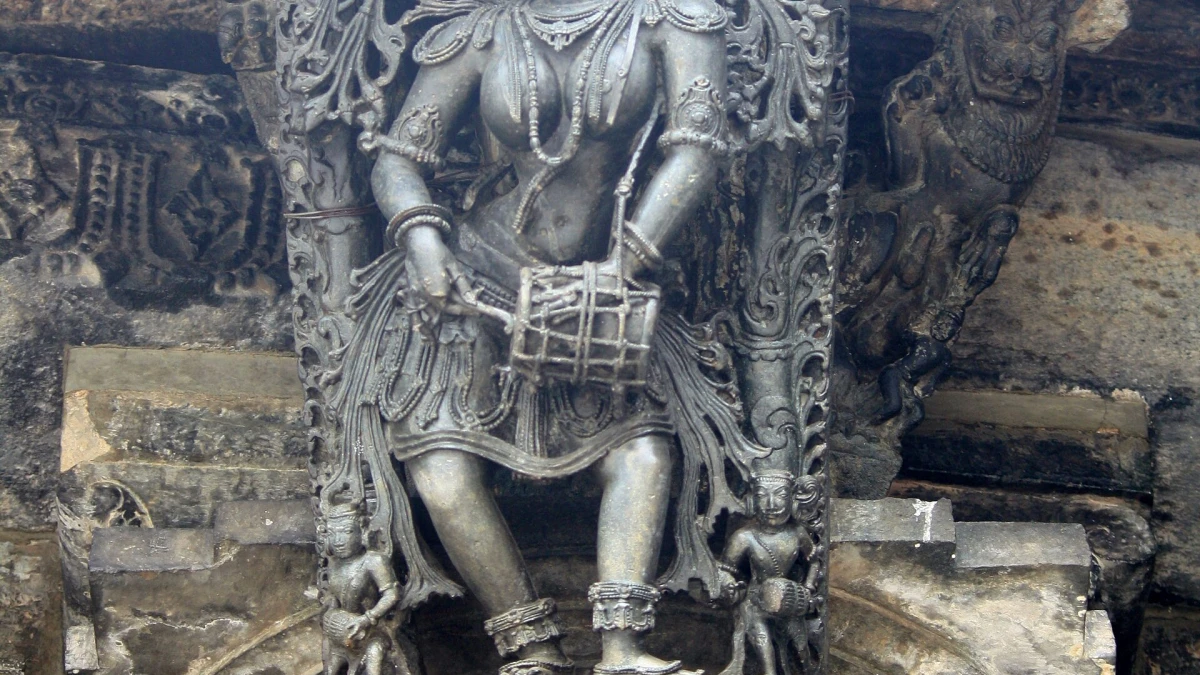
Nritta: The Beauty of Pure Rhythmic Geometry
Nritta refers to pure abstract dance movements devoid of narrative meaning, emotional portrayal, or character acting. Its purpose is to create visual joy through clean spatial lines, rhythmic footwork, and sculptural body poses.
Examples of Nritta include foundational Adavus, intricate Kathak Tukras, and items like the Alarippu or Jatiswaram. The dancer focuses entirely on Tala (meter), Laya (tempo), and Angashuddhi (bodily clarity).
Students refine their Nritta precision through regular practice drills available in our graded dance curriculum.
Nritya: The Fusion of Rhythm and Poetic Emotion
Nritya introduces emotional storytelling (Abhinaya) set to musical melody and lyrical poetry. In Nritya, hand gestures (Mudras) and facial expressions bring the poetic verses to life while feet maintain rhythmic accompaniment.
Classic Nritya items include Shabdam, Padams, and the elaborate Varnam. Here, the dancer acts as an interpreter, translating devotion, longing, joy, and existential philosophy into moving visual language.
Balancing footwork speed with delicate facial micro-expressions represents one of the most rewarding milestones in a dancer’s artistic evolution.
Natya: Full Theatrical Drama and Role Play
Natya represents dramatic storytelling where dialogue, mime, costumed characterization, and plot come together. In traditional Natya, performers assume specific dramatic roles—such as Rama, Ravana, or Shakuntala—and carry a multi-scene theatrical storyline.
Dance dramas (Kuruvanji in Tamil Nadu, Yakshagana in Karnataka, and traditional Kuchipudi Bhagavatams) epitomize Natya, blending music, spoken verse, and physical enactment into complete community theater.
| Element | Focus | Primary Tools | Classic Example |
|---|---|---|---|
| Nritta | Pure rhythm & beauty | Adavus, Tala, Angas | Alarippu, Jatiswaram |
| Nritya | Emotion & meaning | Mudras, Bhava, Lyrics | Varnam, Padam |
| Natya | Dramatic play | Character, Dialogue, Plot | Dance Drama, Yakshagana |
Whether you are preparing for formal certification exams or exploring dance as a soulful hobby, understanding this framework builds deep artistic reverence across our academy classrooms.
Frequently Asked Questions
Why does a performance start with Nritta rather than Nritya?
Opening with Nritta items like Alarippu warms up the dancer’s joints, tunes the ears to the musical scale, and cleanses the stage space before deep emotional storytelling unfolds.
Can adults appreciate dance theory without learning physical steps?
Yes. Art lovers, critics, and parents who understand Nritta, Nritya, and Natya enjoy classical concerts with far deeper insight and emotional resonance.













