
An Arangetram is the formal solo stage debut of a Bharatanatyam dancer, symbolizing years of dedicated discipleship under a Guru. Translating literally to “ascending the stage,” this milestone requires intensive artistic, physical, and organizational preparation over twelve focused months.
Completing a full traditional Margam—lasting two to three hours with a live musical orchestra—tests stamina, musical intuition, and artistic maturity. Here is the structured roadmap to ensure a triumphant debut.
Months 1 to 4: Margam Finalization & Repertoire Polish
The first trimester focuses on locking in the performance items: Pushpanjali, Alarippu, Jatiswaram, Shabdam, the central Varnam, chosen Padams, and the concluding Thillana and Mangalam.
The Varnam forms the intellectual and physical centerpiece of the evening, lasting 30 to 45 minutes of continuous rhythm and Abhinaya. Polishing its complex Jathis ensures rhythmic precision under stage spotlights.
During this stage, dancers benefit from structured practice inside private dance rehearsal studios where wooden sprung floors prevent shin splints and tendon fatigue.
Months 5 to 8: Stamina Conditioning & Live Musician Rehearsals
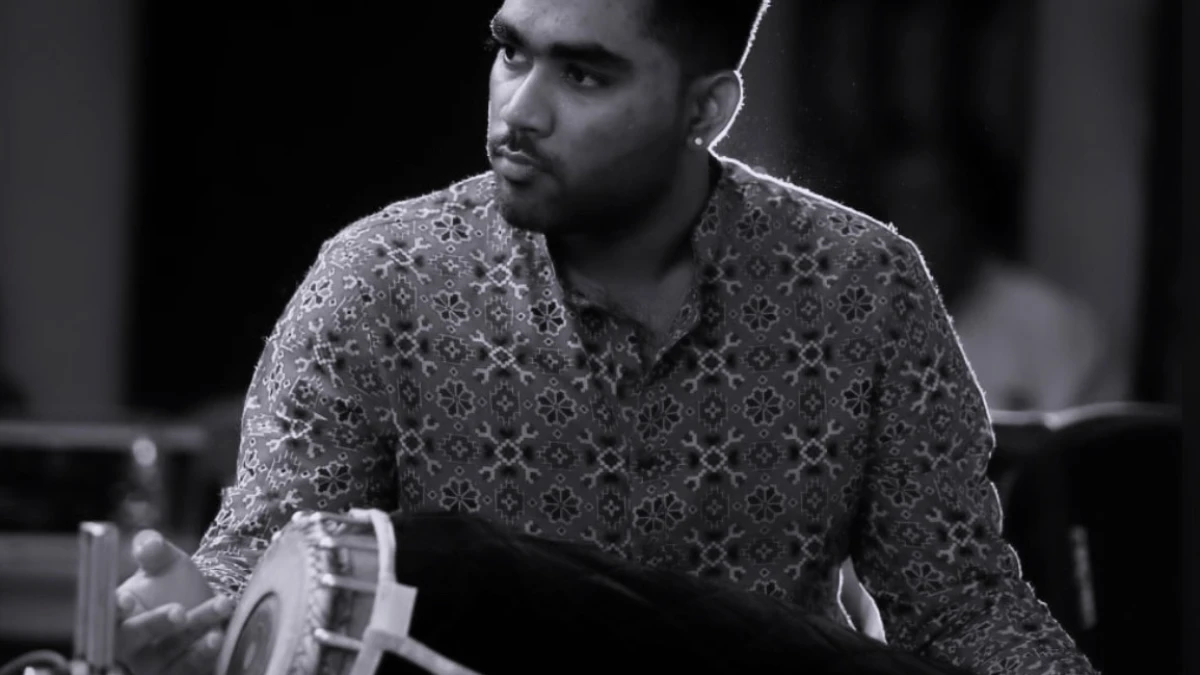
Dancing to recorded audio is very different from responding to live musicians. Live rehearsals with the Nattuvanar, vocalist, mridangist, violinist, and flautist require acute rhythmic listening and flexibility.
Physical conditioning must peak during this period. Dancers should incorporate cardiovascular training, core planks, and targeted lower-body stretches to sustain deep Aramandi throughout consecutive fast-paced Jathis.
Our senior faculty conducts intensive rehearsal modules across our specialized academy branches to build stage presence.
Months 9 to 12: Costume Fittings, Stage Lighting & Technical Run-Throughs
The final quarter centers on stagecraft and logistics. Order pure silk tailored costumes early to allow full mobility trials during dress rehearsals.
Key checkpoints for the final sixty days include:
- Costume Mobility Test: Ensure waist belts, pleats, and head ornaments do not loosen during rapid spins.
- Stage Tech Run: Verify front wash, warm spotlights, and monitor audio levels at the auditorium.
- Full Dress Rehearsal: Execute the entire 2.5-hour repertoire in sequence without stopping to simulate live stage fatigue.
- Dietary Routine: Prioritize complex carbohydrates, electrolyte hydration, and adequate sleep to protect immunity.
Frequently Asked Questions
How many years of training are required before an Arangetram?
Most students train consistently for 6 to 8 years before achieving the technical maturity, musical understanding, and physical endurance required for a complete Margam debut.
Can an adult student perform an Arangetram?
Absolutely. Many dedicated adult learners who began dancing later in life successfully complete their Arangetrams with inspiring poise and expressive depth.













