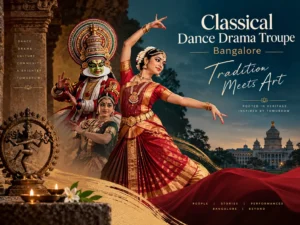
Arangetram marks a monumental milestone in the journey of any classical dancer, signaling their readiness to perform a full-length recital after years of dedicated training. This sacred dance debut not only showcases technical prowess but also the artistic maturity and emotional depth acquired over time. For aspiring artists and enthusiasts alike, understanding the nuances of the arangetram offers a window into one of the richest cultural traditions in Indian classical dance.
What Is Arangetram and Why Is It So Important?
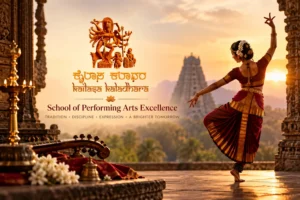
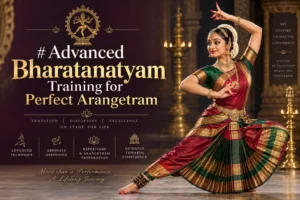
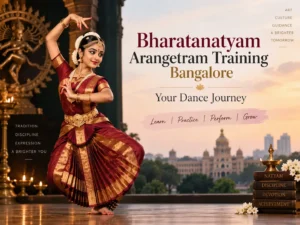
Simply put, an arangetram is the first public performance of a student of Indian classical dance, particularly Bharatanatyam. The term literally means “ascending the stage,” symbolizing the dancer’s readiness to take their art to a public platform. Traditionally, it marks the completion of rigorous training, allowing the artist to demonstrate their proficiency and expressiveness in front of an audience.
How Does the Bharatanatyam Arangetram Ceremony Unfold?
The arangetram ceremony is both a spiritual and festive occasion. It usually begins with invoking blessings from the deity Nataraja, the cosmic dancer. Key segments of the ceremony include:
- Invocation (Pushpanjali)
- Solo performance of various pieces like Alarippu, Jatiswaram, Varnam, Padams, Tillana, and Mangalam
- Recognition and felicitation of the dancer
- Participation of the guru or teacher to acknowledge the student’s growth
This detailed program not only tests the dancer’s technical skill but also their interpretative abilities, emotional range, and stamina.
The Historical Roots of Arangetram
The practice of arangetram originated several centuries ago, rooted in the temple traditions of South India. It finds its foundation in the Natya Shastra—an ancient Sanskrit text written by Bharata Muni, regarded as the father of Indian classical dance. This sacred text outlined performance arts that became the blueprint for Bharatanatyam and other classical forms.
What Are the Physical and Mental Preparations Required?
Preparing for an arangetram extends beyond mastering choreography. Dancers spend months honing stamina, flexibility, and facial expressions to convey complex emotions effectively. Mental preparedness includes building confidence and focus to perform flawlessly before a live audience. Nutrition, rigorous daily practice, and meditation often form an integral part of this preparation process.
Breaking Down the Dance Sequences in Bharatanatyam Arangetram
Bharatanatyam’s structured repertoire during an arangetram includes:
- Alarippu: A rhythmic invocatory piece
- Jatiswaram: Pure dance focusing on rhythm and footwork
- Varnam: The central piece combining both dance and expression
- Padams and Javalis: Expressive storytelling through dance
- Tillana: A lively finale showcasing technical brilliance
- Mangalam: A concluding benediction
Each segment requires depth and dedication, making mastery an impressive achievement.
Why Do Families Invest So Much Emotion and Time in Arangetram?
For many families, the arangetram ceremony symbolizes cultural heritage and discipline. It acts as a rite of passage, recognizing the dancer’s perseverance and commitment. The event often strengthens family bonds and community pride as guests gather to celebrate this auspicious occasion.
How Can One Choose the Right Guru for a Successful Dance Debut?
A guru’s role is pivotal in shaping a dancer’s journey toward arangetram. The right teacher provides technical guidance, emotional support, and a deep understanding of the art form’s history and philosophy. When looking for guidance, it’s beneficial to seek a mentor with a strong lineage and proven success in leading students to a polished dance debut. Interested learners can explore dedicated bharatanatyam courses to find expert instructors and comprehensive training modules.
Comparing Dance Debut Practices Across Different Indian Classical Dance Forms
| Dance Form | Debut Name | Typical Duration of Training | Key Focus |
|---|---|---|---|
| Bharatanatyam | Arangetram | 8-10 years | Expression, rhythm, stamina |
| Kuchipudi | Rangapravesham | 7-9 years | Grace and storytelling |
| Kathak | Paranget | 6-8 years | Footwork, improvisation |
This comparison highlights the unique emphases and timelines involved, underscoring the dedication needed for a dance debut.
What Are the Common Challenges Faced by Arangetram Performers?
Performers can encounter various obstacles including:
- Balancing rigorous practice with academic or personal life
- Managing stage fright
- Financial commitments related to costumes, venue, and musical accompaniment
- Physical injuries or exhaustion during preparation
Developing resilience and effective planning helps dancers overcome these challenges.
The Role of Music and Costume in Enhancing the Arangetram Experience
Music and costume are indispensable in setting the tone and authenticity of an arangetram. Live Carnatic music is preferred to complement the dancer’s movements, emphasizing the narrative and rhythm. The costume, typically a vibrant silk saree adorned with temple jewelry, not only accentuates the dancer’s form but also connects the performance to tradition.
Conclusion
In essence, the arangetram represents much more than just a dance debut; it’s a culmination of artistry, discipline, and cultural storytelling. As dancers take their first steps on the stage, they not only fulfill personal ambitions but also honor a centuries-old tradition that continues to inspire generations. For those seeking guidance or inspiration to embark on this journey, Kailasakaladhara offers expert support and resources. Visit the contact us page to explore how you can be a part of this timeless tradition.
FAQs
- What is the average duration of training before an arangetram? Typically 7 to 10 years depending on the student’s dedication and training frequency.
- Can arangetram be performed in dance forms other than Bharatanatyam? Yes, most Indian classical dances have similar debut ceremonies with different names.
- Is live music mandatory for an arangetram performance? Traditionally, yes, as it enhances synchronization and expression.
- Who typically attends an arangetram ceremony? Family, friends, gurus, and dance enthusiasts commonly attend to support the dancer.
- Can adult learners also perform arangetram? Absolutely, age is not a barrier in Indian classical dance for performing an arangetram.