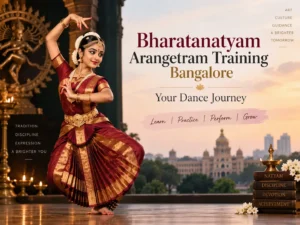
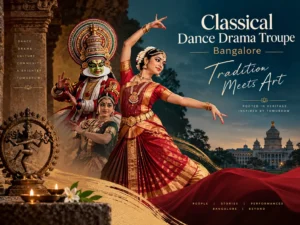
Bharatnatyam dance stands as one of the most cherished and ancient classical Indian dance forms that tells stories through rhythmic movements and expressive gestures. Rooted deep in India’s cultural and spiritual traditions, this temple dance has evolved but retained its essence over centuries. This blog explores the nuances of Bharatnatyam dance, its historical significance, and why it continues to captivate performers and audiences worldwide. To dive deeper into the dance’s journey, visit this bharatnatyam dance resource.
What Makes Bharatnatyam Dance Unique Among Traditional Dance Forms?
Bharatnatyam is distinguished by its fixed upper torso, bent legs, intricate footwork, and a sophisticated vocabulary of hand gestures (mudras). This dance form originally developed in Tamil Nadu as a form of devotion in temples, often considered a spiritual offering. The precision combined with storytelling ability sets it apart in classical Indian dance.
The Historical Roots and Evolution
This form dates back over 2,000 years, with origins linked to the Natya Shastra, the ancient Sanskrit text on performing arts attributed to Bharata Muni. The dance was traditionally performed by the Devadasis in temples, embodying the divine stories of Hindu gods and goddesses. Over time, it was revived and redefined by legends like Rukmini Devi Arundale and Balasaraswati, preserving its purity while making it accessible to a global audience.
Are There Scientific Studies Supporting Its Benefits?
Recent research highlights the physical and mental benefits of practicing Bharatnatyam, including improved coordination, enhanced concentration, and emotional expression. Studies also point to its role in cultural identity and social cohesion, making it more than an art form but a holistic practice.
The Intricate Components of Bharatnatyam Dance
| Component | Description |
|---|---|
| Adavus | Basic steps and movements forming the foundation |
| Abhinaya | Expressive facial gestures and emotions conveying stories |
| Nritya | Solo dance combining rhythmic movements and expressions |
| Nritta | Purely rhythmic dance without narrative elements |
Where Can One Experience Bharatnatyam as a Temple Dance Today?
While historically performed in temples, today Bharatnatyam dance is showcased on global stages and in cultural festivals. Temple dance’s spiritual aspect remains integral, with performances often held during religious celebrations. Many dance academies focus on maintaining the devotional purity while adapting to modern contexts, blending tradition with innovation.
Role of Costume and Music in Enhancing the Performance
The colorful costumes, jewelry, and traditional make-up add to the visual storytelling, while the Carnatic music, usually including vocals, mridangam, and flute, sets the rhythm and mood. Each element is meticulously designed to complement the choreography and narrative flow.
How Does Bharatnatyam Dance Inspire New Generations?
Its combination of discipline, spirituality, and artistry makes Bharatnatyam an inspiring pursuit for young dancers worldwide. Dance schools provide structured training programs encouraging creativity and cultural pride. For contemporary insight and motivation, exploring the journey of practitioners across generations is enlightening. To stay connected with evolving styles and teachings, check out this classical Indian dance platform on Instagram.
The Global Footprint of Bharatnatyam Dance
Bharatnatyam’s graceful movements transcend borders, making it a favored dance form globally among enthusiasts of Indian culture. Many international workshops and performances increase awareness and appreciation, leading to cultural exchange and fusion dances that honor the original temple dance ethos.
The Future of Traditional Dance Forms in India
As India modernizes, traditional dance forms like Bharatnatyam face challenges of retaining authenticity while appealing to younger audiences. However, efforts by dedicated artists and institutions ensure these classical arts not only survive but thrive, bridging past and present with innovation.
Key Figures Who Shaped Bharatnatyam Dance
Besides Bharata Muni, pioneers like Rukmini Devi Arundale are credited with popularizing Bharatnatyam beyond temple walls, setting standards for training and performance. Their visionary work laid the foundation distinguishing it as a revered classical Indian dance tradition.
In conclusion, bharatnatyam dance is more than a series of movements; it is a vibrant blend of art, spirituality, and culture. Kailasakaladhara continues to nurture this invaluable heritage, inviting enthusiasts to explore and participate in this timeless dance tradition. For more in-depth knowledge and guidance, feel free to contact us today.
FAQs
- What is bharatnatyam dance? It is a classical Indian dance form known for its storytelling through movements.
- Where did bharatnatyam originate? It originated in Tamil Nadu as a temple dance.
- Who is called the father of bharatnatyam? Bharata Muni is credited as the ancient author of Natya Shastra, the foundational text.
- Can bharatnatyam be performed outside temples? Yes, it is widely performed on stages globally now.
- What are the key elements in bharatnatyam? Adavus (basic steps), abhinaya (expressions), and music form its core.