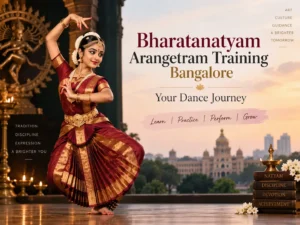
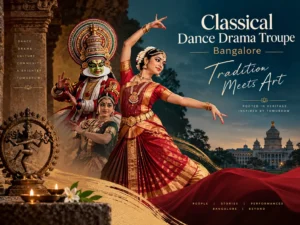
Bharatanatyam dance is one of the oldest and most revered forms of Indian classical dance, captivating audiences worldwide with its vivid storytelling and intricate expressions. Today, we’ll dive deep into its origin, significance, and unique features. Whether you are a curious learner or an enthusiast, this guide sheds light on the essence of bharatanatyam dance and its connection to the rich cultural heritage of India.
What Are the Historical Roots of Bharatanatyam Dance?
Bharatanatyam’s origins trace back over 2,000 years, deeply intertwined with the ancient text, the Natyashastra, authored by the sage Bharata. It was predominantly performed as a temple dance in Tamil Nadu’s sacred shrines, serving as a medium to narrate mythological tales and spiritual concepts. Its form evolved under the patronage of kings and the devotion of temple dancers called Devadasis.
The Connection between Bharatanatyam and the Natyashastra
The Natyashastra is often described as the classical handbook for performing arts in India. It defines the techniques, gestures, and emotions that form the base of Bharatanatyam dance. This highly structured framework allows performers to convey complex stories using hand mudras (gestures), facial expressions, and rhythmic footwork.
How Does Bharatanatyam Dance Reflect Indian Culture?
Bharatanatyam is much more than a dance; it’s a cultural expression reflecting India’s spiritual beliefs and artistic traditions. The dance incorporates themes from Hindu mythology, celebrating gods like Shiva and Krishna through expressive storytelling. Every movement connects the audience to ancient rituals and philosophies, making it a living narrative of India’s heritage.
Key Elements That Define Bharatanatyam
Several distinct features characterize Bharatanatyam:
- Adavus: Basic steps forming the rhythmic foundation
- Abhinaya: Expressive gestures conveying emotions
- Temple dance origins: Performed traditionally in temple courtyards
- Mudras: Symbolic hand movements
- Rhythm and music: Accompanied by Carnatic music and rhythmic patterns
Who Pioneered Bharatanatyam in Modern Times?
Rukmini Devi Arundale is widely credited as the pioneer who brought Bharatanatyam from temple sanctuaries to global stages. She redefined the dance by adapting it for concert performances, enabling wider appreciation. Her efforts established Bharatanatyam as a respected art form internationally.
Why Is Bharatanatyam Considered a Supreme Form of Indian Classical Dance?
The depth of expression, discipline, and cultural storytelling distinguishes Bharatanatyam among its counterparts. It flawlessly combines technique with emotion, and its foundation in the Natyashastra makes it a comprehensive performance art that educates and entertains simultaneously. As one of the key styles of Indian classical dance, it stands as a testimony to India’s rich artistic legacy.
How Can New Learners Start Bharatanatyam Dance Training?
Starting with a reputable dance school helps immensely, where students learn the fundamentals of Adavus and musicality. Consistent practice of posture, expressions, and rhythm is essential. Dance institutions often blend traditional methods with modern pedagogy, making learning accessible for beginners.
What Role Does Bharatanatyam Play in Contemporary India?
Today, Bharatanatyam thrives as both a sacred ritual and a performing art on theaters worldwide. It has transcended its temple dance origins to find a place in films, fusion performances, and international festivals. Artists continuously innovate while preserving its classical roots.
Comparing Bharatanatyam with Other Indian Classical Dance Forms
| Aspect | Bharatanatyam | Other Forms (e.g., Kathak, Odissi) |
|---|---|---|
| Origin | Temple dance in Tamil Nadu | Palace or storytelling forms in North/East India |
| Dance Style | Rigid postures with angular movements | Fluid and circular movements |
| Music | Carnatic classical | Hindustani or regional classical |
| Storytelling | Mythological and spiritual themes | Folklore and romantic themes |
What Is the Importance of Expressions in Bharatanatyam?
Expressive storytelling, or ‘Abhinaya,’ is the heart of Bharatanatyam. It enables the dancer to communicate the mood and narrative vividly to the audience. Facial muscles, eyes, and subtle gestures play a crucial role in invoking emotions, bringing myths and legends to life.
To delve deeper into the art and learn from skilled instructors, consider exploring dedicated courses that nurture passion and technique. The journey through bharatanatyam dance opens doors to profound cultural experiences and personal growth.
In conclusion, bharatanatyam dance remains a shining emblem of India’s cultural brilliance. Institutions like kailasa kaladhara continue to spread its legacy with authentic teachings and performances. For those intrigued by this timeless tradition, visiting their contact page offers invaluable resources and opportunities to immerse oneself in this elegant dance form.
FAQs
- What is Bharatanatyam dance? A classical Indian dance form originating from Tamil Nadu focusing on storytelling through movement.
- Who founded Bharatanatyam? It traces back to sage Bharata and was popularized in modern times by Rukmini Devi Arundale.
- What is Natyashastra? An ancient Indian treatise on performing arts that guides Bharatanatyam techniques.
- Is Bharatanatyam performed only in temples? Originally yes, but it is now widely performed on stages worldwide.
- How long does it take to learn Bharatanatyam? It varies, but mastering basics may take a few years of dedicated practice.