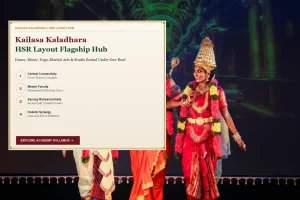
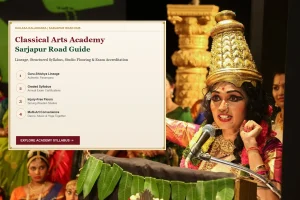
Kathak dancer embodies a deeply expressive form of classical Indian dance celebrated for its intricate footwork and storytelling. This blog dives into the rich tradition of Kathak, exploring its origins, styles, and the essence of a Kathak performance. Alongside, we will discuss Kathak choreography and what it takes to become a skilled practitioner of this mesmerizing dance form.
Tracing the Roots: How Did Kathak Begin?
Kathak originated from northern India, with roots tracing back to ancient storytellers known as Kathakars. These performers narrated mythological tales through rhythmic movements and expressive gestures. It evolved over centuries, particularly influenced by Mughal culture during the medieval period, which brought grace and refined costumes to the dance.
What Defines a Kathak Dancer’s Style?
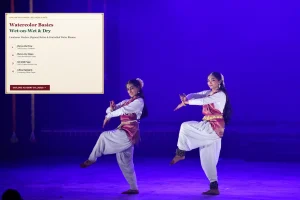
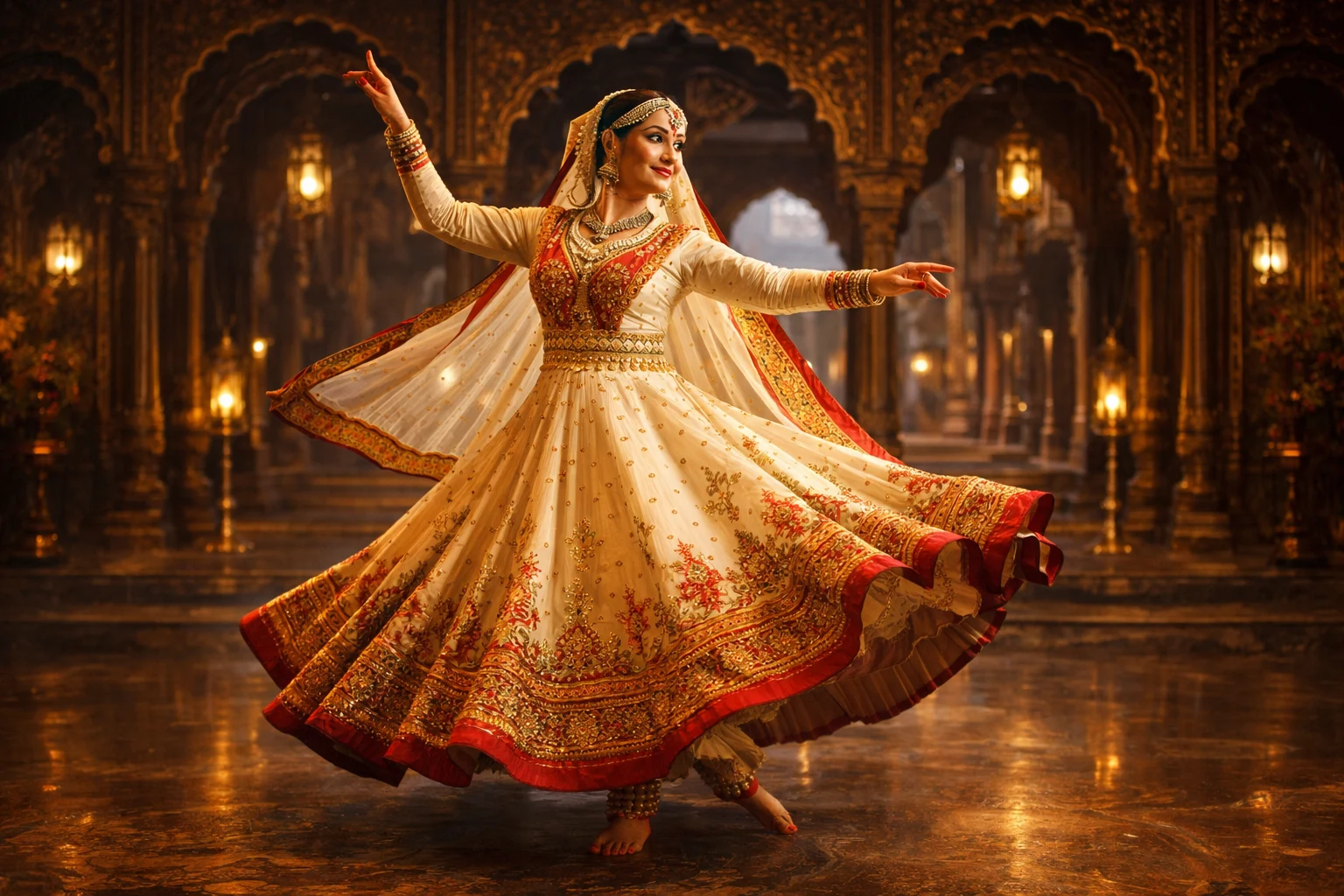
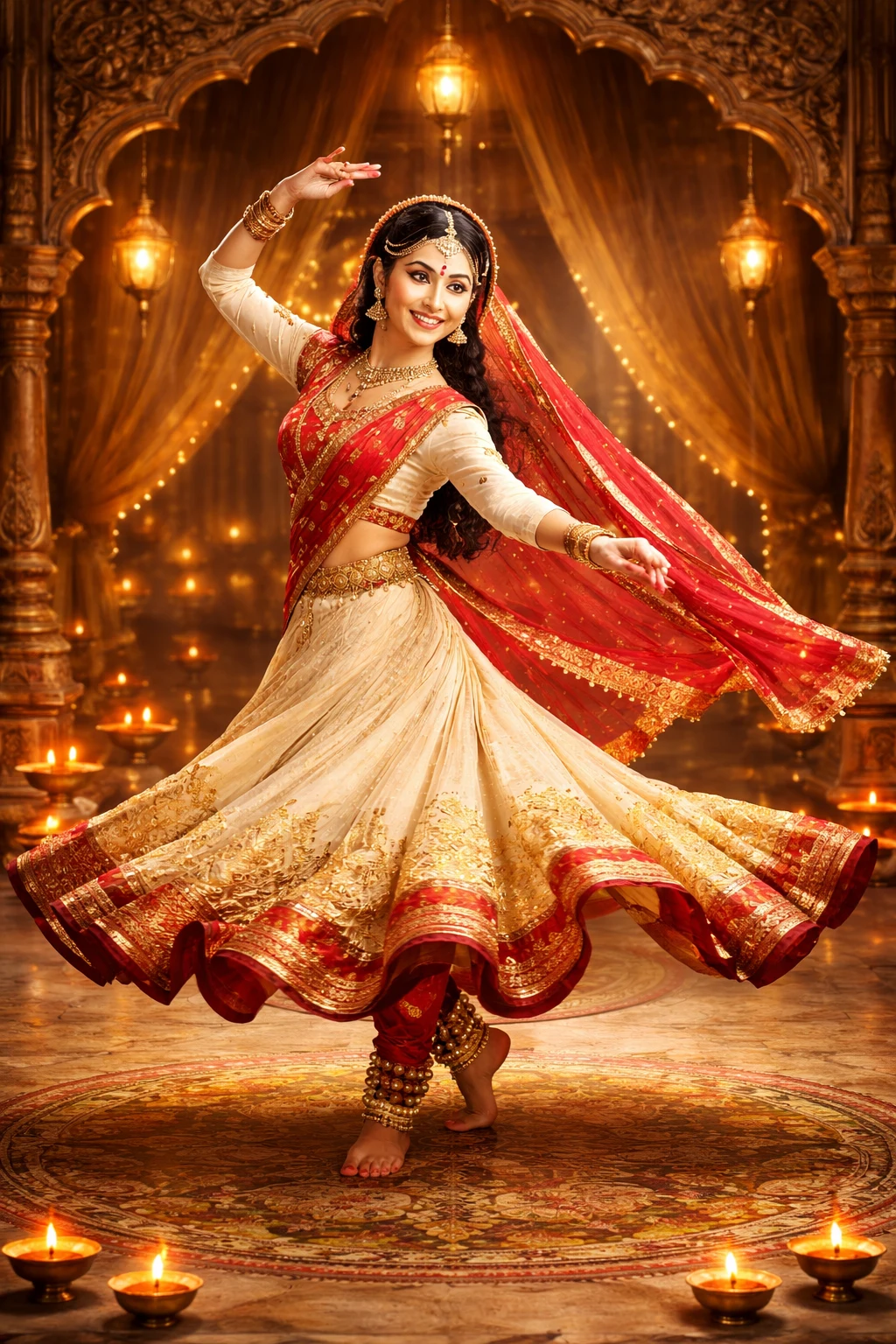
A skilled Kathak dancer combines expression, rhythm, and swift foot movements to convey stories. The dancer wears traditional attire including a flowing skirt or churidar, adorned with ghungroos—small bells tied around the ankles that accentuate footwork sounds. The dance showcases detailed facial expressions (abhinaya), spins, and clear rhythmic patterns.
The Three Gharanas of Kathak: Distinct Flavors
Three main schools or gharanas shape Kathak’s style:
- Lucknow Gharana: Focuses on grace, delicate expressions, and emotive storytelling.
- Jaipur Gharana: Emphasizes powerful footwork and intricate rhythmic patterns.
- Banaras Gharana: Known for its devotional themes and subtle footwork nuances.
Each gharana enriches Kathak’s diversity and influences choreography choices.
What Role Does Kathak Choreography Play in Performances?
Kathak choreography blends traditional elements with contemporary innovations, allowing dancers to reinterpret classical stories or create fresh narratives. Choreographers focus on synchronizing hand gestures, eye movements, and foot rhythms to evoke emotions effectively. This balance between tradition and creativity keeps the art form vibrant.
Training to Become a Kathak Dancer: Discipline and Dedication
Mastering Kathak requires years of rigorous practice under experienced gurus. The training emphasizes posture, timing, and understanding rhythm cycles called tala. Regular practice of intricate footwork sequences and expressive storytelling helps dancers develop finesse and endurance. The discipline also involves learning classical music and Sanskrit literature to deepen interpretive skills.
The Importance of Rhythm and Footwork in Kathak
Rhythm is central to Kathak, where dancers use ghungroos to produce a musical dialogue with the accompanying tabla and harmonium players. Precise footwork patterns like tukras, parans, and tihais build the performance’s tempo. Research shows that footwork intricacy not only enhances visual beauty but also strengthens neurological coordination and memory.
How Does a Kathak Performance Engage the Audience?
A Kathak performance is a mesmerizing blend of dance, music, and storytelling that captivates audiences. Dancers communicate epic tales through compelling abhinaya—the art of expression involving facial movements, eye gestures, and body language. Well-planned choreography and musicianship create a captivating dynamic, making spectators experience the story deeply.
The Cultural Impact of Kathak Dancers Today
Contemporary Kathak dancers continue to preserve this classical Indian dance form while also expanding its reach globally. Festivals and cultural programs spotlight Kathak for its artistic and historical significance. Many dancers blend Kathak with other dance styles, pushing creative boundaries without losing classical roots. The dance connects generations and promotes Indian culture worldwide.
How Can Learning Kathak Enhance Personal Growth?
Practicing Kathak builds physical fitness, improves posture, and sharpens concentration. The discipline enhances emotional intelligence by encouraging self-expression through gestures and stories. Students also develop a deep appreciation for classical Indian music and literature. Engaging in Kathak can foster creativity and boost confidence.
Future Directions: What’s Next for Kathak Dancers?
As Kathak evolves, dancers and choreographers experiment with contemporary themes and multimedia presentations. Workshops and online classes make learning more accessible worldwide. The integration of Kathak into global cultural dialogues aids in preserving this classical Indian dance for future generations.
For those keen on exploring more about classical Indian dance, discovering detailed Kathak techniques and performances can be incredibly rewarding. Dance enthusiasts are encouraged to visit dance course pages to stay inspired and updated on upcoming events.
In conclusion, the Kathak dancer carries forward a magnificent tradition blending rhythm, narrative, and grace. Institutions like kailasa kaladhara provide vital platforms for nurturing talent and spreading this art form. Whether as a performer or admirer, engaging with Kathak enriches cultural understanding and personal fulfillment.
FAQs
- What is the origin of Kathak dance? Kathak originated from northern India, rooted in ancient storytelling traditions.
- How long does it take to learn Kathak? It usually requires several years of consistent practice to master the basics and advanced techniques.
- What are ghungroos and why are they important? Ghungroos are ankle bells worn by dancers to accentuate rhythmic footwork and enhance musical experience.
- Can Kathak be combined with other dance styles? Yes, many contemporary artists blend Kathak with other forms while respecting its classical essence.
- Where can I watch professional Kathak performances? Professional shows are held at cultural festivals, dedicated dance theaters, and online streaming platforms.