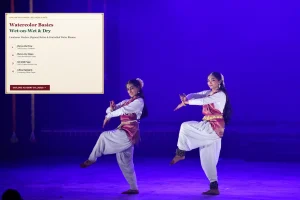
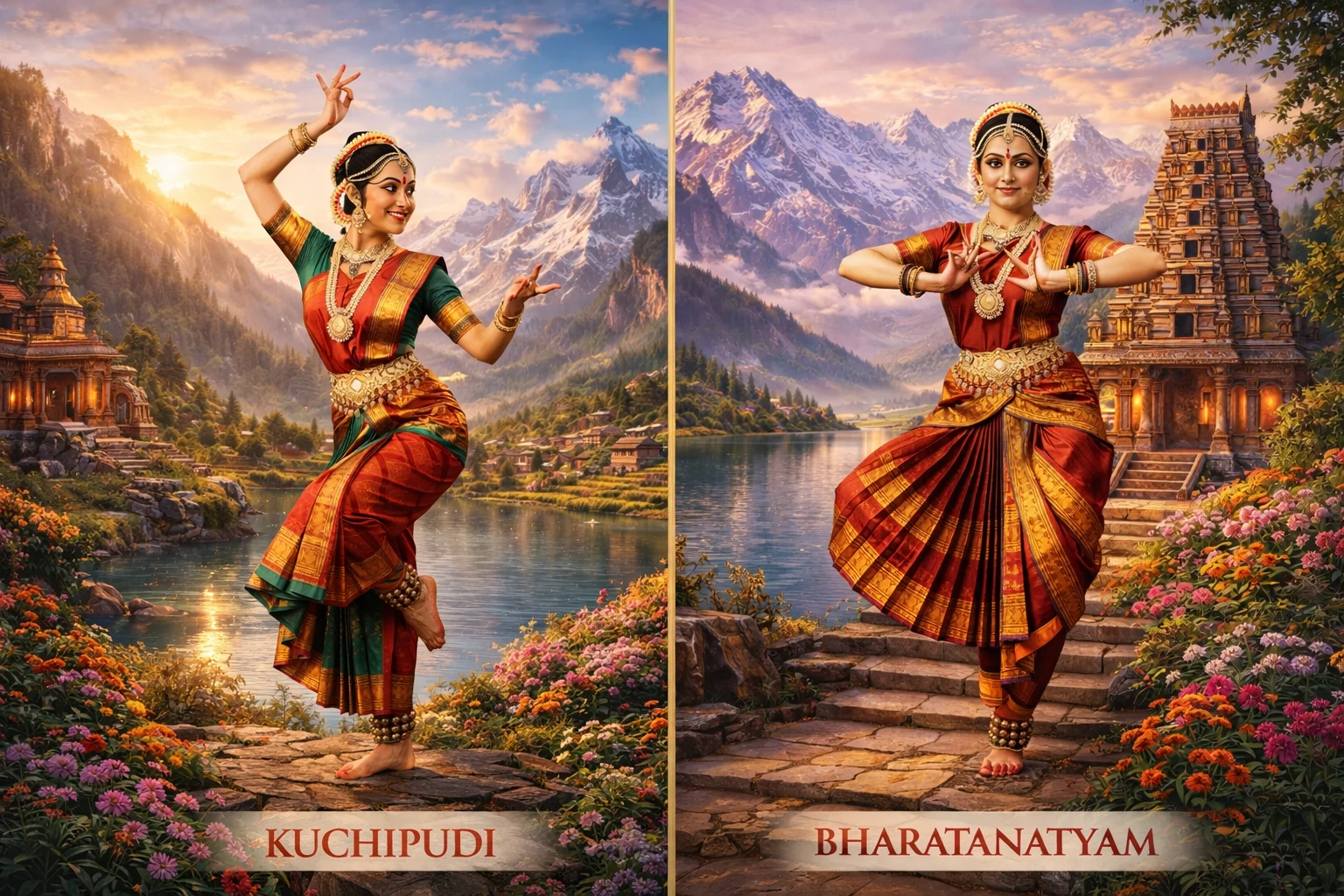
Difference between kuchipudi and bharatanatyam is a captivating topic for anyone interested in classical Indian dance. This blog will explore key contrasts and nuances between these two ancient dance forms, highlighting their styles, techniques, origins, and cultural significance. For those eager to dive deep into the artistic expressions of India, understanding the difference between kuchipudi and bharatanatyam offers valuable insights into their unique identities.
What Sets Kuchipudi Dance Style Apart?
Kuchipudi originated in the village of Kuchipudi in Andhra Pradesh. It is named after this place and combines dance with drama, often narrating stories through expressive gestures and rhythmic footwork.
Kuchipudi’s hallmark is its swift movements and dramatic narrative technique, which is distinct from other classical forms. As per studies in performing arts, Kuchipudi embraces more fluid torso movements and lighter foot taps, often integrating ballet-like poses that showcase an elegant yet storytelling vibe.
Exploring Bharatanatyam Techniques
Bharatanatyam is one of the oldest and most widely practiced classical Indian dances, tracing back over 2,000 years to Tamil Nadu temple traditions. Named after the ancient treatise Natya Shastra’s author Bharata, it is characterized by fixed upper torsos, bent legs, and intricate footwork.
The dance emphasizes symmetry, controlled movements, and expression through hand gestures (mudras) and facial expressions. Bharatanatyam techniques are methodical and precise, projecting spiritual themes and philosophical ideas, making it both a visual and meditative experience.
How Do Movements Differ Between Kuchipudi and Bharatanatyam?
The primary distinction in movements lies in Kuchipudi’s dynamic and flexible style compared with Bharatanatyam’s rigid and deliberate motions. Kuchipudi incorporates dramatic expressions, including dialogues during performances. Bharatanatyam, by contrast, maintains a solid frame with clearly defined patterns and geometric poses.
Cultural and Historical Roots of Both Dances
Kuchipudi traces its roots to the Bhakti movement during the 17th century and is traditionally performed as a solo recital or group drama. It is often spiritual but uses more theatrical storytelling to engage audiences.
Bharatanatyam, historically tied to temple rituals, serves as devotion to the gods through highly codified gestures and sequences, making it a deeply ritualistic practice rooted in Hindu mythology.
What Makes the Costuming and Music Unique?
Kuchipudi costumes are generally lighter with elaborate jewelry, allowing freer body movement. The music combines classical Carnatic rhythms with folk tunes, enhancing its expressive drama.
Bharatanatyam costumes are more traditional and heavier, featuring pleated fans in the front. The dance usually accompanies Carnatic classical music emphasizing vocals and instruments like the mridangam and veena.
Audience Experience and Performance Settings
Audience engagement varies: Kuchipudi performances often involve direct interaction and dramatic appeal, offering an entertaining narrative flow. Bharatanatyam recitals focus on spiritual storytelling with formal stage settings, eliciting contemplation and awe from viewers.
Can One Master Both Kuchipudi and Bharatanatyam?
While mastering either dance form demands rigorous training, many dancers choose to specialize. Yet, cross-training is common to enrich mastery. Dancers learn how different Kuchipudi dance style elements complement Bharatanatyam’s structured techniques, sharpening their versatility.
Influential Pioneers of Kuchipudi and Bharatanatyam
Pioneers like Vempati Chinna Satyam have been instrumental in popularizing Kuchipudi globally. In Bharatanatyam, Rukmini Devi Arundale revolutionized the art form by taking it from temples to concert stages worldwide. Their contributions shaped how these classical dances are taught and perceived today.
Technical Comparison Chart
| Aspect | Kuchipudi | Bharatanatyam |
|---|---|---|
| Origin | Andhra Pradesh, 17th century | Tamil Nadu, over 2000 years ago |
| Dance Style | Dynamic, fluid, dramatic | Rigid, geometric, spiritual |
| Costume | Light, flexible jewelry | Heavier, pleated with fan |
| Music | Carnatic + folk | Carnatic classical |
| Performance | Storytelling with dialogues | Pure dance with mudras |
How Do These Classical Indian Dance Differences Reflect Cultural Diversity?
The differences reveal diverse cultural expressions across India’s regions, integrating local customs, religious practices, and artistic preferences. Kuchipudi’s dance-drama format caters to storytelling traditions prevalent in Telugu culture, whereas Bharatanatyam’s temple origins reflect Tamil Nadu’s ceremonial spiritualism.
Both forms, however, underscore India’s richness in intangible heritage and offer practitioners and audiences alike a profound connection to history and art.
Conclusion
Understanding the difference between kuchipudi and bharatanatyam enriches appreciation of India’s classical dances. Each dance form, with its distinct techniques and storytelling methods, contributes uniquely to India’s cultural tapestry. For enthusiasts and learners, Kailasakaladhara offers an excellent platform to delve deeper into these styles. Feel free to contact us for further information, tips, and inspiration to advance your journey in classical dance.
FAQs
- What is the key difference between Kuchipudi and Bharatanatyam? Kuchipudi is more fluid and dramatic, Bharatanatyam is rigid and geometric.
- Which dance form uses more dramatic storytelling? Kuchipudi incorporates dance-drama elements extensively.
- Are the music styles different in these dances? Yes, Kuchipudi blends Carnatic and folk music, Bharatanatyam uses pure Carnatic music.
- Can beginners learn both styles simultaneously? While possible, focusing on one first is recommended due to complexity.
- Who are the famous exponents of these dances? Vempati Chinna Satyam for Kuchipudi and Rukmini Devi Arundale for Bharatanatyam.