Easy traditional warli art captures the essence of a centuries-old tribal style that is both beginner-friendly and deeply symbolic. This blog explores how you can start creating your own Warli art by understanding simple warli painting techniques and patterns. For those curious about this charming tribal art form, you can learn more about easy traditional warli art and the basics to jumpstart your artistic journey.
What Makes Warli Art So Unique and Accessible?
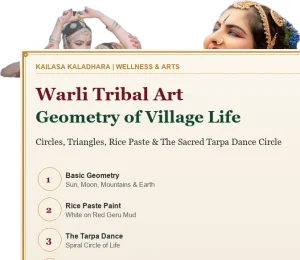
Originating from the Warli tribe in Maharashtra, India, this art form is based on basic geometric shapes like circles, triangles, and squares that come together in beautiful narratives of everyday village life. Its simplicity makes Warli art highly approachable for novices and hobbyists.
The art primarily uses white pigment on a mud base, portraying scenes of farming, hunting, dancing, and celebrations. Such visuals are rich with cultural significance, representing the connection between nature and human life passed down by Warli artists like Jivya Soma Mashe, often hailed as the father of modern Warli painting.
How Can Beginners Start with Warli Art Patterns?
If you’re new, starting with basic warli art patterns is key. These include stick figures, animals, trees, and simple geometric shapes that form the core of Warli storytelling. Using just a brush or a twig, beginners can recreate these motifs and evolve them.
- Begin with a simple circle to represent the sun or moon.
- Use triangles to depict mountains or trees.
- Draw repetitive stick figures arranged in a circular dance.
- Combine straight and angled lines to illustrate huts and animals.
Gradually layering these patterns builds a rich composition, allowing even a novice to understand the interplay between symbols that make Warli art an enchanting craft.
What Are Some Simple Warli Painting Techniques That Enhance Creativity?
Traditional Warli art relies on minimal materials and straightforward methods, which ironically offer creative freedom. Here are some foundational approaches:
- Use a monochrome palette, predominantly white on dark background.
- Apply paint with thin brushes or handmade sticks for finer lines.
- Maintain consistent size and spacing for stick figures to create harmony.
- Experiment with symmetry and repetition to simulate patterns in nature and events.
Exploring Warli art techniques on digital platforms can provide delightful insights and inspire new ideas, especially for anyone exploring warli art for beginners.
How Does Warli Art Reflect Cultural Storytelling?
Warli art is more than decoration; it’s a visual narration of life and beliefs. Each pattern tells a story—from the harvest cycle to tribal rituals. For decades, artists have engraved their lifestyle through these simplistic yet profound visuals.
An example includes the Saptarishi constellation represented through seven dots with lines connecting them, symbolizing the tribe’s celestial beliefs. Warli art patterns function as an oral history translated into shapes and symbols, preserving the tribe’s legacy for generations.
Can Warli Art Be Used For Modern Decorative Purposes?
Absolutely. The timeless charm of Warli art has found a place in contemporary interiors and fashion. Many designers incorporate these simple warli painting techniques into home décor, fabrics, and accessories, blending tradition with modern aesthetics while respecting its roots.
Creating your own art using easy traditional warli art guidelines can personalize your space or crafts while keeping a connection to Indian heritage alive.
Conclusion
Embracing the easy traditional warli art style offers a captivating entry point into the world of Indian tribal art. Its straightforward patterns and techniques allow anyone, from an enthusiastic beginner to an experienced artist, to engage with a centuries-old cultural treasure. If you are inspired to dive deeper into this art form and want expert guidance or personalized tips, consider reaching out to kailasa kaladhara for all the latest updates and inspiration.
FAQs
- What materials are needed for Warli art? Warli art typically requires white pigment, a dark background, and basic brushes or sticks.
- Is Warli art difficult for beginners? No, its simple geometric patterns make it perfect for those new to painting.
- Can Warli art be done on canvas? Yes, modern artists often use canvas apart from traditional walls or paper.
- What do Warli paintings symbolize? They depict nature, daily life, tribal customs, and spiritual beliefs.
- How can I learn more Warli art techniques? Exploring tutorials and following artists online, like those sharing Warli art techniques, can greatly help.