Easy traditional Warli art is a captivating form of tribal painting originating from the Warli tribe in Maharashtra, India. Known for its simplistic yet meaningful designs, it’s a perfect art form for beginners and art lovers alike. This blog will explore the essence of Warli art, walking you through Warli art techniques, demonstrating step by step Warli painting methods, and showcasing some simple Warli designs that anyone can try at home.
What Is Traditional Warli Art and Who Created It?
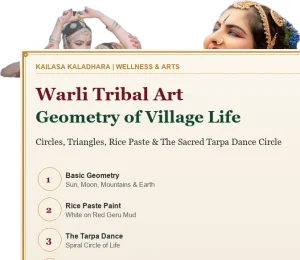
Warli painting traces back to the Warli tribe, one of India’s oldest tribes, primarily settled in the western Indian state of Maharashtra. The art form was pioneered by the community elders who depicted their everyday lives and beliefs using rudimentary geometric shapes like circles, triangles, and squares. The circles symbolize the sun and moon, triangles represent mountains or trees, and squares depict sacred enclosures. It was essentially a form of storytelling and religious expression that dates back hundreds of years, crafted originally by tribal women using rice paste on mud walls.
How Can You Start with Easy Traditional Warli Art?
Starting with easy traditional Warli art is more accessible than many presume. You don’t need expansive art supplies or years of experience—just some basic tools and patience. Here’s how you can begin:
- Gather simple materials – white paint or white rice paste, a broomstick or fine brush, and a brown or ochre surface (paper, canvas, or wall).
- Understand the basic shapes – circles, triangles, and lines form the core of Warli pictograms.
- Learn the common motifs – human figures, animals, trees, and daily activities like farming or dancing.
- Sketch your design outline lightly before filling in details.
The beauty of Warli art lies in its minimalism. The figures are often just stick-like images, but they narrate stories of harmony with nature, festivities, and tribal culture. For more detailed inspiration about Warli art techniques, enthusiasts often explore contemporary adaptations to add their flair.
Which Simple Warli Designs Are Beginner-Friendly?
Beginners often find solace in straightforward Warli designs that focus on easily recognizable scenes. Here are some simple concepts to try:
- Dancing Figures: Draw multiple stick figures with their hands joined in a circle to depict traditional tribal dance.
- Animals: Use triangles and circles to craft peacocks, monkeys, or deer common in Warli art.
- Farming Scenes: Portray ploughing using oxen and tribal farmers using straight lines and geometric forms.
- Home and Nature: Trees demonstrated by overlapping triangles and domiciles shown with squares and patterns.
Practicing these designs repeatedly helps grasp the foundational Warli art techniques, enhancing your confidence to experiment with more complex patterns and compositions.
Are There Specific Tools That Facilitate Step by Step Warli Painting?
While traditional Warli artists used natural materials like rice paste and bamboo sticks, modern enthusiasts enjoy greater flexibility. Here’s a quick comparison:
| Traditional Tools | Modern Alternatives |
|---|---|
| Rice paste for paint | White acrylic paint or poster colors |
| Bamboo stick or twig brush | Fine paintbrushes or fine liners |
| mud walls or cloth canvas | Brown craft paper, canvas boards |
The crucial aspect is consistency in lines and simplicity in shapes. You can opt for a stepwise approach:
- Start with a light pencil sketch outlining figures and objects.
- Trace over the design with white paint or ink.
- Fill in small details like dots and lines to add texture.
- Allow it to dry completely before displaying or framing.
This structured manner helps break down the painting process, making it enjoyable and less intimidating.
How Has Warli Art Adapted in Contemporary Times?
Warli art has evolved beyond walls of tribal homes into canvases, textiles, murals, and even digital art. Many artists are integrating traditional motifs with modern-day stories and social messages, expanding the scope beyond cultural narratives. The use of simple Warli designs in graphic art and decor has popularized this tribal art style worldwide. Its rustic charm and minimalistic attractiveness make it ideal for modern interior themes and fashion collections.
For those seeking regular inspiration and learning resources on Warli art, exploring social media platforms and specialized art pages offers a wealth of knowledge.
Where Can You Find Authentic Guidance on Warli Art?
Learning traditional art forms requires guidance from experts familiar with the culture and technique. Exploring online communities and workshops can significantly aid understanding. Furthermore, Guadalajara’s Kailasakaladhara offers extensive resources and courses that enrich your knowledge not only about traditional dance art forms but occasionally delve into traditional arts, including painting techniques. Keeping yourself engaged with such organizations ensures you stay updated with the latest trends and techniques.
Incorporating these methods ensures your journey with Warli art is both educational and fun.
In conclusion, embracing easy traditional Warli art opens doors to a rich cultural legacy expressed with simplicity and elegance. Its unique geometric patterns and stories bring a fresh perspective to any art enthusiast’s collection. If you’re inspired and want to dive deeper into traditional Indian art forms or seek expert guidance, consider reaching out to kailasa kaladhara for more tips, updates, and inspiration to enhance your artistic journey.
FAQs
- What materials are needed for easy traditional Warli art? Basic white paint, a fine brush, and a brown surface are sufficient to begin.
- Is Warli art difficult to learn? Not at all; with simple shapes and patterns, beginners can grasp it quickly.
- Where did Warli art originate? It originated from the Warli tribe in the state of Maharashtra, India.
- Can I use Warli designs for modern decor? Yes, many artists use Warli motifs in contemporary home decor and fashion.
- How do I maintain the white color in Warli paintings? Traditionally, rice paste was used; modern acrylic paints ensure lasting white color on various surfaces.