Warli art designs have captured the imagination of art enthusiasts and cultural historians alike, symbolizing the rich heritage and creativity of indigenous communities in Maharashtra, India. This blog delves deep into the unique warli art designs to uncover their meaning, patterns, and how they continue to inspire modern aesthetics globally.
What Makes Warli Art Designs So Unique?
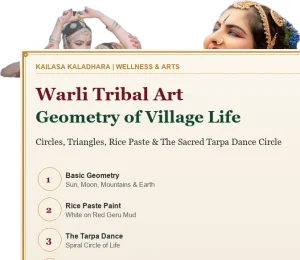
Originating from the Warli tribe in North Maharashtra, these art designs are not just visually captivating but also narrate the daily life, nature, and rituals of the tribe. Created traditionally on mud walls using a mixture of rice paste and water, warli paintings stand out due to their simplistic use of geometric shapes such as circles, triangles, and squares. These shapes symbolize elements of nature: the circle represents the sun and moon, the triangle depicts mountains and trees, and the square frames ritual spaces.
One of the most compelling aspects of warli art designs is their ability to communicate stories without using complex tools or colors. The minimalist style used by artists like Jivya Soma Mashe, considered the father of the modern Warli art movement, has given this tribal art worldwide appeal and recognition.
How Do Tribal Art Patterns Reflect Local Culture?
Tribal art patterns revealed in Warli paintings serve as valuable documentation of the tribe’s customs and identity. Each motif holds symbolic significance — the depiction of animals, hunting scenes, farming activities, and festivities are common themes.
These indigenous art styles typically emphasize:
- Community Life: Dancing figures in ritualistic celebrations.
- Natural Harmony: Elements like trees, birds, and animals that showcase coexistence.
- Spiritual Beliefs: Artworks representing deities or spiritual practices.
The simplicity of these tribal patterns contrasts strongly against the complexity of meaning they carry, making warli art a fascinating study of culture through artistic expression.
Where Can You See Warli Painting Motifs in Modern Applications?
Warli painting motifs have transcended their traditional confines and are increasingly used in contemporary design, fashion, and interior decor. This revival is not merely aesthetic but serves as a form of cultural preservation and global awareness. For instance, many designers incorporate tribal art patterns into fabric prints and home décor items, blending indigenous art with modern tastes.
In urban art or murals, warli motifs bring an earthy, storytelling charm. The use of raw, monochromatic lines fit well with minimalistic trends seen in global art spaces. Interested readers can discover more artistic expressions and updates by following varied tribal art pattern exhibits and promotions available through modern platforms including cultural showcases.
Can Warli Art Designs Teach Us About Sustainable Creativity?
Absolutely. Warli art designs exemplify sustainability through their use of natural materials and meaningful, functional artwork. The indigenous art styles prioritize harmony with the environment and storytelling over commercial excess. Their creativity is inspired directly by the tribe’s surroundings — a model that can inspire eco-conscious artists and businesses today.
Key aspects that highlight sustainable creativity in warli art include:
- Use of organic materials like rice paste and earthen walls.
- Inspiration from natural phenomena and tribal lifestyles.
- Promotion of cultural heritage and indigenous knowledge.
By embracing such art forms, modern creatives can learn to balance innovation with responsibility.
Which Elements Commonly Appear in Warli Art Designs?
Warli paintings are known for their distinct motifs that offer visual language to the tribal community’s stories. Some recurring elements are:
- The Tarpa Dance: Depictions of communal dances around the tarpa instrument.
- Animals: Understanding their relationship with nature through elephants, tigers, and peacocks.
- Farming Scenes: Illustrations of agricultural practices reflecting daily survival routines.
- Family and Social Unity: Gatherings portrayed through simple stick figures interconnected in harmony.
Recognizing these elements enriches one’s appreciation of how indigenous art styles communicate much more than just form — they tell stories, preserve history, and strengthen identity.
For those eager to explore more about tribal art patterns, it’s rewarding to seek out galleries, workshops, or social media channels that celebrate this heritage.
In conclusion, warli art designs are far more than merely decorative; they are vivid expressions of an ancient culture’s worldview brought alive through simple but profound artistry. For passionate cultural learners or modern artists looking for authenticity and inspiration, understanding these indigenous art styles is invaluable.
To discover deeper insights or connect with ongoing cultural programs, consider reaching out to kailasa kaladhara where you can find more tips, updates, and inspiration around traditional arts and their role today.
FAQs
- What tools are used in warli art designs? Simple brushes made from bamboo and rice paste for painting on mud walls.
- Are warli art designs still practiced today? Yes, they are practiced and promoted to preserve tribal heritage.
- How do warli painting motifs depict nature? Using geometric shapes representing sun, moon, mountains, trees, and animals.
- Can beginners learn tribal art patterns? Absolutely, workshops and online tutorials are widely available.
- Does warli art have symbolic meanings? Yes, each motif carries cultural and spiritual symbolism.