Warli art is more than just an art form; it is a window into the cultural fabric and lifestyle of the Warli tribe from Maharashtra, India. This captivating tribal art has fascinated art lovers, historians, and curious minds for decades. In this article, we will explore key aspects of Warli tribal art, from its origins to its evolving role in contemporary culture, providing insights into its distinct aesthetics and symbolism.
What Makes Warli Painting Unique?
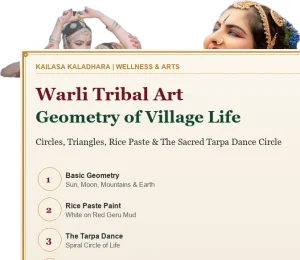
Warli painting is characterized by its simple yet expressive shapes and forms. Traditionally, these paintings are done on mud walls using a white pigment made from rice paste. The primary elements include circles, triangles, and squares that represent nature, humans, and animals. One can immediately recognize a Warli painting by its use of monochromatic white against earthy backgrounds.
The artwork is not just for decoration but serves the tribe as a storytelling and ritualistic tool. For instance, scenes of farming, hunting, dancing, and weddings are common themes that reveal everyday life intertwined with spiritual beliefs.
Where Did Warli Art Originate and Who Created It?
The roots of warli art history trace back over 2,500 years, making it one of the oldest forms of Indian tribal art. The Warli tribe primarily inhabits the North Sahyadri Range in Maharashtra. It was Bhuri Bai, often recognized as a pioneer in popularizing this art form beyond tribal boundaries, who brought significant attention to Warli art during the 20th century.
Historically, Warli painting was a folk expression restricted to women, who created these symbolic drawings as part of rituals during special occasions. The art form was kept alive through generations, maintaining its ritualistic and social significance.
How Has Warli Art Evolved Over Time?
Warli art’s simplicity makes it flexible for various mediums today. Initially confined to village walls, we now see warli painting styles adapted to canvas, textiles, and home décor. This transition has helped artists retain traditional techniques while appealing to global audiences.
Moreover, workshops and exhibitions have played a critical role in keeping warli tribal art alive and evolving by blending traditional narratives with contemporary themes.
What Are the Symbolisms Behind Warli Art?
Symbols in warli art are more than visual motifs; they have profound meanings rooted in nature and tribal beliefs. For example:
- Circles depict the sun and moon, representing survival and the cycle of life.
- Triangles symbolize mountains and trees.
- Human figures arranged in a circular dance indicate community harmony and joyous celebrations.
Each painting is a story—a visual poem that captures everyday events and ritualistic ceremonies with astounding clarity and charm.
What Role Does Warli Art Play in Today’s Cultural Landscape?
Despite its ancient origins, warli art continues to be relevant as both a cultural emblem and an artistic expression. It serves as a bridge linking tribal heritage with modern audiences, enlightening viewers about indigenous lifestyles. Artisans leverage this medium to share their stories in urban galleries and international exhibitions, promoting cultural awareness and economic upliftment.
Recognition from national and international platforms has also encouraged younger generations to learn and preserve this art form, making it a thriving tradition.
Conclusion
Warli art encapsulates the spirit of a tribe through a minimalist yet meaningful art language that has transcended centuries. Its unique combination of tribal lifestyle depiction and artistic expression offers a rare glimpse into an age-old culture. For those interested in exploring more about this fascinating art form and drawing inspiration from it, kailasa kaladhara provides valuable resources, updates, and connections to the rich cultural heritage reflected in these paintings.
FAQs
- What is Warli art made of? The white pigment used in Warli art is primarily made from rice paste mixed with water and gum.
- Who usually creates Warli paintings? Traditionally, Warli paintings are made by women of the Warli tribe.
- Can Warli art be found outside India? Yes, Warli art is exhibited globally and adapted into various art forms worldwide.
- How old is Warli tribal art? It dates back approximately 2,500 years.
- Why are there no bright colors in Warli paintings? Warli art emphasizes simplicity and uses natural, earthy tones with white as the primary color for contrast.