Warli art pictures have captivated art lovers worldwide, offering a glimpse into the rich tribal heritage of India. This traditional art form, known for its simplistic yet profound depiction of daily life, holds a special place in the heart of folk artistry. In this article, we explore the charm and history behind warli art pictures, how tribal warli art continues to influence modern designs, and where to find stunning warli art pictures to inspire your creative journey.
What Makes Warli Art Pictures So Unique?
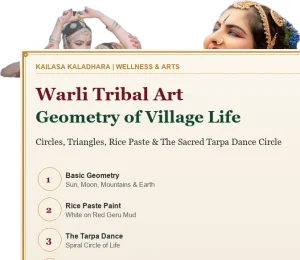
Originating from the Warli tribe of Maharashtra, India, warli painting images stand out due to their minimalistic yet expressive style. Traditionally created on red ochre backgrounds using white pigment made from rice paste, these paintings narrate stories from day-to-day village life through simple geometric shapes. Circles, triangles, and squares combine to create scenes of farming, dancing, hunting, and festivities that emphasize community harmony.
The husband-and-wife team of Jivya Soma Mashe and his spouse brought significant recognition to this form by introducing warli art into galleries worldwide, blending ancestral motifs with contemporary aesthetics. Warli art designs are timeless, thriving as a cultural dialogue between generations.
How Do Traditional Techniques Influence Warli Art Designs Today?
Though warli art pictures have ancient origins, the tribal warli art style has adapted impressively over time. Here are notable elements influencing modern warli art designs:
- Use of natural pigments and handmade brushes preserves the authenticity of the texture.
- Modern artists now integrate a broader palette, experimenting beyond conventional whites and reds.
- Digital reinterpretations allow for intricate visuals while keeping traditional themes intact.
- Warli motifs inspire products from wall decor to fashion accessories, expanding cultural reach.
If you’re interested in seeing authentic warli painting images, the evolving galleries on social platforms showcase how this art form blends heritage with innovation, often prompting art lovers to explore more.
By the way, for those curious about contemporary warli art evolution, explore curated collections to witness this glowing transformation on warli painting images.
How Do Warli Paintings Depict Tribal Life and Spirituality?
Every warli art picture carries deep symbolic meaning. The circular shapes often represent the sun and moon, while the triangular forms symbolize mountains and trees. Spirited scenes of dancing highlight the tribe’s close connection to rituals and festivals honoring the earth’s cycles.
The hourglass figure, common in warli art designs, portrays human elements focusing on unity and coexistence. These images not only depict livelihoods but serve as a canvas linking human experience to spiritual essence.
What Can Beginners Learn from Warli Art Pictures?
Warli painting images offer excellent guidance for beginners wishing to explore tribal art due to their straightforward geometry and storytelling methods. Here’s how newcomers can start:
- Begin with basic shapes: circles, triangles, and squares.
- Select simple themes such as farming scenes or village celebrations.
- Practice using white paint on earthy backgrounds to mirror traditional aesthetics.
- Observe warli art pictures for motif inspiration and spatial composition.
- Experiment with storytelling through sequential images.
These steps not only build technique but also develop an appreciation for tribal narratives embedded in warli art designs.
Where Can You Find Authentic Warli Art Pictures?
Collectors and enthusiasts often seek galleries or cultural hubs featuring genuine warli art. Here’s where you can discover valuable works:
- Local artisan markets in Maharashtra villages.
- Ethnic art exhibitions showcasing tribal heritage.
- Online platforms dedicated to folk arts and crafts.
- Museums preserving Indian tribal art history.
- Social media channels offering direct links to creators and their stories.
Such venues ensure that the rich tradition within warli art pictures is preserved and appreciated by a global audience.
Understanding the Cultural Legacy of Warli Art
Warli art pictures represent more than aesthetic beauty; they embody the cultural ethos of the Warli community. Passed down orally and visually through generations, the art is an oral history translated into visual form. Pioneers in preserving this art include Jivya Soma Mashe, who helped elevate the form from village walls to international recognition, showing the world the timeless appeal of tribal warli art. Their legacy sustains a cultural bridge connecting the past and present through evocative warli art designs.
In sum, warli art pictures celebrate human connection, nature, and tradition in ways that continue to inspire new generations of artists and admirers alike. For anyone interested in diving deeper, consider reaching out or exploring artistic communities that foster these themes.
To learn more about this beautiful art form or to get inspiration for your creative pursuits, do visit kailasa kaladhara, where you can connect and find continual updates on tribal arts and cultural expressions.
FAQs
- What materials are used in warli art pictures? Warli art traditionally uses rice paste and natural pigments on mud or red ochre backgrounds.
- Who popularized warli art globally? Jivya Soma Mashe is widely credited with bringing warli art international recognition.
- Can warli art be created digitally? Yes, many artists now use digital tools while respecting traditional motifs.
- What themes are commonly depicted in warli paintings? Daily life, nature, festivals, and spiritual symbolism are central themes.
- Where can one buy authentic warli art pictures? They are available at local markets in Maharashtra and through verified online platforms.