Warli art is a mesmerizing form of tribal expression from India that vividly depicts everyday life and culture using simple yet captivating visuals. In this blog, we will dive deep into warli art images, exploring their unique features, traditional warli art patterns, and how these art forms are making their way into modern designs. Whether you are a fan of tribal warli paintings or just discovering this beautiful art style, this guide has something insightful for everyone.
The Origins and Significance of Warli Art Images
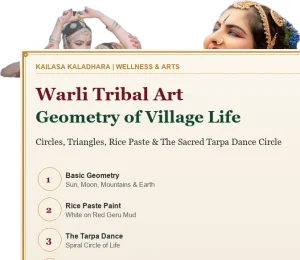
Warli art originated from the Warli tribe of Maharashtra, India, and is one of the oldest tribal art forms. Created primarily by women, these paintings serve as a narrative medium to showcase daily activities, social events, and spiritual beliefs. Warli art images typically feature simplistic human and animal figures drawn using geometric shapes like circles, triangles, and squares, symbolizing the harmony between humans and nature.
This art form uses a unique earthy color palette, primarily white pigment made from rice flour contrasting against dark backgrounds, reflecting the raw and rustic lifestyle of the tribal communities. The simplicity and profound symbolism make tribal warli paintings a powerful storytelling tool that resonates even today.
Distinctive Warli Art Patterns and Their Meanings
Warli art patterns are known for their repetitive, rhythmic structures which make the compositions visually mesmerizing. These patterns often surround a central theme, such as a harvest or a wedding, illustrating the community’s connection to rituals and seasons.
Common warli art patterns include:
- Spiral motifs: Representing cycles of life or nature’s continuity.
- Concentric circles: Symbolizing unity and social gatherings.
- Human figures in dancing formations: Celebrating festivities and community joy.
- Animals and trees: Depicting the dependence on and reverence for nature.
Each pattern is more than just decoration; it serves to express collective identity and beliefs. The use of negative space and symmetry adds a sense of balance, revealing the tribe’s philosophical worldview.
The Evolution of Warli Art Designs in Modern Times
While traditional tribal warli paintings were mostly seen on mud walls of homes, the art has gracefully transcended its origins and found new life on different mediums. Today, warli art designs appear on canvas, fabrics, ceramics, and digital platforms, making it accessible to a broader audience.
Artists and designers incorporate warli patterns in modern décor and fashion, blending tradition with contemporary aesthetics. From intricate wall murals in cafés to printed motifs on clothing, warli art continues to inspire creativity worldwide.
For those interested in learning or enhancing their skills, numerous resources and workshops on warli paintings are available, helping enthusiasts understand techniques and symbolism deeply.
How to Appreciate and Use Warli Art Images in Your Space
If you’re looking to add a touch of culture and authentic charm to your space, warli art images offer a unique choice. Here are some ideas to appreciate and use these beautiful visuals:
- Wall Art: Large warli murals can transform plain walls into a storytelling canvas full of life and energy.
- Home Decor: Incorporate warli art designs on cushions, pottery, and lampshades for subtle tribal touches.
- Fashion: Wear warli-inspired clothing or accessories to celebrate traditional artistry in everyday life.
- Personal Projects: Use warli patterns in DIY crafts or digital art to unleash your creativity while honoring heritage.
Whether for aesthetic pleasure or cultural appreciation, integrating warli art patterns can add depth and meaning to any environment.
Tips to Identify Authentic Warli Art Images
With the rising popularity, it’s crucial to spot genuine warli art images and avoid imitations. Here are some pointers to consider:
- Material: Traditional warli art uses natural pigments and earthy backgrounds.
- Technique: Figures and patterns are hand-painted with simple tools like bamboo sticks.
- Context: Authentic pieces often portray rural life themes or festival scenes.
- Source: Purchasing from trusted artists or cultural centers ensures authenticity.
By understanding these elements, you can truly appreciate the craftsmanship behind every tribal warli painting.
Conclusion
Exploring the world of warli art images opens up fascinating insights into tribal creativity, cultural symbolism, and artistic evolution. These visually striking tribal warli paintings and patterns not only preserve a rich heritage but also continue to inspire modern art and design enthusiasts globally. For those eager to delve deeper or find authentic warli art designs, reaching out to kailasa kaladhara can be a great step, offering resources, tips, and inspiration. Be sure to visit their Shopping page to explore more about tribal art styles and celebrate this exquisite tradition in your own home.
FAQs on Warli Art Images
- What materials are traditionally used in warli art? Warli art primarily uses rice paste for white pigment on a dark, mud-coated background made from natural elements.
- How do warli paintings express storytelling? They use geometric shapes and figures depicting daily life scenes, festivals, and nature to narrate tribal stories visually.
- Are warli art designs only black and white? Traditional designs are mainly white on earthy backgrounds, but modern interpretations use various colors while maintaining the style.
- Can anyone learn to create warli paintings? Yes, warli paintings are accessible to beginners, and there are workshops and courses available for different skill levels.
- Where can I buy authentic warli art images? Authentic pieces are often sold through cultural centers, tribal artists, or trusted platforms like kailasa kaladhara.