Warli art, with its captivating simplicity and deep cultural significance, is more than just a form of decoration; it is a vibrant narrative of the tribal communities from which it originated. In this blog, we will dive into the Warli Art History, exploring its origins, distinctive styles, and the traditional techniques that have kept this ancient art form alive through generations.
The Origins of Warli Art: A Glimpse into Tribal Life
Originating from the indigenous tribes of the North Sahyadri Range in Maharashtra, India, Warli art serves as a visual diary of the daily lives and beliefs of the Warli tribe. This art form dates back to as early as 2500 BCE, making it one of the oldest surviving forms of tribal art in India. The paintings traditionally adorned the walls of Warli homes, serving both decorative and ritualistic purposes. These artworks depict various themes, from hunting scenes and festivals to agricultural practices and religious events, all rendered in a distinctive style that uses simple geometric shapes to narrate complex stories.
Understanding Warli Tribal Paintings: Symbolism and Style
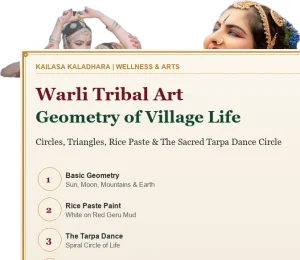
What sets Warli Tribal Paintings apart is their minimalistic yet expressive depiction of human figures and nature. The artists primarily use white pigment made from rice paste, applied to mud walls, which provides a stark contrast enhancing the artwork’s visibility. Triangles, circles, and squares form the basis of all figures, symbolizing natural elements like mountains, trees, and animals. The visual language of Warli paintings is highly symbolic:
- Circles represent the sun and moon.
- Triangles depict mountains and trees.
- Squares indicate sacred enclosures or living spaces.
This symbolism reflects the tribe’s spiritual connection with nature and the cycles of life and death. The dynamic composition of human activities, marriages, dances, and hunting scenes conveys a sense of community and celebration.
Warli Art Techniques: Keeping Traditions Alive
The Warli Art Techniques have been passed down orally and through hands-on practice, maintaining the authenticity of this age-old craft. Traditionally, the preparation of the surface for painting involves a mixture of cow dung and mud to create an earthen background. The pigment, made from rice flour, is then applied using bamboo sticks with chewed tips, which act as brushes for drawing fine lines. The simplicity of tools contrasts with the complexity of the imagery portrayed. Artists work without sketches, relying on memory and improvisation, which adds a spontaneous charm to each piece.
In modern times, these techniques have evolved with the use of paper and canvas, and natural colors supplementing the white pigment, allowing Warli art to reach wider audiences while preserving its core aesthetic.
Warli Art in Contemporary Spaces
Today, Warli Tribal Paintings have gained international recognition and find place not only in tribal homes but also in art galleries and commercial spaces. Designers incorporate Warli motifs into home decor, textiles, and even fashion, celebrating tribal creativity with a contemporary twist. This cross-cultural appreciation provides employment for many tribal artists, helping to sustain their community and art form economically. Furthermore, educational initiatives and workshops promote awareness and provide training to preserve the traditional techniques for future generations.
The Cultural Significance and Future of Warli Art
Warli art is more than just visual storytelling; it is a representation of a community’s cultural heritage, values, and beliefs. It connects generations, fostering a sense of identity and continuity. As the world gravitates toward preserving indigenous cultures, Warli art stands out as a beacon of sustainable art practices, using natural materials and promoting eco-friendly processes.
By understanding the Warli Art History, enthusiasts and art lovers can appreciate the depth and richness embedded in this tribal expression. Whether in its traditional form or evolving contemporary adaptations, Warli art continues to inspire creativity and cultural pride.
For those interested in delving deeper or incorporating this beautiful art form into their lives, companies like Raaga provide access to authentic products and educational resources. Visiting kailasa kaladhara is a great way to explore more about Warli art and support the artisans who keep this remarkable tradition alive.
FAQs about Warli Art History
- What materials are used in traditional Warli art?
The traditional Warli art uses a mixture of cow dung and mud for the background and white rice paste as the pigment, applied with bamboo sticks. - Why are geometric shapes important in Warli paintings?
Geometric shapes like circles, triangles, and squares symbolize natural elements and sacred concepts, forming the basis of Warli artistic expression. - Where can I learn Warli art techniques?
You can learn from workshops and courses offered by organizations focused on tribal art, and online platforms like the ones associated with Raaga. - How has Warli art evolved in contemporary times?
Contemporary Warli art incorporates new materials such as paper and canvas and uses natural colors while maintaining traditional motifs. - Is Warli art commercially available?
Yes, many platforms and brands offer authentic Warli art products, supporting tribal artists and preserving the art form.