If you have ever been fascinated by tribal artistry and its evolving nature, then modern warli art is something you should definitely explore. In this blog, we will dive deep into the world of modern tribal art, focusing on how traditional Warli painting techniques have transformed over time to embrace contemporary styles. You’ll learn about the unique aspects of these paintings, their cultural significance, and how today’s artists are breathing new life into this age-old craft.
Understanding the Roots of Modern Warli Art
Modern warli art is an evolution of the indigenous Warli paintings that originated from the Warli tribes of Maharashtra, India. Traditionally, Warli art was a medium of storytelling, depicting daily life, nature, and social events with simple stick figures and geometric patterns. These artworks were created using natural colors on mud walls, reflecting tribal harmony with the environment.
As modern tribal art gains recognition globally, many artists have started integrating new mediums, themes, and techniques to make it suitable for contemporary spaces. This fusion allows warli art to maintain its authenticity while appealing to a broader audience.
Contemporary Warli Paintings: A Fresh Perspective
The emergence of contemporary warli paintings marks a pivotal moment in the art’s history. Artists are experimenting with colors beyond the traditional white, incorporating vibrant palettes that bring their stories to life in innovative ways. Moreover, the canvases have shifted from walls to fabrics, papers, and even digital platforms, making the art form more versatile.
By blending tradition with modern aesthetics, these paintings often depict current social themes, urban experiences, and environmental concerns, thereby resonating with today’s audiences. They preserve the essence of Warli symbolism, such as spirals, triangles, and circles, while telling new stories.
Exploring Warli Art Techniques: From Past to Present
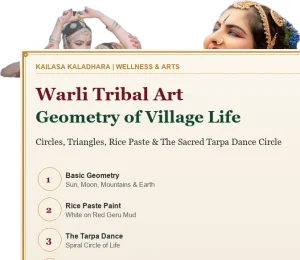
The warli art techniques are fundamental to both traditional and modern forms. The basic method involves using primitive tools like bamboo sticks dipped in natural white pigment made from rice paste. In modern contexts, acrylic paints and brushes are sometimes used to achieve precision and boldness.
Steps commonly followed in both traditional and modern methods include:
- Sketching basic geometric shapes as the foundation.
- Illustrating human figures with stick-like forms connected by circles to symbolize joints.
- Filling the space with motifs such as animals, trees, and daily activities.
- Ensuring symmetry and rhythmic patterns for visual harmony.
The shift to contemporary methods has also seen the introduction of mixed media, blending Warli with other art styles to create unique masterpieces.
Why Modern Warli Art Matters Today
The significance of modern warli art extends beyond aesthetics. It acts as a bridge between tradition and modernity, encouraging cultural preservation in a rapidly changing world. This art form empowers tribal artists economically and socially by opening markets and platforms previously inaccessible.
Moreover, modern interpretations help educate urban audiences about indigenous lifestyles and ecological wisdom, fostering respect and sustainability. The vibrant display of modern tribal art thus plays a vital role in cultural dialogue and artistic innovation.
How You Can Appreciate and Support Modern Warli Art
There are several ways enthusiasts can engage with and support this evolving art form:
- Attend exhibitions and workshops dedicated to Warli art to learn firsthand about the techniques and symbolism.
- Purchase authentic contemporary warli paintings from credible sources to support tribal artists.
- Enroll in art courses that teach warli painting techniques to better understand the culture and skills involved.
- Follow online platforms and communities promoting modern warli art to stay updated on new trends.
Such engagements not only enrich your knowledge but also contribute to the sustainable growth of tribal art traditions.
Conclusion
Exploring modern warli art reveals a fascinating journey of cultural preservation intertwined with modern creativity. For those who appreciate the blend of history, symbolism, and innovation in art, this contemporary form offers endless inspiration. For more tips, updates, or inspiration, you might want to visit kailasa kaladhara, where the spirit of tribal art comes alive and continues to flourish.
Frequently Asked Questions (FAQs)
- What defines modern warli art compared to traditional warli art? Modern warli art incorporates new materials, colors, and themes while maintaining traditional symbols and techniques.
- Can beginners learn warli art techniques easily? Yes, with practice and some guidance, especially through workshops or online courses, beginners can grasp basic warli painting techniques.
- Is modern warli art commercially available? Absolutely, many contemporary warli paintings are sold in galleries, online stores, and exhibitions supporting tribal artists.
- What tools are used in creating modern warli paintings? Artists use both traditional tools like bamboo sticks and natural pigments, as well as modern brushes and acrylic paints.
- How does modern warli art help tribal communities? It provides economic opportunities, helps preserve their cultural identity, and raises awareness about their traditions globally.