Welcome to the captivating world of Warli Art, an ancient tribal painting tradition that offers a unique glimpse into the lives and culture of the Warli tribe. In this blog, we will dive deep into the origins, techniques, and distinctive motifs that define Warli art painting and understand why this tribal art form continues to charm art enthusiasts worldwide.
Understanding the Origins of Warli Art
Warli art originates from the indigenous Warli tribe residing in Maharashtra, India. This form of expression has been passed down through generations, primarily by women, as a way to narrate everyday life, folklore, and nature. Warli tribal art is particularly celebrated for its simplicity, minimalistic style, and symbolic visual language.
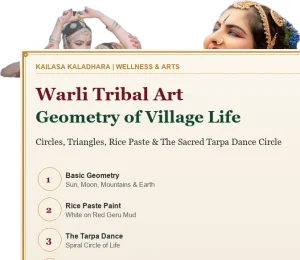
The paintings are traditionally created on walls of huts using a mixture of rice paste and water, applied on a background of red ochre soil. The monochromatic white designs serve as a contrast which makes the episodes vibrant despite their simplistic style.
Diving into Warli Painting Techniques
The uniqueness of Warli painting lies in its techniques, which are straightforward yet deeply symbolic. Artists use basic geometric shapes like circles, triangles, and squares to represent elements of nature and human activities.
- Circles depict celestial bodies such as the sun and moon.
- Triangles represent mountains and trees, inspired by the sharp peaks and conical shapes.
- Squares indicate sacred enclosures or pieces of land.
The artists use a thin bamboo stick dipped into white rice paste to create fine patterns. The use of natural materials and the absence of modern tools make Warli painting techniques a fascinating study in sustainable and traditional art practices.
Exploring Iconic Warli Art Motifs
The motifs in Warli art are more than just decorative elements; they tell stories and convey messages related to nature, rituals, and community values. Some of the most popular Warli art motifs include:
- Human figures: Usually depicted as simple stick figures with triangular torsos, these figures are often shown dancing, farming, or hunting.
- Animals: Depictions of animals like birds, deer, and buffalo are common, symbolizing coexistence with nature.
- Tree of Life: A recurring theme representing fertility, growth, and sustenance.
- Chauk or Chaukat: A square enclosure used as a sacred space for rituals.
These motifs form the core visual vocabulary of Warli tribal art and continue to inspire contemporary artists and designers globally.
The Cultural and Social Significance of Warli Art
Warli art is more than aesthetics; it plays a crucial role in documenting the Warli community’s customs and beliefs. It provides social cohesion during festivals, marriages, and harvest celebrations where artists collectively create murals conveying shared stories and values.
Despite its traditional roots, Warli art has evolved over time, appearing on canvas, textiles, pottery, and modern décor items, making it a living tradition that bridges tribal heritage and modern creativity.
How to Start Creating Your Own Warli Art
If you’re fascinated by this tribal art form, starting your own Warli painting is easier than you think. Here’s a simple guide to help you begin:
- Choose a surface: Start with plain paper or canvas.
- Prepare colors: Traditionally, white paint on a red background is used; acrylic paints work well for beginners.
- Use simple tools: A fine brush or bamboo stick can help mimic the traditional strokes.
- Start drawing basic shapes: Practice circles, triangles, and squares.
- Create scenes: Combine motifs like human figures, animals, and trees to narrate a story.
By experimenting with these elements, you connect with Warli art’s essence and contribute to keeping this tribal art alive.
Conclusion
Warli art painting is a beautiful celebration of tribal heritage, nature, and life’s rhythms portrayed through simple yet powerful visual forms. Learning and appreciating this art form not only enhances cultural awareness but also inspires creativity with its unique motifs and techniques. For those interested in exploring more about Warli art and related arts, kailasa kaladhara offers insightful tips and updates through various resources that can guide you further.
Frequently Asked Questions (FAQs)
- What is Warli art?
Warli art is a traditional tribal art form from Maharashtra, India, characterized by simple white pictorial designs on red ochre backgrounds representing life and nature. - Which materials are used in traditional Warli paintings?
Traditionally, Warli paintings use a mixture of rice paste and water for white designs on a red mud or cow dung wall background. - What are common motifs in Warli tribal art?
Common motifs include geometric shapes, human figures, animals, trees, and sacred enclosures known as Chauk or Chaukat. - Can beginners learn Warli painting techniques easily?
Yes, the use of basic shapes and minimalistic designs makes Warli art accessible for beginners. - Is Warli art only religious or cultural?
While Warli art has cultural and religious significance, today it is also appreciated as a contemporary art form used in various applications.