Welcome to our detailed guide on the arangetram ceremony, a significant milestone in the journey of classical Indian dancers. In this blog, we will explore what an arangetram ceremony entails, its cultural importance, and what makes it a memorable event. Whether you’re a dance enthusiast, a parent, or a curious learner, this post will help you understand the beauty behind this dance graduation ceremony.
Understanding the Arangetram Ceremony
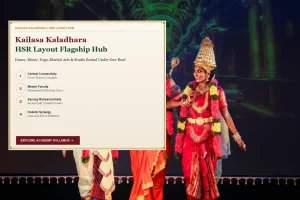
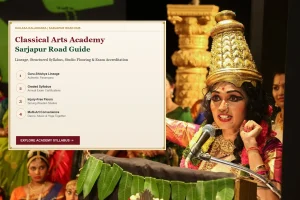
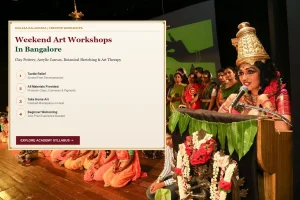
The term arangetram ceremony comes from Tamil, meaning ‘ascending the stage.’ It marks the debut performance of a student who has undergone years of rigorous training in classical dance forms like Bharatanatyam. This ceremony is more than just a recital; it is a rite of passage symbolizing that the student is ready to perform publicly as a professional artist.
Classical dance performances like this are deeply rooted in tradition. The arangetram is a celebration of the dedication, discipline, and artistic evolution that a dancer has achieved, allowing them to confidently showcase their talents. For the audience, it is a unique opportunity to witness the transition of a student from a learner to an accomplished performer.
The Cultural Significance of a Bharatanatyam Debut
Among the various classical dance forms in India, Bharatanatyam is one of the most popular styles for an arangetram ceremony. This debut signifies the culmination of years spent mastering complex movements, expressions, and storytelling techniques integral to the dance.
During the bharatanatyam debut, the dancer performs a well-curated repertoire that typically includes invocations, pure dance pieces, and expressive storytelling to showcase their skill in abhinaya (expression). This performance not only reflects the dancer’s technical skills but also their understanding of the cultural narratives embedded in the dance.
Preparation and Importance of the Dance Graduation Ceremony
Preparing for an arangetram ceremony is a monumental task. It requires:
- Years of disciplined practice under the guidance of a trained guru.
- Mastery over intricate footwork, hand gestures (mudras), and facial expressions.
- Understanding of rhythm and musical beats that complement the performance.
- Emotional and physical endurance to perform on stage before a live audience.
The dance graduation ceremony is often a community celebration involving family, friends, and students of the guru. It acts as a stepping stone that opens doors for more public performances and professional growth within the classical dance arena.
If you are interested in learning more or enrolling in dance courses to prepare for such a debut, check out the bharatanatyam debut courses available for aspiring dancers.
What to Expect During a Classical Dance Performance at the Ceremony
The arangetram ceremony is a richly detailed event with various components, including:
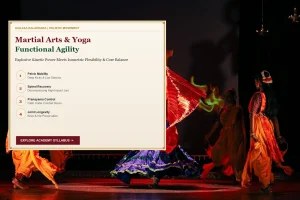
- An elaborate traditional costume and jewelry worn by the dancer.
- A series of classical dance items performed in a structured sequence.
- Musical accompaniment by live instrumentalists providing melody and rhythm.
- Choreographed pieces that highlight the dancer’s skills in natya (dramatic expression) and nritya (interpretative dance).
- A blessing or felicitation by the guru and elders to honor the dancer’s achievement.
Audiences often leave the ceremony feeling inspired by the artistic display and the deep cultural heritage that the dance upholds.
Conclusion: Embracing the Journey with Raaga
The arangetram ceremony is a pivotal moment that celebrates a dancer’s journey through years of training to becoming a performer ready for the stage. For those eager to explore the vibrant world of classical dance or seeking to undertake their own dance graduation ceremony, resources and guidance are essential.
Many aspiring dancers find support and inspiration through the community at kailasa kaladhara, where expert guidance and cultural insights come together to nurture talent. Don’t hesitate to visit their shopping page for more tips, updates, or inspiration for your own dance journey.
FAQs
- What is the significance of an arangetram ceremony?
The arangetram ceremony signifies a dancer’s readiness to perform classical dance publicly after years of training. - Is arangetram only for Bharatanatyam?
No, although it is most commonly associated with Bharatanatyam, other classical Indian dance forms also have their version of arangetram. - How long does the preparation for an arangetram take?
Preparation can take several years, often 5 to 10 years, depending on the student’s dedication and the guru’s training system. - Can beginners attend an arangetram ceremony?
Yes, attending an arangetram is a great way to appreciate and learn about classical dance culture. - What role does the guru play in an arangetram ceremony?
The guru is essential, guiding the student through training and often organizing the ceremony to officially present the dancer to the arts community.